Cambodia’s authoritarian model refined under Hun Manet, report finds
A new analysis argues that Prime Minister Hun Manet has preserved the repressive institutions inherited from his father, using sophisticated statecraft to insulate the regime from Western pressure while aligning closely with Chinese strategic interests.
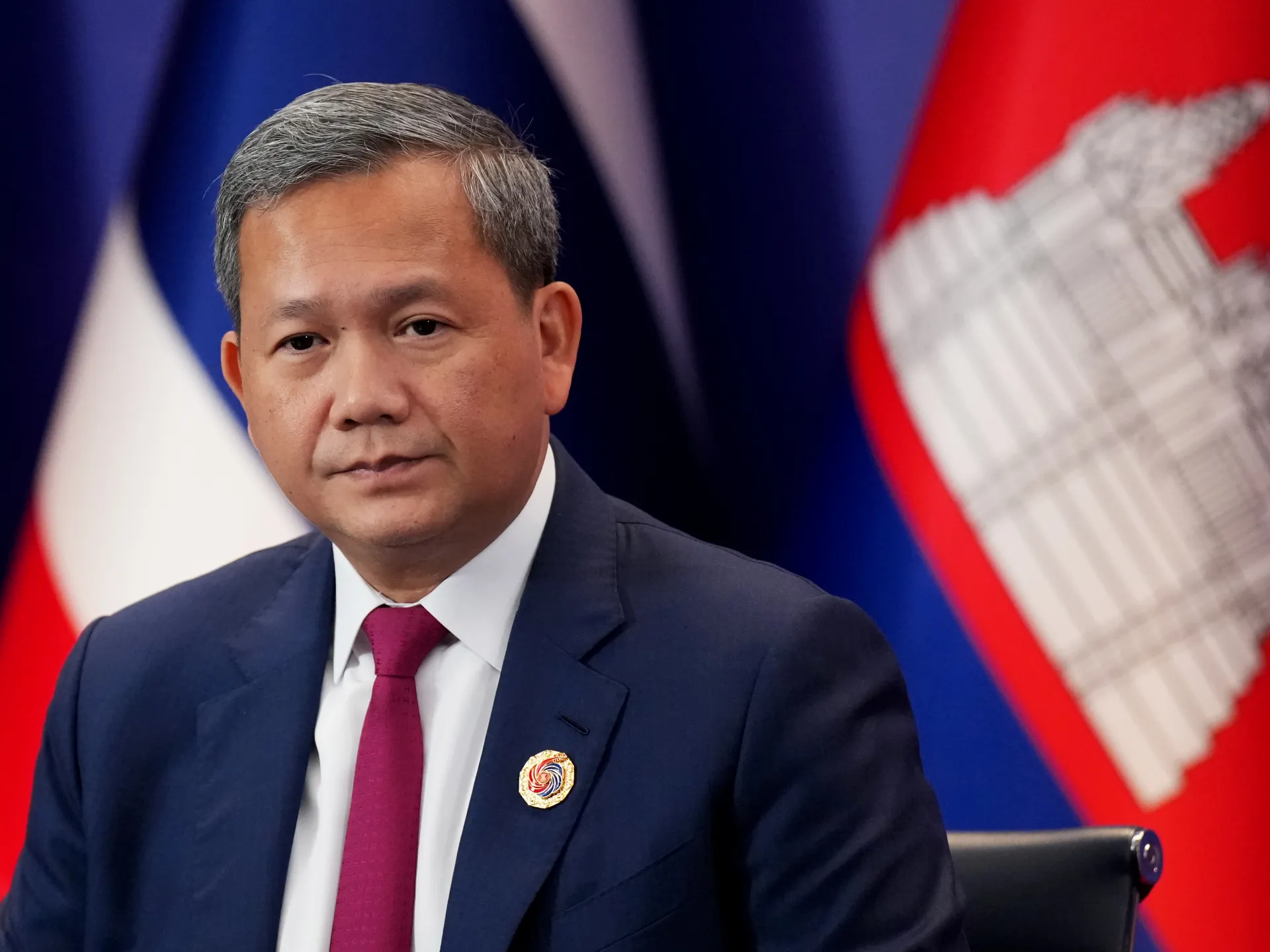
Three years after succeeding his father, Hun Sen, in August 2023, Cambodian Prime Minister Hun Manet has consolidated power by refining the country’s authoritarian model rather than liberalising it. According to a recent analysis published by Al Jazeera, the regime has shifted from conspicuous violence to a more sophisticated system of repression that relies on elite patronage, legal harassment, and digital surveillance. This technocratic upgrade has created a quieter but more resilient authoritarian state, effectively closing off the political space that many international observers had hoped might open under the new leadership.
The crackdown on civil society has intensified, with the judiciary used as a tool to silence dissent. In July 2024, five activists known as the 'Mother Nature’s young leaders'—Ly Chandaravuth, Long Kunthea, Phuon Keoraksmey, Thun Ratha, and Yim Leanghy—were sentenced to between six and eight years in prison. Their convictions for charges including conspiring against the state stemmed from their investigations into environmental destruction and corruption linked to illegal logging and sand-mining operations. They remain in overcrowded provincial prisons, with their appeals delayed indefinitely.
Political opposition and independent journalism face similar persecution. The Nation Power Party and the Candlelight Party have been subjected to routine legal harassment, while veteran labour leader and party adviser Rong Chhun was sentenced to four years in prison in 2025. Although the Supreme Court suspended the remainder of his sentence, it upheld the conviction and barred him from politics for five years. The risks for journalists are severe; environmental reporter Chhoeung Chheng was fatally shot in late 2024 while investigating illegal logging, and investigator Mech Dara was arrested on incitement charges after exposing the country’s role in online fraud networks.
To shield itself from Western pressure regarding these human rights abuses, the regime has deepened its strategic and economic alignment with China. Chinese investors accounted for 54 per cent of Cambodia’s approved investment capital in 2025. Key infrastructure projects, such as the $1.2bn Funan Techo Canal and the Chinese-funded expansion of the Ream Naval Base, underscore Beijing’s growing footprint. While Phnom Penh maintains that the naval facility remains under Cambodian sovereignty, the partnership provides the ruling party with diplomatic backing and security cooperation that are not contingent on democratic reform.
The analysis argues that Western engagement must be recalibrated to reflect this reality. Rather than prioritising diplomatic access, policymakers should tie cooperation to measurable democratic progress, including the release of political prisoners and the dismantling of scam compounds. The author recommends suspending judicial capacity-building programmes that legitimise compromised courts and expanding targeted sanctions against officials and business elites implicated in human rights abuses and the cybercrime economy.