Burnham poised to overturn Labour’s North Sea drilling ban amid policy pivot
Reports indicate Andy Burnham will allow new oil and gas extraction in the North Sea, sparking intense debate between unions, opposition parties, and climate campaigners over energy security and environmental impact.
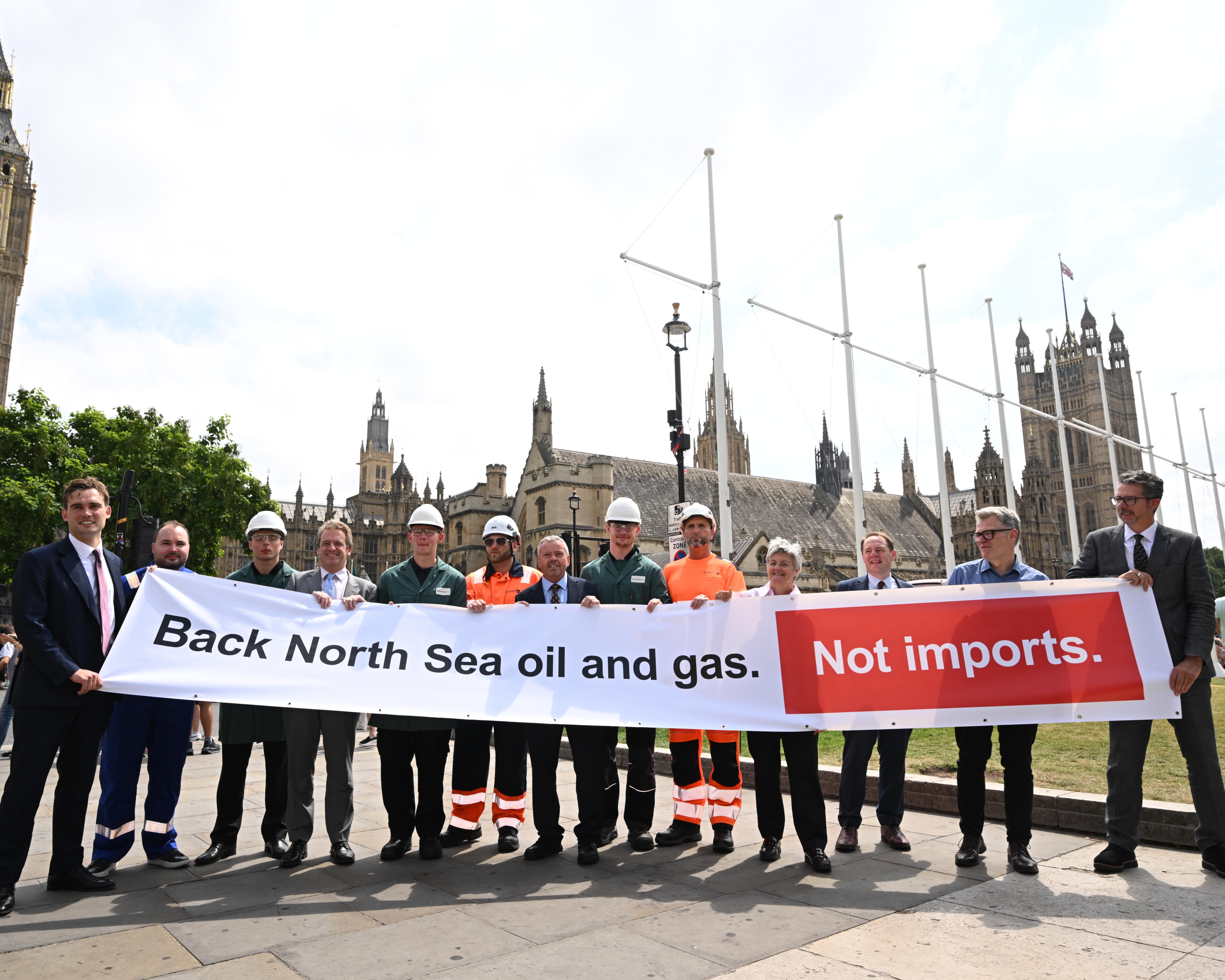
Incoming UK Prime Minister Andy Burnham is expected to reverse Labour’s 2024 manifesto pledge, signalling a significant departure from the party’s previous commitment to honour existing North Sea oil and gas licences while banning new ones. According to reports, Burnham will relax government restrictions on new drilling licences upon assuming office on Monday, a move that places him at odds with the party’s established environmental stance.
The policy shift centres on the Rosebank and Jackdaw sites, located off the north-eastern coast of Scotland. Licences for these projects were initially approved by the previous Conservative government but were overturned by a Scottish court last year, which ruled that the environmental impact of the drilling required further consideration. The potential reinstatement of these licences has ignited a fierce debate within Westminster, with trade unions and some Labour MPs urging Burnham to support the sector. Union officials have reportedly told the incoming prime minister that backing new drilling would send a clear signal that the country remains committed to domestic production, building, and manufacturing.
Opposition parties have seized on the issue, with Conservative leader Kemi Badenoch suggesting that new licences could help alleviate high energy bills. However, this claim is strongly disputed by climate campaigners and Green Party MPs, who argue that new fossil fuel projects will not reduce consumer costs. Green Party MP Adrian Ramsay stated that approving new drilling is the wrong response to the climate crisis, citing recent heatwaves and extreme weather as evidence that the science is clear on the need to halt new fossil fuel projects.
Internal divisions within Labour remain stark on the issue. Energy Secretary Ed Miliband, a close ally of Burnham, has previously described the Rosebank licence as “climate vandalism”. Conversely, some within the party advocate for a shift towards renewable energy, arguing it offers long-term security amid global instability. Former Energy Secretary Claire Coutinho, now shadow energy secretary, admitted in 2023 that new licences “wouldn’t necessarily bring energy bills down” but might improve supply security. This sentiment is echoed by experts such as Greg Jackson, chief executive of Octopus Energy, who notes that the UK’s integration with European and global markets means new North Sea gas licences would have little influence on domestic prices.
The debate over North Sea drilling occurs as Burnham inherits a complex fiscal and policy landscape. Reports indicate he faces immediate challenges, including a defence investment shortfall and inflationary pressures. While Burnham’s team declined to comment on the specific details of the energy proposals on Saturday, the expected reversal marks a critical test of his administration’s ability to balance industrial demands with environmental commitments as he prepares to outline his broader agenda, including plans for public control of energy companies.