Burnham to scrap Starmer’s digital ID scheme in ‘reset of priorities’
Labour leader Andy Burnham is set to cancel the proposed national digital ID cards upon entering Downing Street on Monday, a move described as a strategic shift to address economic pressures and distance the new administration from an unpopular predecessor’s policy.
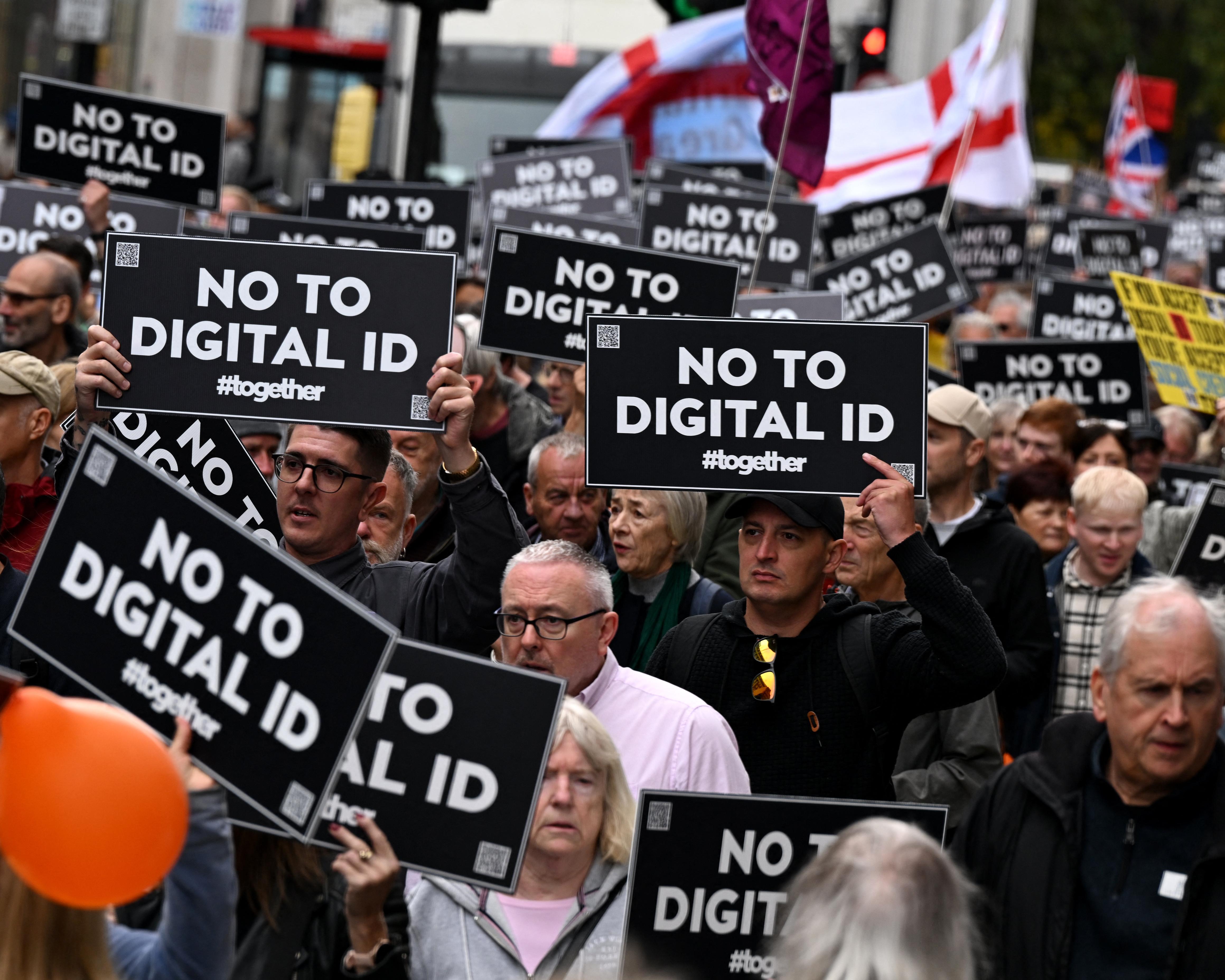
Incoming Prime Minister Andy Burnham is expected to formally cancel Keir Starmer’s proposed digital ID card scheme upon entering Downing Street on Monday. The decision, characterised as a “reset of priorities,” involves reallocating resources previously earmarked for the national identity initiative towards tackling the cost of living. Burnham’s team indicated on Saturday that the move is designed to distance the new Labour government from a policy that faced significant public opposition, including a petition gathering approximately 3 million signatures against the cards.
A spokesperson for Burnham stated that the government’s immediate focus will be on creating “breathing space” for citizens and delivering tangible change in everyday lives. “All the time and resource that was going to be spent on a national ID scheme will go instead to where it’s most needed, such as helping with the cost of living,” the spokesperson said. The administration emphasised a commitment to lifting economic growth in every postcode, framing the cancellation as part of a broader effort to return power to communities rather than hoarding it in Whitehall.
The financial implications of the scrapped scheme remain ambiguous, as Starmer’s government did not provide a clear budget for the initiative. The Office for Budget Responsibility had estimated the project could cost £1.8 billion, though officials previously rejected this figure. Starmer had originally announced the “Brit card” in September last year as a compulsory measure for those needing to prove their right to work, with a planned rollout by 2029. The cards were intended to detail residency status, name, date of birth, nationality, and photographs, aimed at combating illegal working and securing borders.
Despite abolishing the mandatory digital ID cards, right-to-work checks will remain compulsory for all employers. New legislation is expected to extend these verification requirements to the gig economy, specifically covering parcel couriers and delivery drivers. Sources close to Burnham confirmed that the incoming prime minister remains committed to the previous government’s crackdown on illegal working, which resulted in nearly 9,000 arrests in the previous year. This continuity in enforcement contrasts with the abandonment of the centralised digital identity infrastructure.
The cancellation is likely to cause disquiet among technology experts, who are already concerned about proposals to abolish the Department for Science, Innovation and Technology. Burnham has instructed officials to draw up plans to absorb much of the department into a more powerful business department. Critics, including the Open Rights Group and Conservative MP David Davis, had previously warned against creating a “digital surveillance infrastructure,” while Liberal Democrat spokesperson Lisa Smart welcomed the decision as a relief from what they termed an “obscene” waste of taxpayers’ money.