Burnham elected Labour leader, set to succeed Starmer as UK Prime Minister
Andy Burnham’s leadership marks the seventh Labour prime minister in a decade, with a focus on rebalancing power from London to the regions to counter Reform UK’s rise.
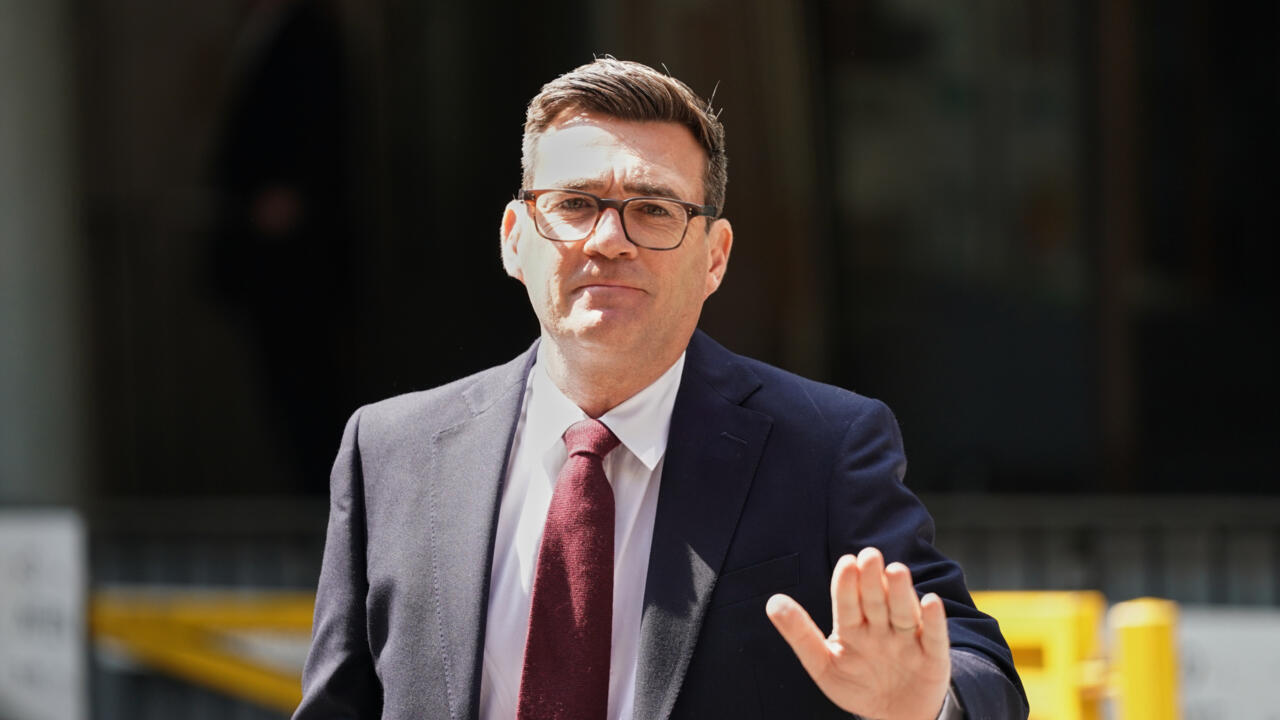
Andy Burnham has been elected leader of the UK Labour Party, securing the final procedural step to succeed Keir Starmer as Prime Minister next Monday. The former mayor of Greater Manchester, widely known as the "King of the North" for his advocacy of regional interests, gained overwhelming support from Labour lawmakers at a special conference on Friday. His appointment marks the seventh Labour prime minister in a decade, following a leadership transition driven by Starmer’s declining popularity across Britain.
Burnham’s platform centres on a significant decentralisation of power from London to the regions, a policy he argues is essential to address inequality and restore hope to "left-behind communities." This strategy is designed to directly counter the growing influence of Nigel Farage’s Reform UK party, which has topped opinion polls for months. Burnham has pledged to oversee the "biggest rebalancing of power" in British governance, aiming to mitigate the regional anger that has fuelled support for the populist opposition.
The shift in leadership was facilitated by Labour lawmakers’ concerns over losing seats to Reform UK at the next general election, which is due by 2029. Burnham’s clear commitment to thwarting the rise of Farage’s party won over the parliamentary party, trade unions, and party branches. Recent reports indicating that Farage accepted funds from wealthy donors have reportedly tarnished Reform UK’s standing, potentially providing Burnham with an opening to revive Labour’s fortunes before the three-year election window closes.
On the national security front, Burnham is expected to retain Jonathan Powell as national security adviser. Powell’s appointment leverages his diplomatic experience and established connections in Washington and Kyiv, signalling a continuity in strategic advisory roles despite the change in premiership. This retention suggests an emphasis on maintaining established diplomatic channels as Burnham prepares to assume the highest office.
Burnham returned to parliament last month after winning the Makerfield seat, marking the start of a four-week process to install him as prime Minister. He has delivered only one speech since his return, outlining his domestic agenda, with further details on his cabinet team and specific governance approach expected when he officially replaces Starmer on Monday. The transition leaves the new Prime Minister with immediate pressure to begin implementing long-term pledges against a backdrop of a competitive political landscape.