Burnham assumes UK premiership amid diplomatic recalibration
The new prime minister faces immediate pressure to redefine Britain’s international posture, balancing relations with Washington against a harder line on Israel while navigating uncertain ties with the European Union.
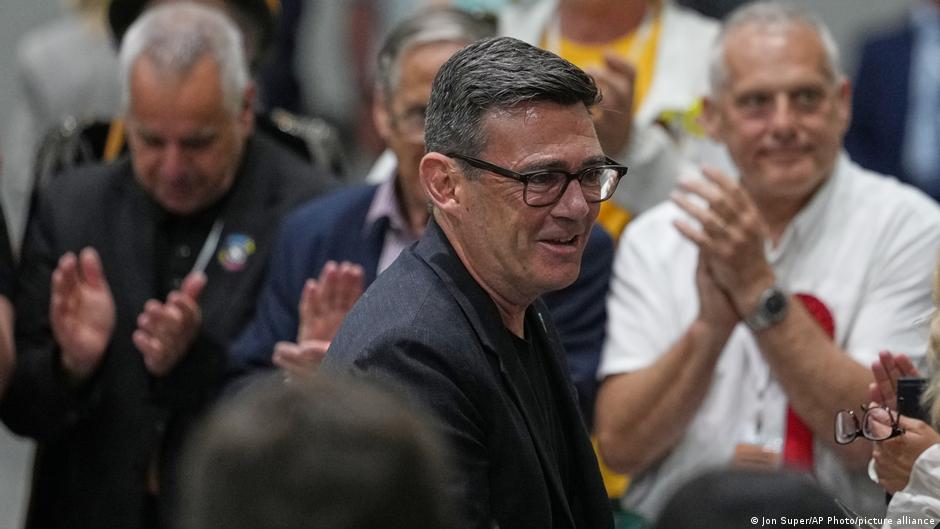
Andy Burnham is set to succeed Keir Starmer as prime minister of the United Kingdom on Monday, July 20, following his selection as Labour Party leader and a recent parliamentary by-election victory. The transition marks a significant shift in governance, moving a politician known for his domestic record in Manchester into the highest office. Burnham, who earned the moniker "King of the North" for delivering economic growth that outpaced the national average and reducing inner-city poverty, now faces the complex task of managing Britain’s global standing.
The appointment comes with immediate diplomatic friction. US President Donald Trump has publicly dismissed Burnham’s stature, stating he does not know him and characterising him merely as the mayor of a small city. Despite this, Burnham is expected to prioritise the maintenance of the Five Eyes intelligence alliance and security cooperation with Washington. Mihir Sharma of the London-based Institute for Public Policy Research noted that the United States remains an indispensable partner for Britain’s service-based economy and security, suggesting that an open conflict with the Trump administration would carry significant risks.
On the Middle East, Burnham is signalling a departure from previous policies. He has pledged to increase pressure on the Israeli government regarding the conflict in Gaza, including the imposition of tougher sanctions and a ban on trade in goods from illegal settlements. Burnham has also apologised for Britain’s initial support of Israel’s military campaign. These moves are intended to redefine Britain’s moral and diplomatic position, although they must be balanced against the need to maintain strong transatlantic ties.
Domestically, Labour MPs have backed Burnham’s leadership in an effort to counter the rise of Nigel Farage and the Reform UK party. In terms of national security, Burnham is expected to retain Jonathan Powell as national security adviser. Powell is viewed as a strategic appointment due to his diplomatic experience and established connections in both Washington and Kyiv. Burnham has also reaffirmed Britain’s commitment to its nuclear deterrent and its support for Ukraine, linking British security directly to the stability of President Volodymyr Zelenskyy’s government.
Relations with the European Union remain a point of uncertainty. While Burnham has previously expressed a hope that Britain might rejoin the EU within his lifetime, experts suggest he may prioritise other issues. Anand Menon of King’s College London predicts that Burnham will give less priority to a full reset with Brussels due to the political effort required, though closer economic cooperation could emerge if migration levels remain low. Meanwhile, it remains unclear whether Burnham will appoint a new foreign secretary or retain Yvette Cooper in the post.