Burnham announces 20% business rates cut for English pubs and venues
The new prime minister’s policy, effective April 2027, saves hospitality firms £1,100 annually but faces criticism over funding and scope.
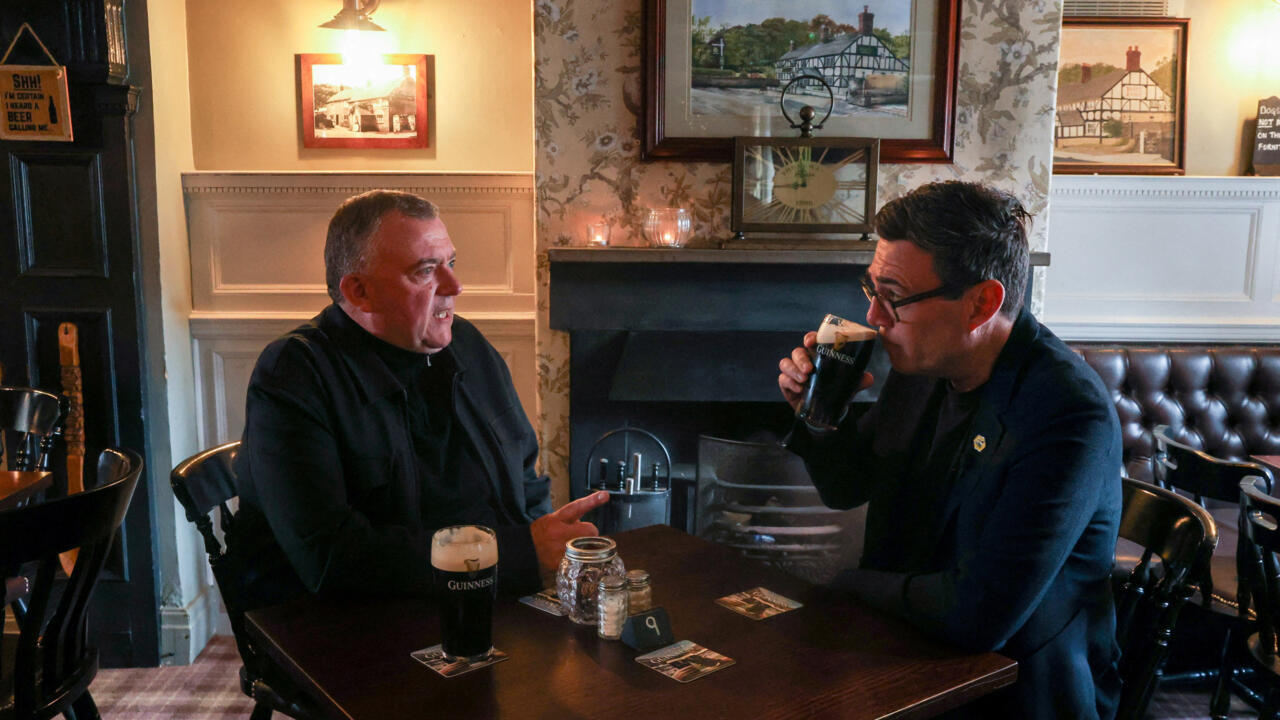
British Prime Minister Andy Burnham has announced a 20 per cent reduction in business rates for pubs, clubs, and live music venues in England, marking his third major cost-of-living intervention in three days. The policy, scheduled to take effect in April 2027, is projected to save approximately 32,000 hospitality businesses around £1,100 annually. Burnham, who assumed office on Monday following the ousting of Keir Starmer, described the measure as a vital step to support struggling high streets and reverse the trend of venue closures.
The announcement was made during a visit to a pub in Harlow, east of London. Burnham stated that the government was sending a clear signal to the sector, telling broadcasters, "We're losing pubs. Pubs need to know that the cavalry is coming." The move follows recent decisions to cap bus fares and remove value added tax on household electricity, part of a broader strategy to revive the economy and address the cost-of-living crisis.
Funding for the £100 million annual cost of the cut will be derived from reduced tax relief for vape shops and gambling arcades. Burnham justified the shift in fiscal policy by arguing that adult gaming centres and vape shops often cause social harm and do not contribute significantly to community life. He emphasised that businesses causing such harm would be treated differently from those supporting local communities.
Reaction from industry leaders was cautiously optimistic but highlighted the need for more comprehensive reform. Ian Hoskins, owner of the Ma Pub Group, welcomed the announcement but characterised it as a "drop in the ocean," calling for broader business rates reform and increased consumer disposable income. Mark Davy, chief executive of the Music Venue Trust, described the policy as an "encouraging first step," noting that pubs are currently closing at a rate of approximately one per day due to rising energy and labour costs.
The opposition Conservative Party criticised the policy as unfunded. Tory minister Matt Vickers pointed out that Labour had previously removed a 75 per cent reduction in business rates for leisure and hospitality businesses. He argued that Burnham was effectively returning only 20 per cent of that previous relief without a clear funding mechanism. Vickers labelled the policy the third unfunded spending commitment in three days, adding pressure on the new administration to demonstrate fiscal responsibility.
In related developments, Burnham announced a pause on a plan for the early release of up to 6,000 prisoners in September. The decision follows public anger regarding two men eligible for release who were involved in the 2019 killing of a police officer. This pause comes as the prime minister faces challenges regarding prison overcrowding and rising support for the Reform UK party ahead of the next general election in 2029.
Meanwhile, a group of 120 UK-based millionaires, including Gary Lineker, signed a "Proud to Pay" letter urging the government to increase taxes on top earners. Organised by the Patriotic Millionaires UK campaign group, the letter claims that higher taxes on the wealthy could raise £24 billion, offering a potential alternative funding source for government initiatives.