Burnham and Macron agree on Channel border measures amid post-Brexit trade friction
New UK Prime Minister Andy Burnham and French President Emmanuel Macron have agreed to deploy a French “surge team” to curb small boat crossings, while navigating complex post-Brexit trade and defence ties.
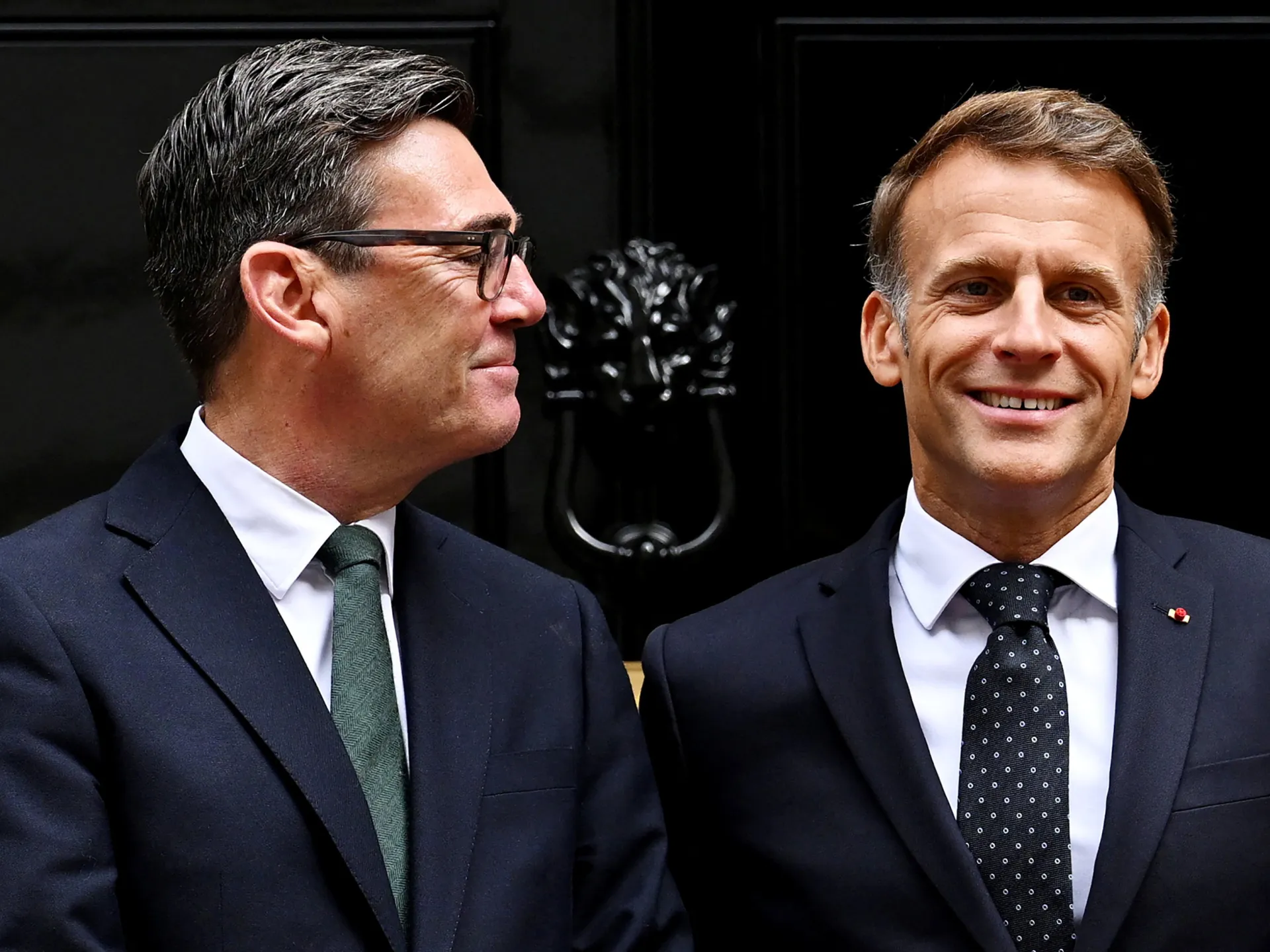
New UK Prime Minister Andy Burnham and French President Emmanuel Macron held their first official bilateral talks in London on Thursday, marking Burnham’s first time hosting a European leader since assuming office on 20 July. The discussions at Downing Street focused on three primary areas of governance: migration across the English Channel, post-Brexit trade relations, and defence cooperation regarding the war in Ukraine.
The immediate policy outcome of the meeting was an agreement for France to deploy a “surge team” of 45 officers to the western beaches of France in the coming weeks. This move builds on a previous deal signed in April to curb unauthorised small boat crossings. The UK government cited the “emerging use of mega dinghies” by migrants and asylum seekers as a key factor in the continued pressure on England’s south coast.
Downing Street reported that the UK has recorded the lowest number of small boat arrivals since 2020. Despite this statistical improvement, the government stated it would continue to target the criminal gangs facilitating the crossings. Burnham noted that the progress seen this summer demonstrated the potential of UK-France cooperation, while Macron described the meeting as a “very important moment” for the bilateral relationship.
Beyond border security, the leaders addressed the economic implications of Brexit. Burnham argued that Britain must be “bolder” in seeking closer ties with the European Union to boost sluggish domestic growth. However, he maintained his predecessor’s position against rejoining the EU single market or customs union, a stance that continues to define the UK’s post-Brexit institutional framework.
Trade tensions emerged regarding the EU’s “Made in Europe” agenda, which aims to protect the steel industries of the 27-nation bloc. A UK government spokesperson indicated that this agenda could pose significant challenges for the struggling UK steel sector, highlighting the friction between European protectionist policies and British industrial interests.
Defence discussions centred on the war in Ukraine, with both leaders reviewing the next steps for establishing local assembly lines in Ukraine for the SCALP long-range missile, which utilises British technology. The talks also reflected on the successful Coalition of the Willing meeting held in Kyiv the previous week, reinforcing the shared strategic interests of the two nations.