Burkina Faso’s Traore declares ‘battle’ against radical Islam as rift with scholars deepens
Captain Ibrahim Traore’s government has moved to suppress dissent from Sunni scholars following the adoption of the Religious Freedoms Law, marking a significant rupture in the political alliance that previously bolstered the military leader’s standing.
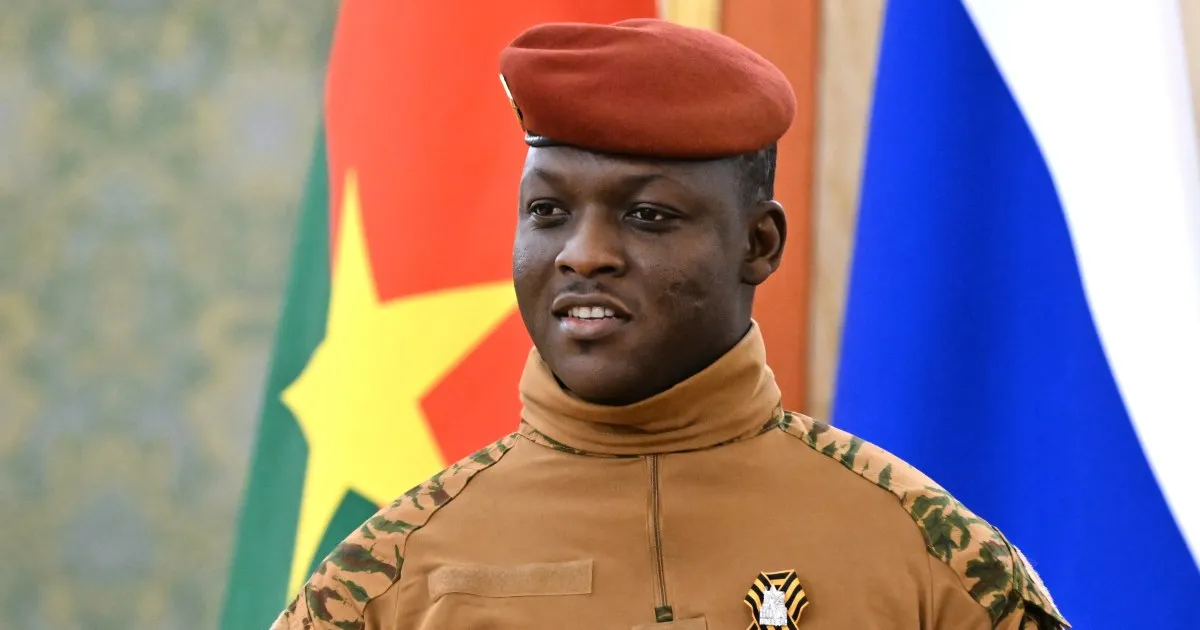
Burkina Faso’s transitional leader, Captain Ibrahim Traore, has escalated a confrontation with influential Muslim scholars, declaring a “battle” against what he terms “radical Islam.” The military government’s hardening stance follows the unanimous adoption of the Religious Freedoms Law on 20 June, which imposes prison terms and fines for practices classified as religious abuses, including forced begging and financial opacity.
The legislative move has triggered the detention of prominent Sunni figures, including Imam Mohamed Ishaq Kindo and Imam Mahmoud Barro, after they criticised the draft bill. Traore accused these scholars of promoting extremism and warned that imams using sermons to spread violent ideologies would face suspension. In a direct challenge to the religious establishment, the transitional leader stated, “If this is your Islam, we will fight it. Extremists must change. If they do not, the battle has begun.”
Tensions peaked during protests demanding Kindo’s release, prompting authorities to close the largest Sunni mosque in the capital, Ouagadougou. Security forces transferred approximately 100 supporters to a military camp for “civic training,” while the Timbuktu Institute reported that Kindo’s whereabouts remain undisclosed. The crackdown signals a breakdown in the tacit understanding between Traore’s administration and the Sunni scholarly class, who had previously provided crucial political legitimacy to the regime.
Beyond domestic arrests, the government has announced plans to recall over 800,000 Burkinabe students studying Islamic law in Arab countries. Traore argued that these students were acquiring religious education without practical professional skills, warning that those who refuse to return could lose their citizenship. This directive follows a late June order requiring prior approval from the Ministry of Higher Education for students seeking to study abroad, aiming to align overseas programmes with national development priorities.
The domestic security push coincides with a shift in foreign policy, as Traore recently received Israel’s new ambassador, Simon Seroussi, in Ouagadougou. The accreditation request, submitted in the summer of 2025, had remained pending before being quietly approved, marking a departure from the caution previously shown by Traore’s inner circle. This move aligns with expanded security cooperation between Israeli agencies and the Alliance of Sahel States, comprising Burkina Faso, Mali, and Niger.
Analysts suggest that by turning against former allies, Traore risks weakening an important source of political support without resolving the underlying security crisis. The government maintains that the Religious Freedoms Law is necessary to reinforce the state’s secular character and counter foreign powers accused of exploiting religion to destabilise the nation. As the fate of detained scholars remains unclear, the government’s efforts to assert control over religious institutions may deepen its confrontation with one of the country’s most influential social forces.