Buenos Aires workshop distributes prints of contentious World Cup banner
A local workshop is providing free reproductions of the ‘The Malvinas are Argentine’ banner, reviving a divisive symbol linked to Argentina’s 2026 World Cup campaign.
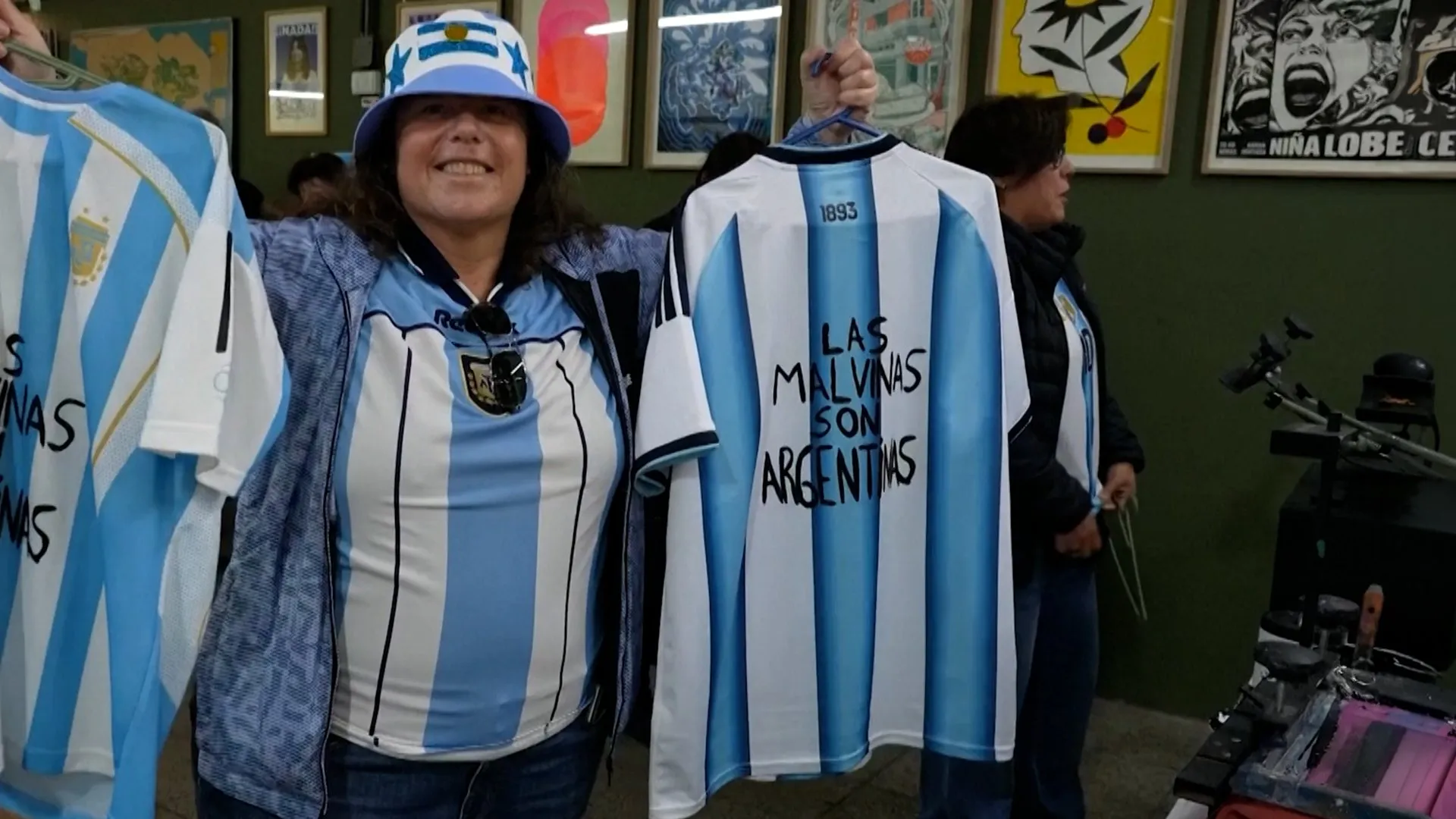
A workshop in Buenos Aires has begun offering fans free prints of a banner reading ‘The Malvinas are Argentine’, recreating a design that has become a focal point of political and cultural debate in Argentina. The initiative revives a symbol associated with the national team’s recent World Cup campaign, distributing the material directly to supporters.
The banner is described as divisive, reflecting the enduring geopolitical dispute between Argentina and the United Kingdom over the Falkland Islands, which are referred to as the Malvinas in Argentina. The distribution of these prints serves as a tangible continuation of the nationalistic sentiment that characterised the team’s run to the tournament final.
This cultural activity follows Argentina’s appearance in the 2026 World Cup final, where they were defeated 1-0 by Spain. The match, which took place in July 2026, saw Ferran Torres score the winning goal in extra time, securing the title for Spain and marking what is widely considered the final World Cup appearance for Lionel Messi.
The workshop’s decision to reproduce the banner highlights the intersection of sport and state policy in Argentina, where football culture often intersects with national sovereignty narratives. By providing the prints at no cost, the local entity is ensuring the continued visibility of a symbol that remains sensitive in international relations.
While the specific identity of the workshop and the scale of the distribution remain unspecified, the act of recreating the banner underscores the persistent role of such imagery in Argentine public life. The move reinforces the connection between the national team’s performance and the broader political discourse surrounding the islands.
The distribution occurs in the aftermath of a tournament that concluded with Spain’s victory, yet the symbolic weight of the Malvinas banner continues to resonate within domestic circles. The initiative demonstrates how sporting events can serve as catalysts for the re-emergence of longstanding political symbols in the public sphere.
As the country processes the conclusion of the World Cup cycle, the availability of these prints suggests that the political dimensions of the team’s campaign remain active. The workshop’s actions provide a mechanism for fans to engage with the geopolitical aspects of the tournament, keeping the dispute visible in everyday cultural practices.