BSF orders investigation into deploying apex predators along India-Bangladesh border
The proposal to utilise natural deterrents in marshy terrain across West Bengal, Tripura, Assam, Meghalaya and Mizoram has drawn sharp criticism from conservationists and human rights advocates
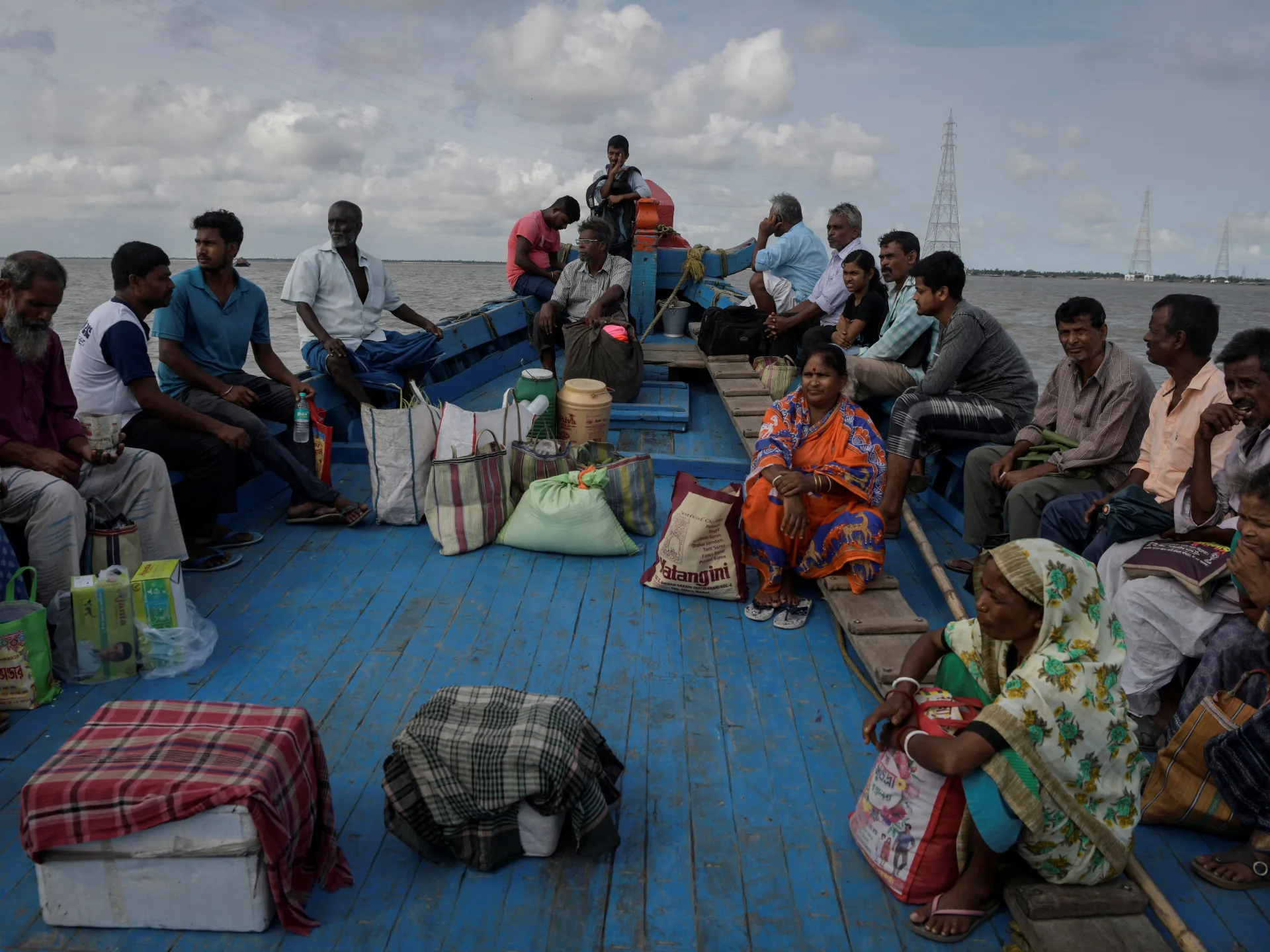
Indian Border Security Force officials have issued an internal directive, dated 26 March, to investigate the feasibility of deploying apex predators as natural deterrents along the India-Bangladesh border. The proposal specifically targets crocodiles and venomous snakes for use in riverine stretches where physical fencing is deemed impossible due to marshy terrain and local habitation.
The initiative aims to address undocumented migration and smuggling in areas across the states of West Bengal, Tripura, Assam, Meghalaya, and Mizoram. In the communication, the BSF ordered personnel on the eastern and northeastern fronts to explore the deployment of reptiles in vulnerable riverine gaps and to report strict compliance and actions taken.
This move has drawn severe criticism from human rights activists and wildlife conservationists, who warn of significant ecological disruption and the potential threat to local communities. Rathin Barman, chief of strategy and liaison at the Wildlife Trust of India, noted that the specific crocodile species proposed are not native to these border riverine stretches, raising fears that introduced animals would die quickly or disrupt the existing ecosystem.
Activists, including Angshuman Choudhury and Harsh Mander, argue the plan constitutes biopolitical violence and dehumanisation, as animals cannot distinguish between citizens and migrants. They highlight that the presence of such predators poses a grave risk to local populations, particularly fishermen, especially during flooding seasons when animals may spread into residential areas.
Critics also point to the broader political context, suggesting the move is an extension of the Indian government's approach to contested citizenship. They argue that the policy conflates undocumented migrants with religious minorities, particularly Bengali Muslims, and relies on extrajudicial methods rather than engaging with Bangladesh's government or following judicial processes.
While the Ministry of Home Affairs noted in a report last year that punishing terrain has slowed fencing installation, the proposed biological barrier remains untested. Barman warned that manipulating the natural distribution range of species is technically not advisable and that the plan would likely never work effectively in an open, flowing river.