BRICS summit tests unity as wars and US tensions dominate New Delhi talks
Leaders from the expanded 11-member grouping are weighing economic cooperation and institutional reform against divisions over conflicts and relations with Washington.
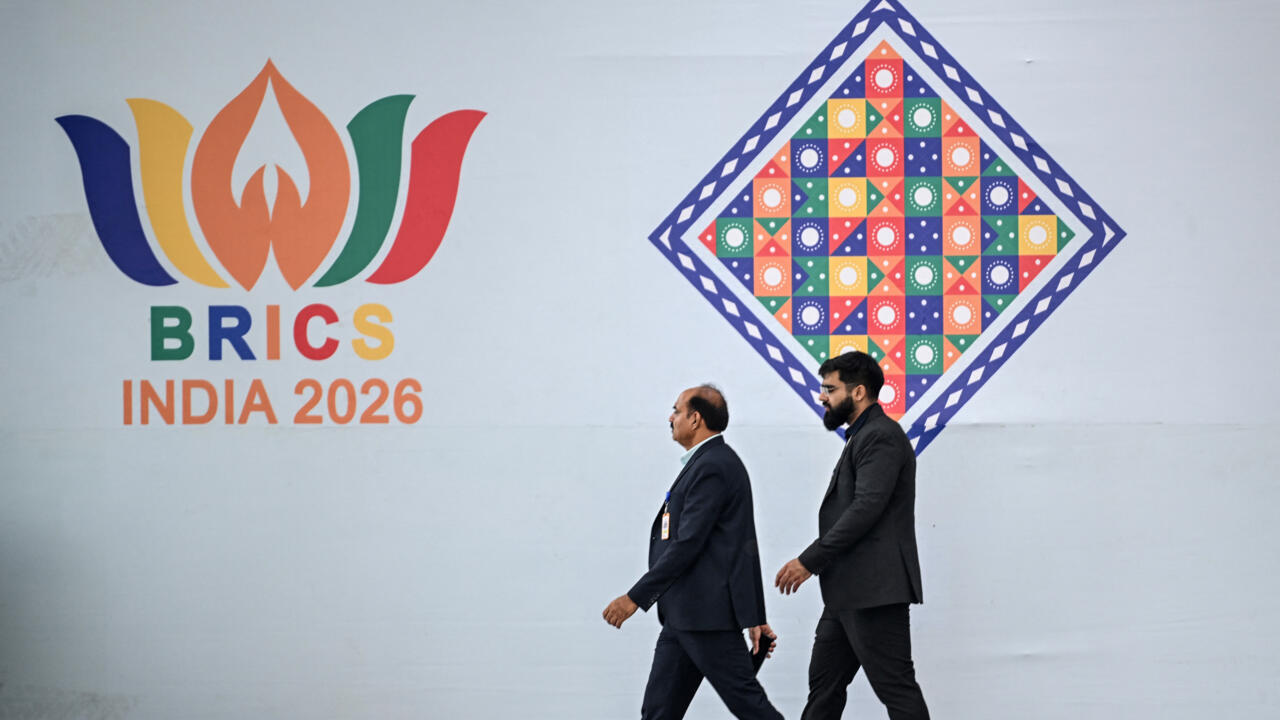
BRICS leaders have gathered in New Delhi for talks on trade, investment, economic cooperation and global conflicts, with wars in Ukraine and the Middle East and rising US-China tensions testing the grouping’s ability to find common ground.
Indian Prime Minister Narendra Modi is hosting Russian President Vladimir Putin, Chinese President Xi Jinping, Iranian President Masoud Pezeshkian and leaders from the other BRICS members. Thousands of police and paramilitary personnel have been deployed in the capital, with traffic restrictions and diversions around the summit.
The agenda is expected to include energy, food security, technology, supply chains and reforms to global institutions. Reducing reliance on the US dollar is also a priority, with members promoting greater use of national currencies and alternatives to Western-dominated financial institutions.
China and Russia see BRICS as a vehicle for reducing Western, particularly US, influence and strengthening cooperation among emerging and developing economies. The grouping has expanded to 11 members and represents about half the world’s population, according to France 24.
For India, the summit reflects an effort to balance longstanding ties with Russia and Iran against closer economic, defence and technology relations with the US and Europe. Modi met Putin and Pezeshkian separately on Friday, while talks with Xi were expected on Saturday as New Delhi pursues a diplomatic thaw with China after border tensions escalated in 2020.
A joint statement will be a key measure of the summit’s success. BRICS foreign ministers failed to agree on one in May over the Iran war, leaving India to issue a chair’s summary. The leaders’ differing positions on conflicts and relations with the US continue to challenge the bloc’s ambitions for a larger role in global affairs.