Brent crude prices surge to four-year high following US blockade signals over Iran
Energy costs climb to levels not seen since the onset of the Ukraine war, driven by geopolitical uncertainty surrounding the ongoing conflict in Iran.
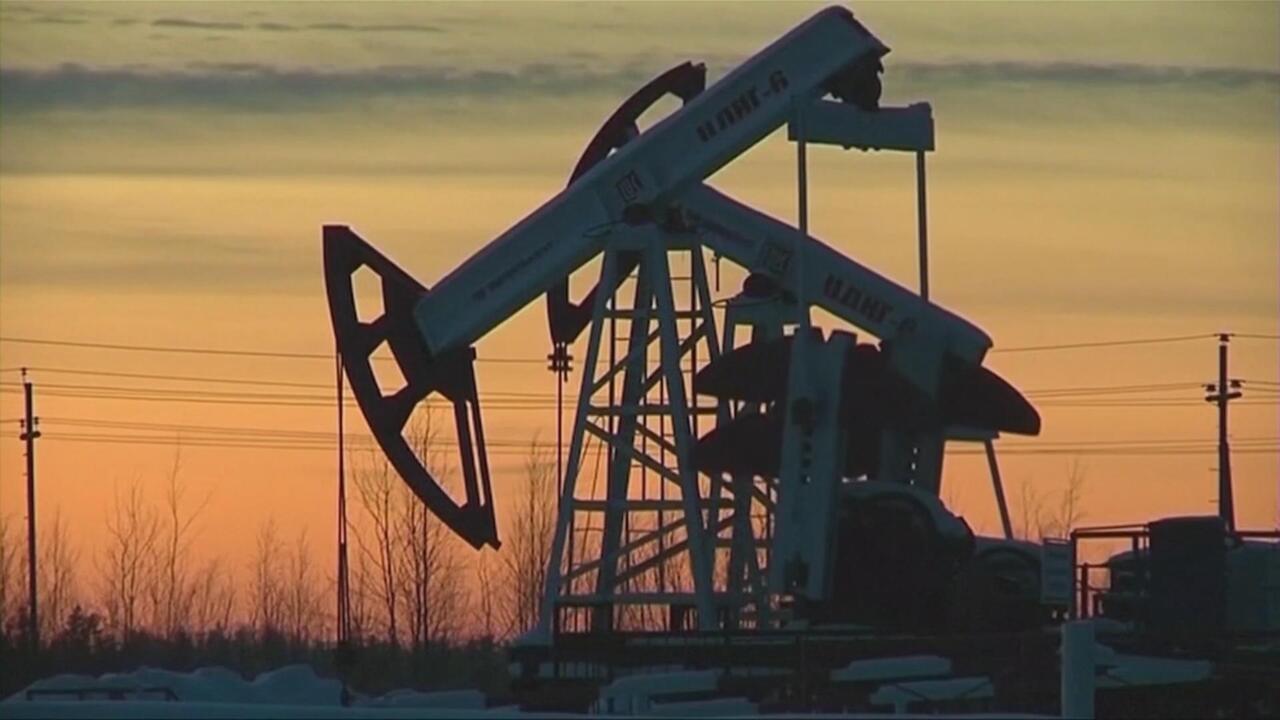
Brent crude oil prices have climbed to their highest point since the beginning of the Ukraine war, marking a four-year peak in global energy costs. This significant market movement follows indications from US President Donald Trump that an American blockade of the Strait of Hormuz may extend for several months due to the continuing conflict in Iran. The Strait remains a critical chokepoint for global energy supplies, and the prospect of prolonged restrictions has sent shockwaves through international markets.
The surge in pricing reflects broader anxieties regarding the stability of regional energy flows. Market participants are reacting to the possibility that the conflict could drag on, threatening the uninterrupted transit of oil through one of the world's most vital maritime routes. Such developments echo previous instances where oil prices spiked to similar highs in 2022, a period characterised by heightened military planning options involving strikes on Iran intended to break diplomatic deadlocks.
Institutional responses to the escalating tensions highlight the fragility of current geopolitical arrangements. While the specific duration of the potential blockade remains an estimate rather than a confirmed timeline, the signal from the White House has been sufficient to alter market expectations. The uncertainty surrounding the extent to which such measures will successfully disrupt global oil flows adds a layer of complexity to the current economic landscape.
Concurrent with these energy market shifts, the wider geopolitical environment remains fraught with instability. Reports indicate that broader tensions are exacerbated by recent security incidents, including a shooting at a White House dinner attended by President Trump. Despite such events, diplomatic protocols continue, with King Charles proceeding with a state visit to the United States to strengthen US-UK relations.
The interplay between these distinct geopolitical threads underscores the intricate nature of modern statecraft. While the King's visit aims to bolster bilateral ties and mark the 250th anniversary of American independence, the shadow of the Iran conflict looms large over the agenda. The juxtaposition of high-level diplomatic engagement with the threat of sustained military posturing illustrates the delicate balance maintained by global powers.
As the situation evolves, the focus remains on the potential long-term impact of the blockade on global energy security. The market's reaction serves as a barometer for the severity of the perceived threat, with prices now reflecting a worst-case scenario of extended supply constraints. Policymakers and analysts alike will be watching closely to determine whether the current signals translate into tangible disruptions to the global energy supply chain.