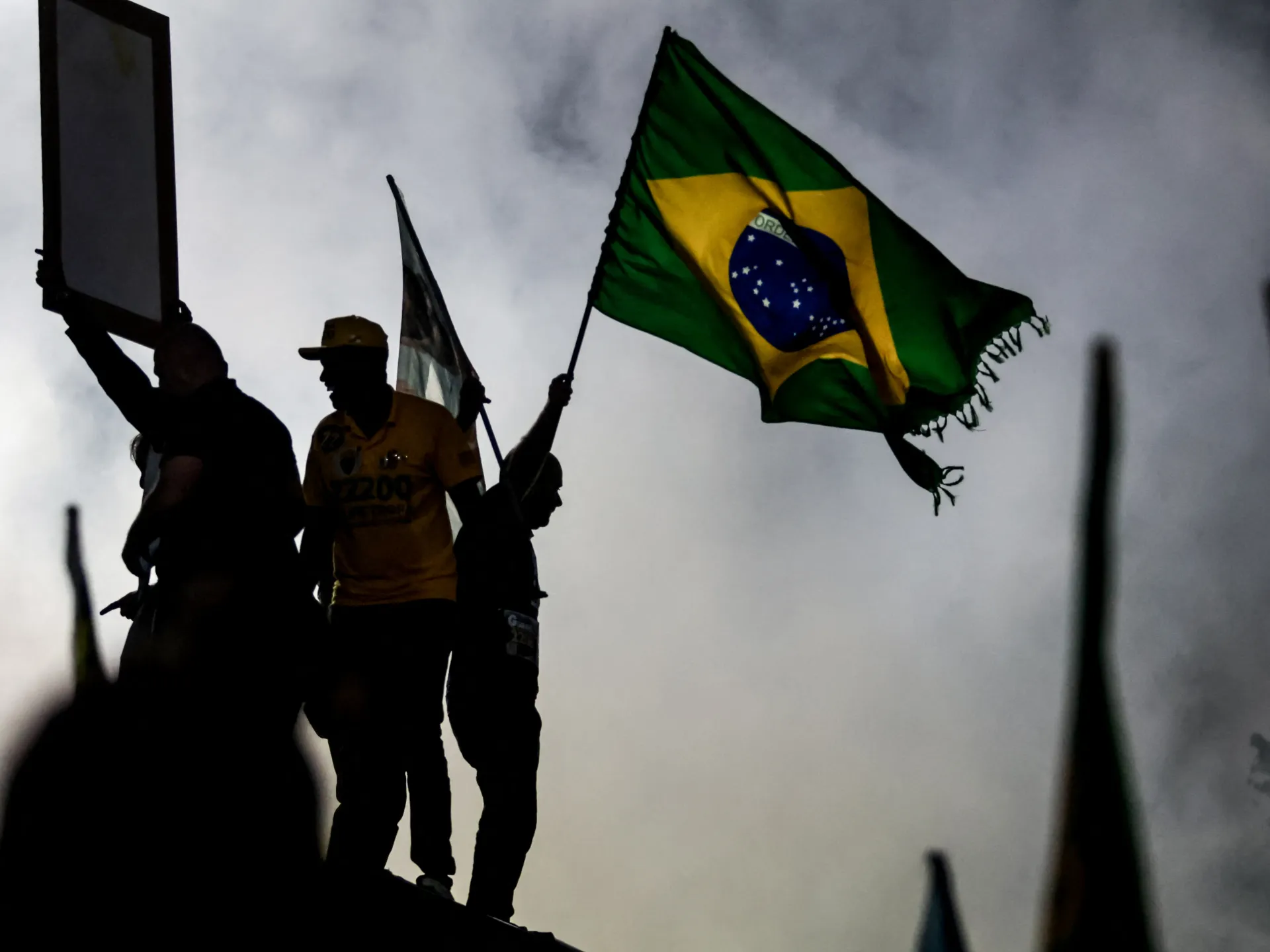
Brazil’s vote tests Lula’s position as the right gains ground in Latin America
Voters choose between incumbent Luiz Inácio Lula da Silva and right-wing challenger Flávio Bolsonaro, with polls pointing to a close contest and a possible run-off on 25 October.
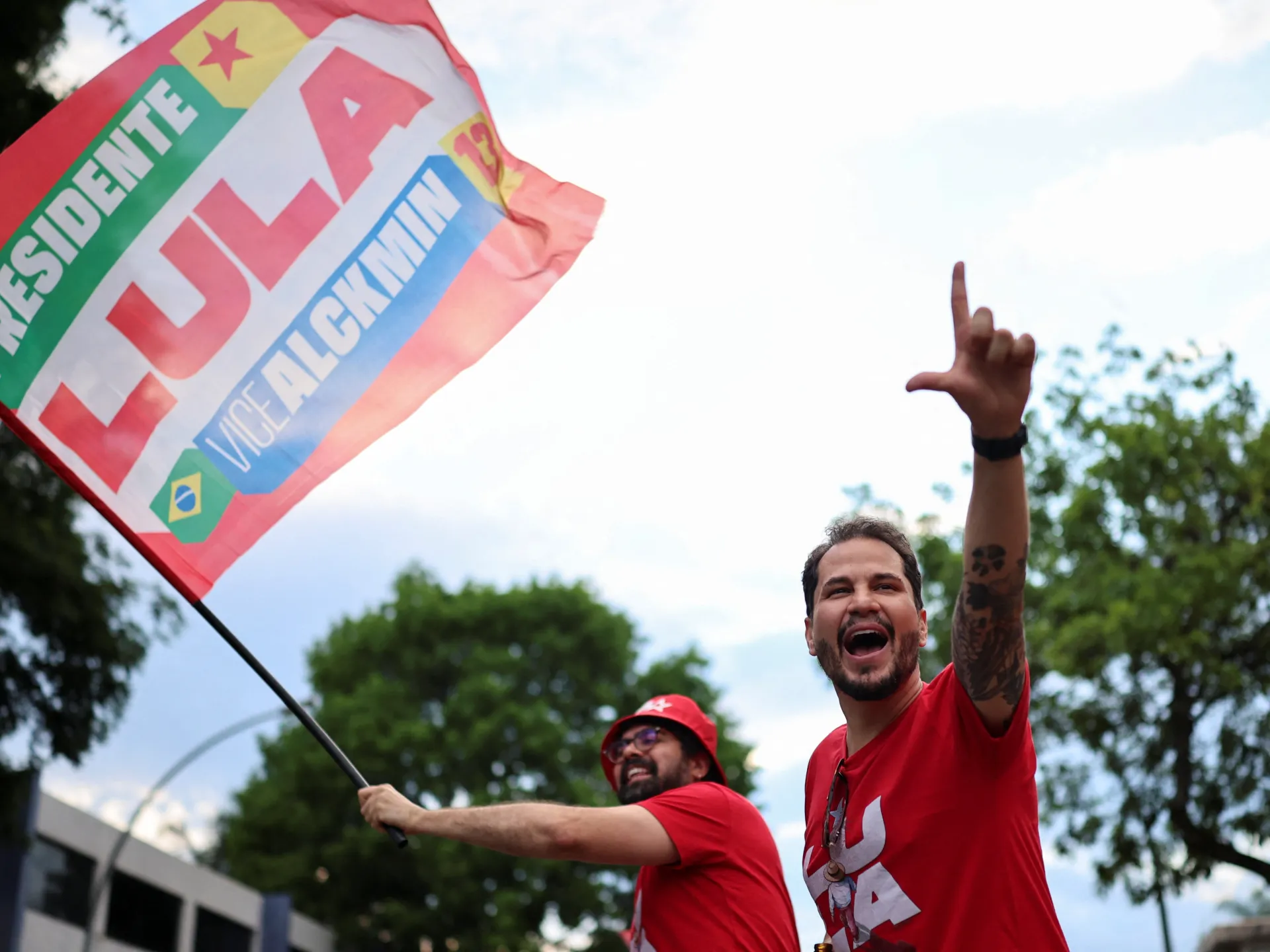
Brazil votes on Sunday in a presidential election that pits incumbent Luiz Inácio Lula da Silva against Flávio Bolsonaro, a senator and the son of jailed former president Jair Bolsonaro. The contest is being watched as a test of whether Brazil will follow recent right-wing electoral gains elsewhere in Latin America.
Lula, who returned to office in 2023 after serving two terms from 2003 to 2011, has campaigned on social programmes and Brazil’s international engagement. Bolsonaro has emphasised crime, inflation and government spending, and has described his father’s conviction as political persecution.
Polls cited by Al Jazeera on Saturday showed Lula narrowly ahead in projected run-offs. CNT/MDA put him at 47.3 per cent against Bolsonaro’s 43.1 per cent; Datafolha recorded 47 per cent to 46 per cent. The surveys were conducted in the days before the vote and do not establish the result.
If no candidate wins more than half of valid votes, the two leading candidates will advance to a run-off scheduled for 25 October. The election takes place amid deep political polarisation and voter frustration over rising living costs.
The campaign has also raised concerns about foreign pressure. Al Jazeera reported that the Trump administration imposed sanctions on Brazilian judicial figures and tariffs on Brazil, while Brazilian officials warned against US interference. The allegations of possible outside interference remain claims attributed to officials and political figures.