Brazil’s presidential race heads to run-off after Bolsonaro leads first round
Flávio Bolsonaro narrowly led Luiz Inácio Lula da Silva, leaving the presidency undecided. Analysts point to economic pressures and changing voter expectations as possible factors in Lula’s weaker support.
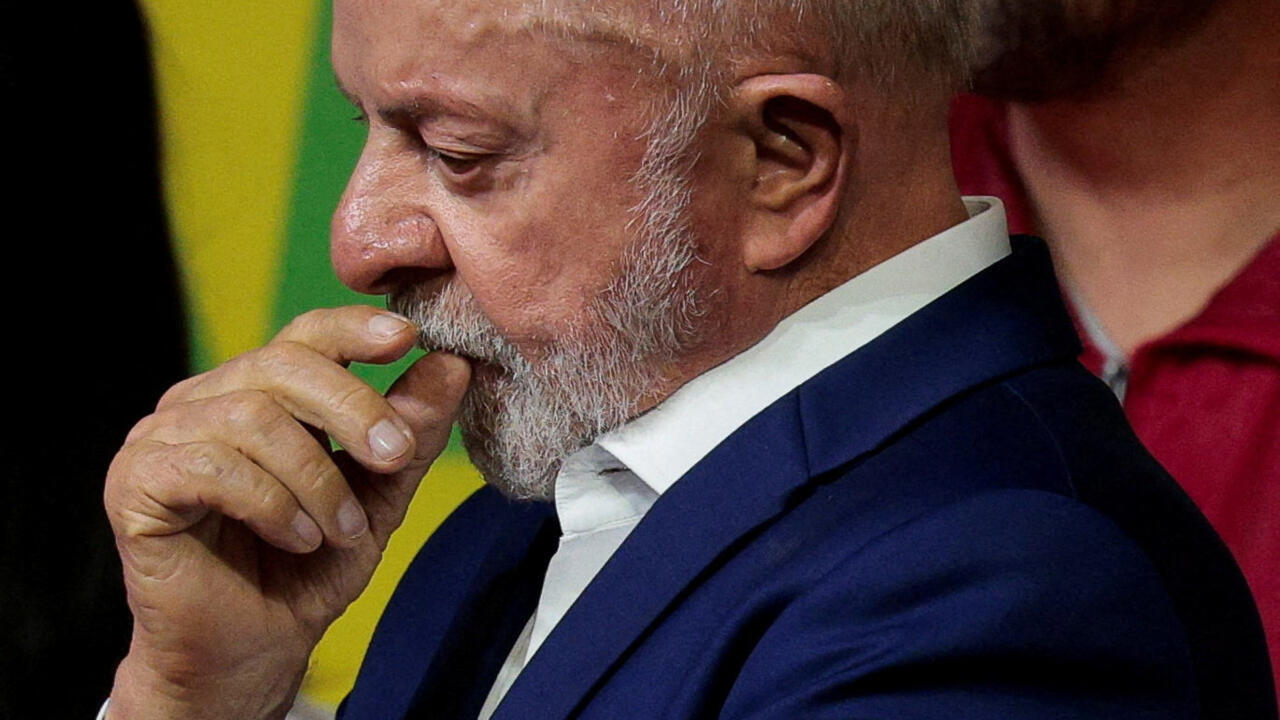
Senator Flávio Bolsonaro narrowly led President Luiz Inácio Lula da Silva in Brazil’s first-round presidential vote on 5 October. Neither secured a majority, and they are scheduled to contest a run-off on 25 October.
The result leaves the presidency undecided. France 24 reports that analysts had linked Lula’s weaker-than-expected support to high prices, household debt and concern about prospects for future prosperity, despite relatively low unemployment and some income growth.
Analysts also suggest that changes partly associated with Lula’s anti-poverty policies may have altered the electorate. A growing lower-middle class may be more drawn to entrepreneurial and market-oriented politics, and less to labour unions, formal employment and social protections.
Flávio Bolsonaro’s anti-establishment appeal and pledges to lower taxes and reduce bureaucracy may resonate with precarious workers in the expanding gig economy, analysts told France 24. These remain interpretations of voter sentiment, not established explanations for the result.
Right-wing parties also made gains in congressional and gubernatorial contests, according to the report. Those outcomes could affect the next president’s ability to govern, while the presidential contest now turns to the run-off.