Event

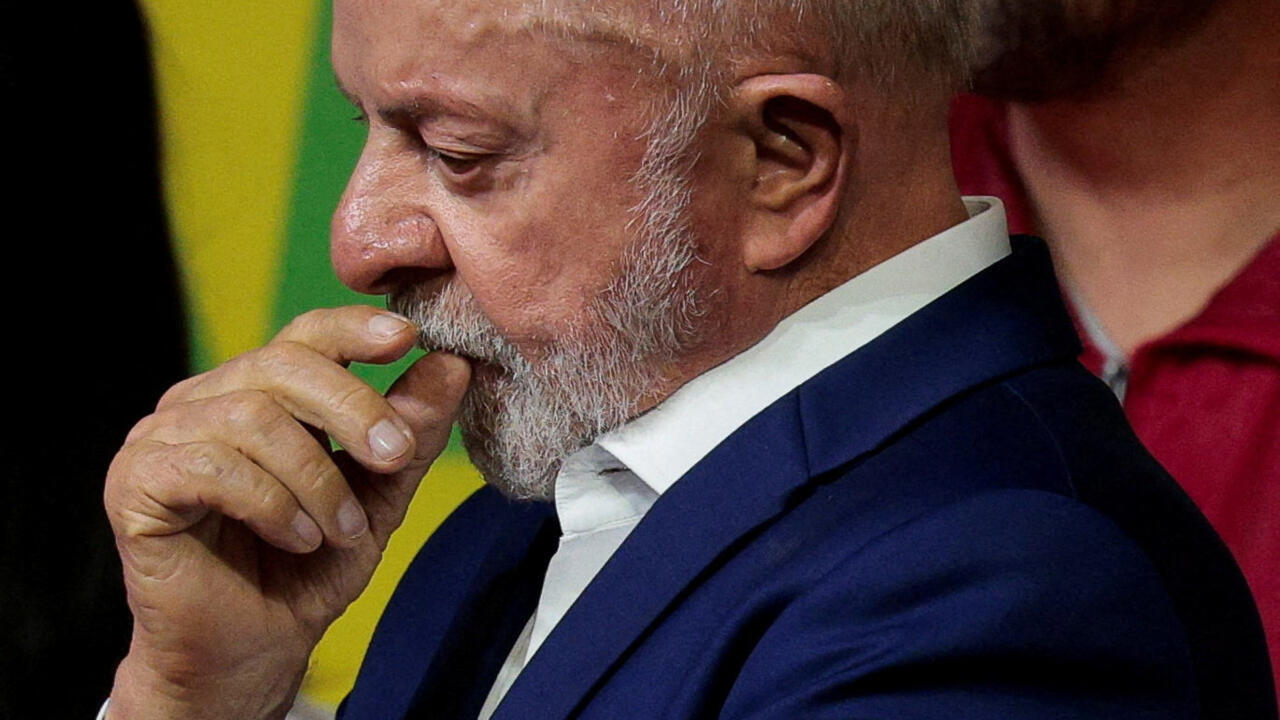
Brazil’s presidential election heads to a run-off between Lula and Flavio Bolsonaro

Far-right Senator Flavio Bolsonaro narrowly led President Luiz Inacio Lula da Silva in Brazil’s first-round presidential election. With neither winning a majority, they will face a run-off on 25 October. Analysts cited economic pressures and a rising lower-middle class’s shift towards market-oriented politics as possible factors in Lula’s loss of support.

3 published stories · security · source reliability 100%

View all events

Background

Why this event matters

Senator Flávio Bolsonaro narrowly led incumbent Luiz Inácio Lula da Silva in Brazil’s 5 October first-round presidential vote. Neither won a majority, leaving the presidency undecided ahead of their scheduled 25 October run-off. Analysts cited cost-of-living pressures, household debt and voter preferences for market-oriented policies as possible explanations for Lula’s weaker support; these are interpretations, not established causes. Right-wing parties also made gains in congressional and gubernatorial contests, according to the retrieved coverage.

event-brief

Brazil’s presidential election heads to a run-off between Lula and Flavio Bolsonaro

Senator Flávio Bolsonaro narrowly led incumbent Luiz Inácio Lula da Silva in Brazil’s 5 October first-round presidential vote. Neither won a majority, leaving the presidency undecided ahead of their scheduled 25 October run-off. Analysts cited cost-of-living pressures, household

Reporting trail
France 24 International | https://www.france24.com/en/americas/20261005-how-lulas-successes-in-brazil-may-have-paved-the-way-for-his-presidential-defeat | published 2026-10-05T15:21:10.000Z | primary sourceFrance 24, “How Lula’s successes in Brazil may have paved the way for his presidential defeat” | Main report; election framing and analysts’ explanations.Retrieved same-event summaries (BBC, Al Jazeera) | Corroborate reported first-round lead and run-off; Al Jazeera notes right-wing congressional gains.Retrieved background cards | Supply vote-share figures and election-process context absent from the France 24 text.BBC World | https://www.bbc.co.uk/news/articles/ck1l34ed592no | published 2026-10-05T03:16:16.000Z | primary sourceBBC World, supplied article | Reports the 99% count, run-off date, party results and campaign context.Event digest | Concisely repeats the lead and run-off details; likely derived from the same reporting.Retrieved context | Adds a same-event summary and historical background, with some older conditional wording.Al Jazeera Global News | https://www.aljazeera.com/news/2026/10/5/brazils-presidential-race-three-key-takeaways-from-the-first-round | published 2026-10-05T01:55:50.000Z | primary sourceAl Jazeera Global News, “Brazil’s presidential race: Three key takeaways from the first round” | Main source for reported vote shares, run-off date, polling context and congressional results.Event digest | Concise summary of run-off qualification, vote shares and right-wing congressional gains.Retrieved context: historical context and background cards | Identifies candidates and wider election scope; earlier reports do not establish the final first-round count.

Fact cards

entity brief

Brazil’s presidential election heads to a run-off between Lula and Flavio Bolsonaro: key people and institutions

Key entities: Brazil, Flavio Bolsonaro, Luiz Inacio Lula da Silva, Flávio Bolsonaro, Luiz Inácio Lula da Silva.

faq brief

Brazil’s presidential election heads to a run-off between Lula and Flavio Bolsonaro: key questions

Who is contesting the run-off? Incumbent President Luiz Inácio Lula da Silva and Senator Flávio Bolsonaro. What were the reported vote shares? With 99% counted, retrieved background material reported 47.03% for Bolsonaro and 45.16% for Lula. Why might Lula have lost support? Anal

source brief

Brazil’s presidential election heads to a run-off between Lula and Flavio Bolsonaro: reporting sources

France 24 International | https://www.france24.com/en/americas/20261005-how-lulas-successes-in-brazil-may-have-paved-the-way-for-his-presidential-defeat | published 2026-10-05T15:21:10.000Z | primary source | France 24, “How Lula’s successes in Brazil may have paved the way for h

timeline brief

Brazil’s presidential election heads to a run-off between Lula and Flavio Bolsonaro: timeline

5 October 2026: Flávio Bolsonaro led Lula in the first-round vote; neither secured a majority. 25 October 2026: Run-off between Bolsonaro and Lula is scheduled.

Timeline

5 October 2026

Flávio Bolsonaro led Lula in the first-round vote; neither secured a majority.

25 October 2026

Run-off between Bolsonaro and Lula is scheduled.

FAQ

Who is contesting the run-off?

Incumbent President Luiz Inácio Lula da Silva and Senator Flávio Bolsonaro.

What were the reported vote shares?

With 99% counted, retrieved background material reported 47.03% for Bolsonaro and 45.16% for Lula.

Why might Lula have lost support?

Analysts cited economic pressures and a possible shift towards market-oriented politics; these explanations are not confirmed causes.

What else was being elected?

Governors, state legislators, all 513 federal lower-house members and 54 senators.

Who is running in the run-off?

Flávio Bolsonaro and incumbent Luiz Inácio Lula da Silva.

What were their reported first-round shares?

Bolsonaro had 47.03% and Lula 45.16% with 99% counted, according to the BBC.

Why is there a run-off?

Neither candidate received more than 50% of the vote.

Who is Flávio Bolsonaro?

He is the son of former president Jair Bolsonaro.

What issues featured in the campaign?

The BBC described sovereignty, crime, the economy and corruption as campaign issues.

Who will contest the run-off?

Flávio Bolsonaro and Luiz Inácio Lula da Silva.

Who led the reported first-round count?

Bolsonaro, with about 47 per cent of valid votes to Lula’s 44.9 per cent, with nearly 99 per cent reported.

What other elections are taking place?

Voters are choosing lawmakers, senators and governors.

Are the vote totals and congressional outcomes final?

The source gives reported vote figures and projected congressional gains, not final certified totals.