Brazil tightens scrutiny as Russian birth tourism accelerates
Stricter residency rules in Argentina have shifted migration flows to Brazil, where authorities are now implementing more rigorous checks in cities with significant Russian populations.
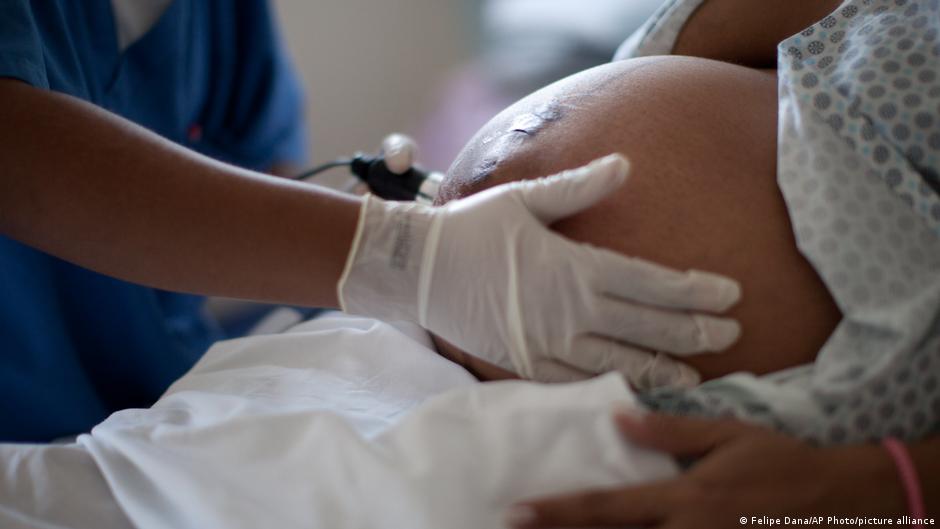
The number of Russian families travelling to Brazil to secure citizenship for their children has risen sharply, a trend driven by geopolitical shifts and regulatory changes in neighbouring Argentina. Since Russia’s full-scale invasion of Ukraine in 2022, migration patterns have evolved, with Brazil emerging as a primary destination for those seeking automatic nationality for newborns.
This shift has been further catalysed by Argentina’s tightening of its residency and healthcare requirements. Previously a popular hub for birth tourism, Argentina now mandates a two-year residency period for citizenship applications and has restricted access to free healthcare for those without permanent residence permits. Consequently, the number of Russians applying for residence permits in Argentina dropped from over 7,000 in 2023 to approximately 1,800 by mid-2025.
In contrast, Brazil has seen a surge in issuance of passports to Russian nationals, with nearly 500 issued in 2024 and more than 600 in the following year. Brazilian citizenship grants visa-free travel to numerous countries, including the Schengen area, a significant advantage for families seeking to avoid costly and time-consuming visa processes. While the Brazilian constitution grants automatic nationality to anyone born on its soil, the country does not explicitly prohibit entry for the purpose of giving birth.
However, local authorities are responding to the influx with increased administrative scrutiny. In Florianópolis, the capital of Santa Catarina state and home to one of Brazil’s largest Russian communities, health records show that 119 Russian women accessed prenatal consultations in the first half of this year, compared to 136 for the entirety of 2025. Lawyers and support organisations report that police are conducting more thorough checks to verify residential addresses, aiming to curb the use of false details previously employed to expedite residence permit applications.
A nascent industry has also developed to support these migrants, with recent Russian immigrants acting as intermediaries to assist with housing, medical care, and complex administrative procedures. Costs for such services can reach thousands of dollars, reflecting the high stakes involved in securing dual nationality. One family, who spent the equivalent of approximately €10,000 during their initial six-week stay in Santos, highlighted the financial commitment required, which included intensive care treatment for their newborn.
Despite the heightened controls, there is no evidence of mass denials of entry to pregnant Russian nationals. Brazilian police have dismissed reports of widespread deportations, noting that entry decisions remain case-by-case and that pregnancy itself is not a determining factor. In one documented instance, a pregnant Russian woman was initially refused entry due to doubts regarding her financial means, but was permitted to enter after legal intervention.