Brazil pivots oil exports to Asia as Iran conflict disrupts Gulf trade
State-owned energy giant capitalises on Strait of Hormuz closure, though experts warn logistical constraints limit its ability to fully replace Middle Eastern supplies.
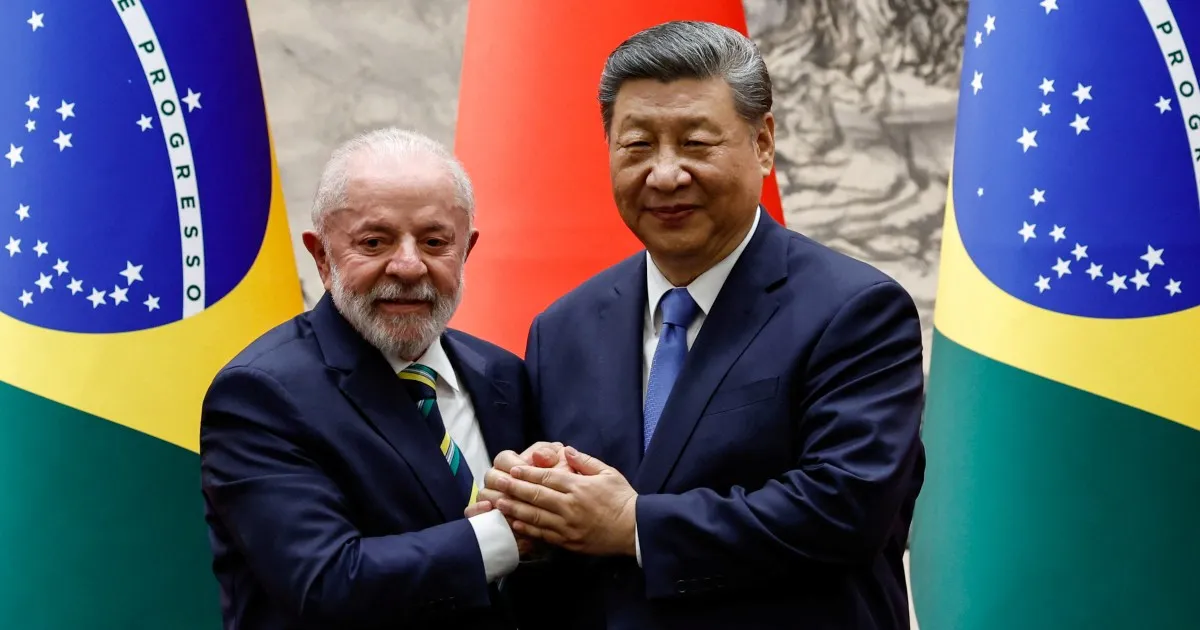
Brazilian crude oil exports to Asia have surged significantly as China and India seek to mitigate supply disruptions caused by the US-Israel conflict with Iran and the subsequent closure of the Strait of Hormuz. According to trade intelligence data from Kpler, Brazilian exports to the region rose from an average of 1.2 million barrels per day in 2025 to approximately 1.8 million barrels per day between January and May 2026. This shift reflects a strategic realignment by Asian refiners prioritising supplies that are not exposed to Gulf shipping risks.
Petrobras, Brazil’s state-controlled oil company, has been the primary vehicle for this redirection. More than 60 per cent of its exports are now destined for China, where imports of Brazilian crude averaged 1.316 million barrels per day in the first five months of 2026, up from roughly 704,000 barrels per day in 2025. In contrast, exports to the United States have reportedly fallen to zero, a stark reversal from the 60,000 barrels per day recorded in March. The economic impact is already visible, with the Brazil-China Business Council reporting that the value of crude exports to China surged by nearly 95 per cent to $7.2 billion in the first quarter of the year.
India has also accelerated its purchases, increasing imports to an average of 238,000 barrels per day between January and May, up from approximately 100,000 barrels per day in 2025. By April, Brazil had become India’s fourth-largest crude supplier. Unlike China, which is pivoting towards electric vehicles, India’s demand is driven by rising domestic fuel consumption and a lack of flexibility to absorb prolonged disruptions through strategic reserves. Foreign Minister Mauro Vieira recently stated that Brazil is ready to contribute to the energy security of Japan, signalling broader diplomatic efforts to deepen energy ties across the region.
Despite the surge in demand, Brazil’s production capacity remains constrained. While output rose from 3.77 million barrels per day in 2025 to an average of 4.06 million barrels per day between January and May, Sumit Ritolia, a market specialist at Kpler, noted that production has increased only marginally by 50,000 to 100,000 barrels per day since March 2026. This indicates limited short-term flexibility to rapidly ramp up supply in response to global disruptions. The primary driver of the export shift is therefore logistical redirection rather than a substantial increase in total volume.
Experts caution that Brazilian medium-sweet crude cannot fully replace Middle Eastern supplies. Shipping distances are significantly longer, with crude transport from Brazil to China taking approximately 50 days, compared to much shorter routes from the Gulf. This increases freight costs and ties up tankers in an already strained market. Furthermore, Russia may emerge as a stronger competitor later in the year as Arctic shipping routes reopen, offering cargoes that can reach China in nearly half the time. Consequently, while Brazil serves as a vital marginal alternative during periods of supply shock, its role as a structural replacement for Gulf oil remains capped by logistical and production realities.