Bottleneck: A new simulation forces players to confront the impossible trade-offs of the Strait of Hormuz crisis
In a simulation running through April 2026, users must choose which of 2,000 stuck ships to release, revealing that even best-case scenarios fall far short of pre-war averages and perpetuating energy shocks and food insecurity.
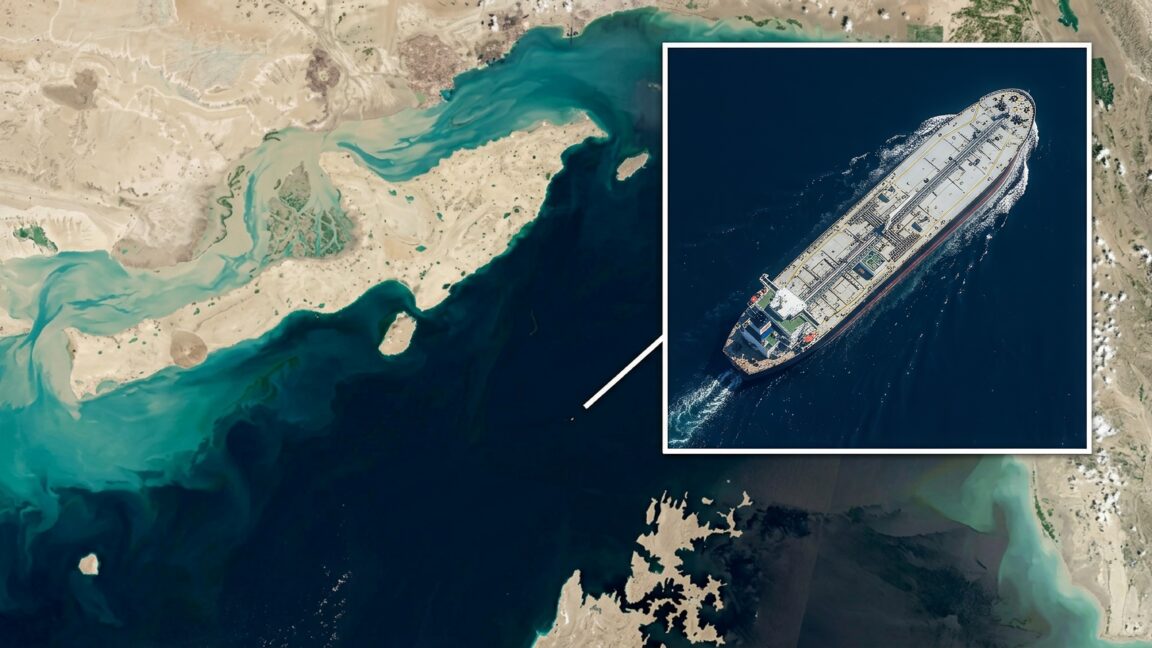
A new browser-based simulation titled Bottleneck challenges players to act as a maritime coordinator during a simulated global crisis blocking the Strait of Hormuz. Developed by journalist and artist Jakub Gornicki, the free game runs between March 3 and April 13, 2026, forcing users to select which of 2,000 stuck ships can pass through the strait on a daily basis. The scenario is built upon real maritime transit data and verified news reports, grounding the fictional decisions in the reality of a geopolitical landscape where Iranian officials have institutionalised control over these strategic waters.
Players must navigate complex trade-offs that mirror actual geopolitical tensions, such as paying Iranian tolls or risking military escalation with Iran or the United States. The simulation requires balancing energy needs against food security, as prioritising crude oil and liquefied natural gas shipments may satisfy US interests but erodes the trust of the United Nations World Food Programme. This body, which prioritises fertilizer shipments to stave off famine, finds itself in direct conflict with factions seeking to keep energy prices in check.
The game explicitly models a scenario where failure to push through enough shipments sparks individual crises involving oil prices, food security, and a countdown to famine in many countries. Even in the best-case scenario within the simulation, where several dozen ships manage to pass over the ten playable days, the transit rates remain a far cry from the pre-war average of 130 ships passing through daily. This inadequacy continues to have daily real-world consequences, including oil price spikes, fertilizer shortages, and water insecurity for Gulf States facing energy-starved desalination plants.
Gornicki constructed the simulation in 17 days using an AI coding tool, which he states was audited and corrected at every step to ensure accuracy. To provide context for the difficult choices, the game incorporates more than 125 verified and linked news articles alongside shipping data from Windward Maritime Intelligence and Lloyd's List. The developer notes that the chokepoint is not a story one reads once and puts down, but a recurring issue that returns every week in fuel prices and food security in places far from any tanker.
The simulation highlights that every option available to the player carries a significant cost, with the game asking what kind of damage is chosen rather than if the crisis can be solved. As the game progresses, each ship approved for transit tends to carry a greater cost or trade-off, leading to dismal endgame results like empty shelves and desalination collapse if too many ships are not sent through. Despite the accessibility of the experience, which can be played in 15 to 20 minutes, the charts and numbers at the end serve as a stark reminder that the real-life Strait of Hormuz crisis is far from over.