Boston Metal secures $75 million to restart Brazilian facility and pivot to critical metals
The Woburn-based developer of molten oxide electrolysis technology plans to resume operations in Brazil by September 2026 while laying the groundwork for a future US chromium production plant.
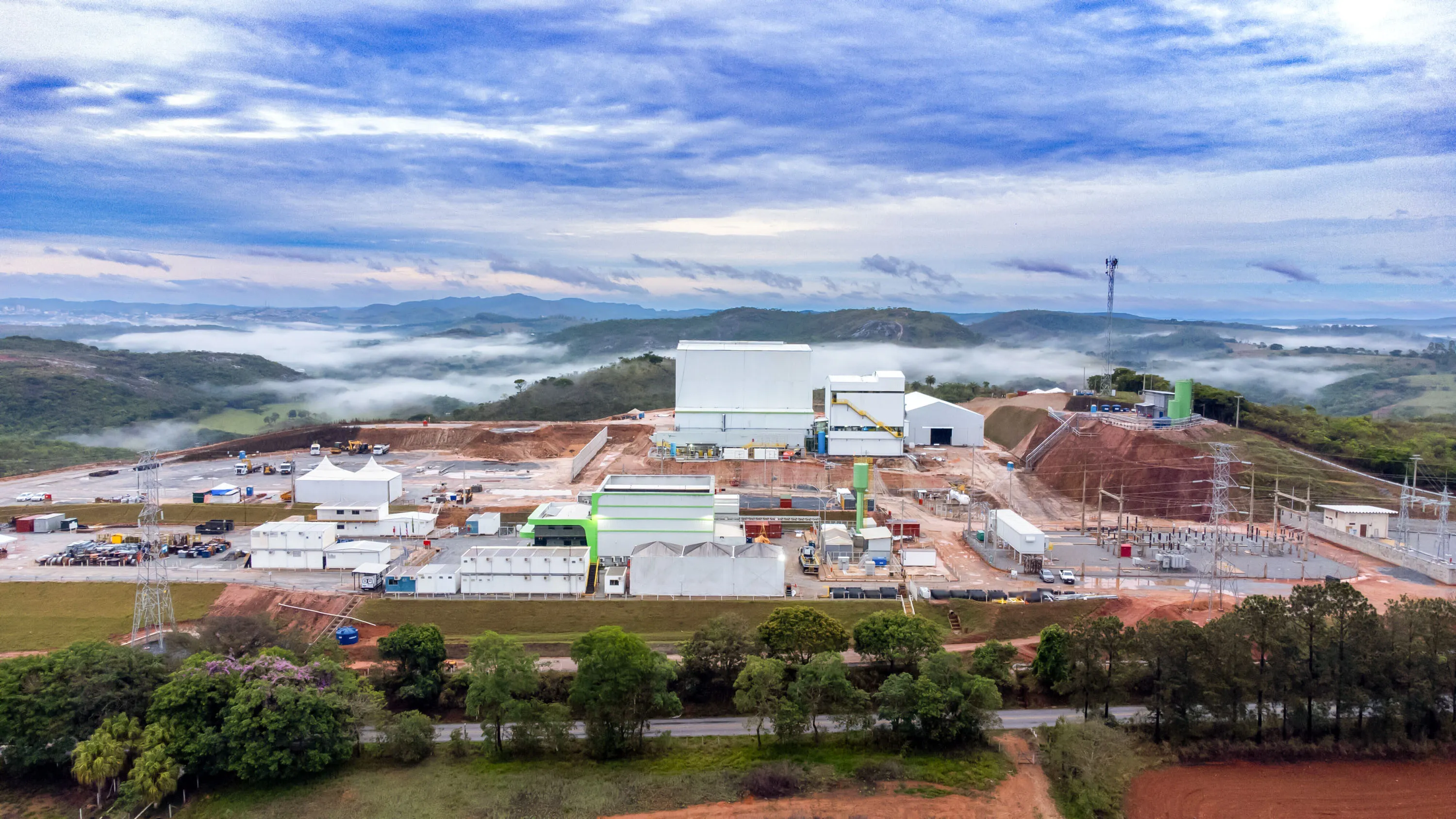
Boston Metal has secured a $75 million funding round to support the production of critical metals, including niobium, tantalum, tin, vanadium, nickel, and chromium. The investment is primarily directed towards its Brazilian subsidiary, Boston Metal do Brazil, aiming to stabilise operations and fund future projects after the company faced significant cash-flow constraints. The latest round includes support from existing investors and Tata Steel Unlimited, bringing the company’s total raised capital to over $500 million.
The funding addresses immediate operational needs following an industrial accident at the Brazilian facility in January 2026. A failure in the plant’s refractory system, which insulates the reactor and prevents corrosion, resulted in an electrolyte leak. The incident forced operators to shut down the system and remove the metal, causing operational delays and missed funding milestones. While there were no injuries or environmental issues reported, the disruption led to the restructuring and layoff of 71 employees in April 2026.
Boston Metal’s core technology, known as molten oxide electrolysis, uses electric current to separate metals from ore dissolved in a molten electrolyte at approximately 1,600 °C. The company has strategically shifted its focus from industrial steel decarbonisation to the production of higher-value critical metals to ensure financial viability amid waning support for industrial decarbonisation in the United States. CEO Tadeu Carneiro noted that producing higher-value metals helps prove the technology without requiring a 'green premium' for steel, a barrier that has historically hindered the adoption of clean steel production methods.
The Brazilian plant, which began construction in 2024, is currently undergoing repairs and is expected to be ready for startup in September 2026. The facility is designed to process low-grade materials into a mixture of critical metals. Niobium, for instance, is utilised in steel alloys, jet engine components, and MRI superconducting magnets, while tantalum is essential for aerospace applications, medical devices, and electronics.
Looking beyond Brazil, Boston Metal intends to eventually deploy a US-based facility to produce chromium, a metal the United States currently imports almost entirely. The strategic pivot allows the company to demonstrate the commercial viability of its molten oxide electrolysis technology through more lucrative markets. Seaver Wang, director of climate and energy at the Breakthrough Institute, observed that this approach creates a sustainable pathway for the company to eventually return to steel production, noting that the industry is reluctant to pay additional costs for decarbonised steel.