Bosnia vote tests divided institutions and EU ambitions
Voters are choosing national and entity leaders as new ballot scanning and biometric checks are introduced, with the election’s impact on EU accession still uncertain.
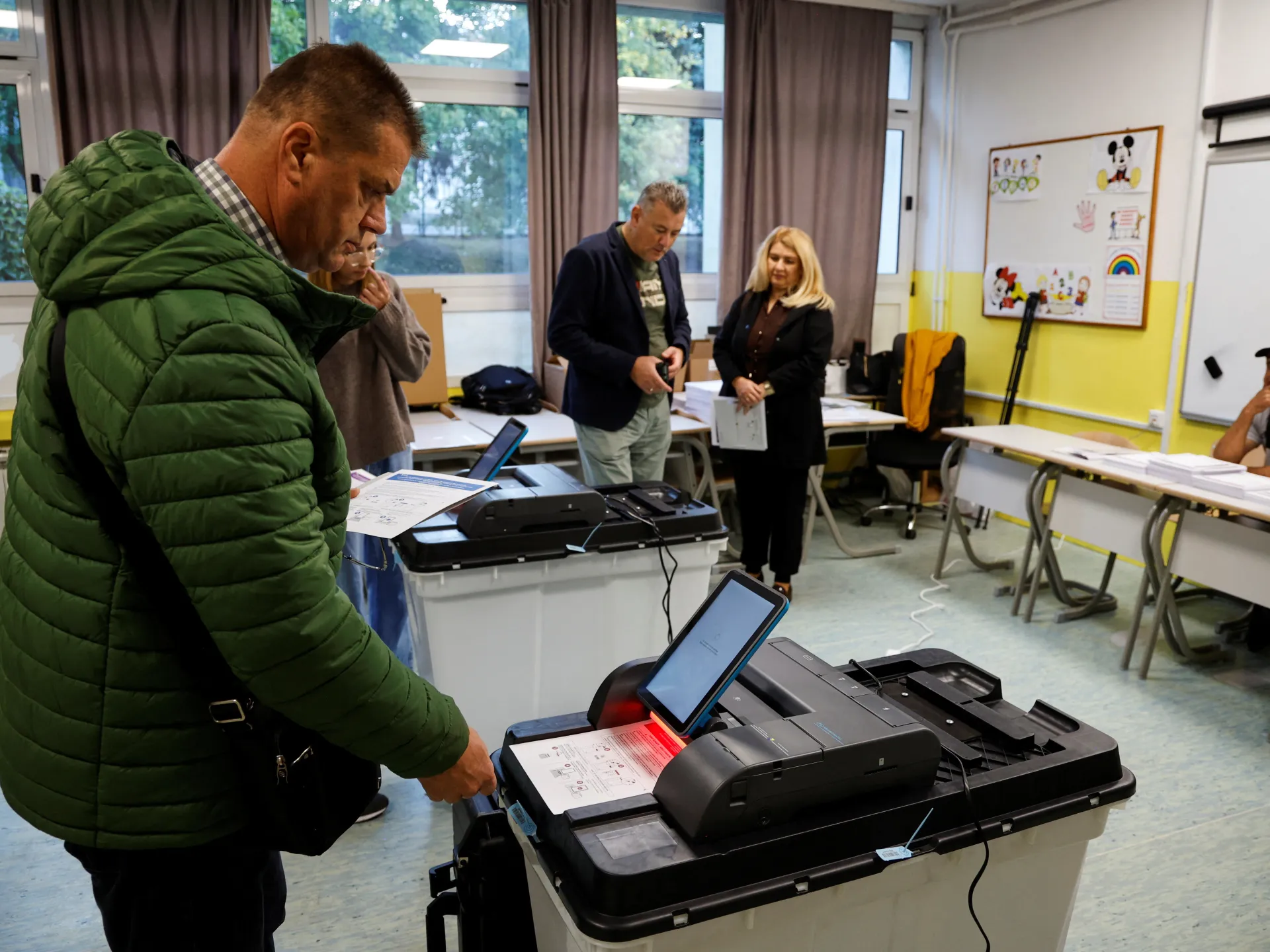
Bosnia and Herzegovina is holding a general election for its three-member presidency, national parliament and leaders of its two entities: the Federation of Bosnia and Herzegovina and Republika Srpska. About 3.4 million voters are eligible to choose officials across the country’s multiple levels of government, Al Jazeera reports.
The governing system was established under a US-brokered peace agreement in 1995, following the 1992–95 war. The election is taking place amid ethnic and political divisions, with parties advancing competing positions on the authority of the central state and the rules for choosing the Croat member of the presidency.
Bosniak parties in the Federation are calling for a stronger central state. Croat nationalist parties are seeking electoral reform and a greater say in choosing the Croat presidency member. At a campaign rally, Republika Srpska’s former president Milorad Dodik described the country as “impossible”; the remark was campaign rhetoric, not an assessment of the election process.
The vote may affect Bosnia and Herzegovina’s bid to join the European Union. The country received candidate status in 2022, but accession negotiations scheduled for 2024 were delayed as the EU sought stronger anti-corruption laws and judicial reform.
For the first time, electronic tools are being used to scan ballot papers and verify voters’ fingerprints, with the stated aim of reducing fraud. Polls are due to close at 7pm local time, with first results expected later on Sunday; no outcome is yet reported.