Border wall construction threatens 6,000-year-old archaeological sites in West Texas
The Department of Homeland Security has waived key heritage protections to build barriers along the Rio Grande, putting unrecorded indigenous sites and private ranches at risk of destruction.
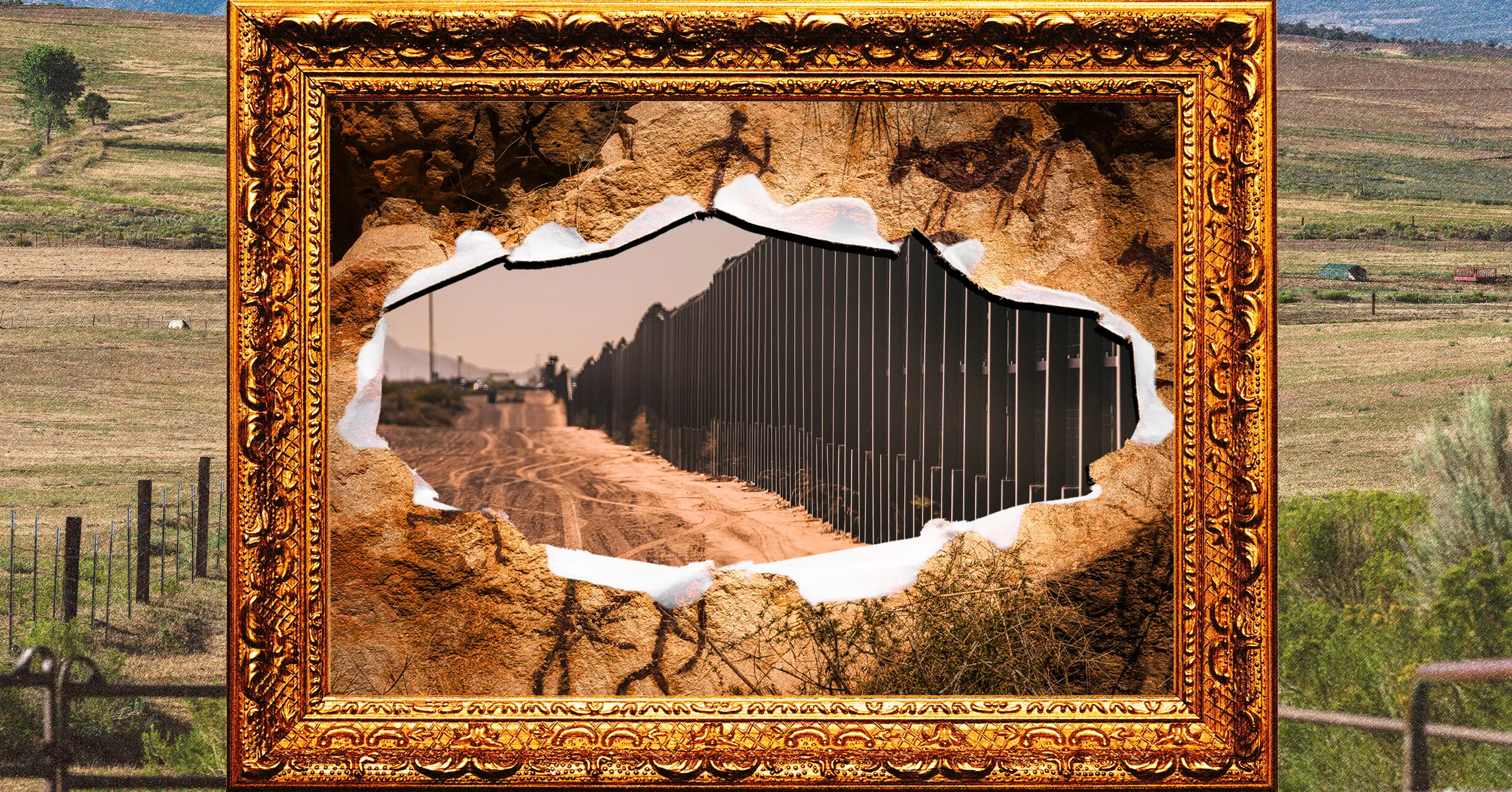
Construction of the US-Mexico border wall in West Texas is threatening significant archaeological sites on private lands, including 6,000-year-old rock art and prehistoric villages. The Department of Homeland Security and Customs and Border Protection have awarded billions of dollars in contracts for a wall and barriers along a 500-plus-mile riverfront expanse. Despite environmental reviews, the Department of Homeland Security has waived the National Historic Preservation Act, allowing bulldozers to clear areas such as the Lower Pecos Canyonlands Archeological District.
Bulldozers began clearing along the Rio Grande corridor near Santa Elena Canyon on 6 August, though construction in Big Bend National Park has since been paused due to lawsuits. Archaeologist Bryon Schroeder’s site, Canta Recio, is directly in the path of the proposed wall. His digs have uncovered pottery and adobe dating to AD 800, linked to the Paquimé UNESCO World Heritage site. If the wall is built, parts of the site will be bulldozed, while others will become effectively inaccessible.
A 30-foot bollard wall is set to pass through the Polvo site in Redford, Texas, which contains a prehistoric village and burial ground dating to the 1300s, as well as evidence of a 1600s Spanish mission. Eagle Nest Canyon in Langtry, home to the southernmost bison jump site in the US, is also slated for barrier construction. Archaeologist Carolyn Boyd identifies 12 other rock art sites at risk and 79 that will become inaccessible.
Painted Shelter, a limestone rock shelter with 6,000-year-old rock art, is at risk from a vehicle barrier that could destroy the stream and cause limestone spalling. Locals report that wall contractors have bulldozed private property before legal clearance, damaging irrigation systems and vegetation. The region was designated a National Historic Landmark in 2021, but the waiver of the National Historic Preservation Act has removed federal requirements to minimise harm to these sites.
Lawsuits were filed earlier this month by residents in San Ygnacio, approximately 275 miles south of the Big Bend region. Several miles of steel bollards lay in piles at staging areas, and temporary workforce housing camps have cropped up on newly cleared land. Ranchers and archaeologists warn that many sites have not been fully studied and may be destroyed before their history is recorded.
The Department of Homeland Security is pursuing a border wall despite bipartisan backlash that previously prompted the agency to scuttle plans for a steel bollard wall in the national park. Instead, the agency is planning to construct the wall and a web of road construction over mountains and across canyons outside the park. This includes private property that ranchers say holds archaeological sites worth protecting.
Archaeologist Carolyn Boyd says she feels like she is living a nightmare, hoping the government will revise its plans to rely on technology rather than physical infrastructure. However, time is seemingly running short to make that case. Local resistance continues as residents and researchers fight to preserve the region's cultural and historical legacy.