Booksellers in Ireland vow to block AI firms from purchasing rare texts
Following reports that artificial intelligence companies may be shredding physical copies to accelerate training data collection, Irish booksellers are refusing large, uncharacteristic orders to protect fragile collections.
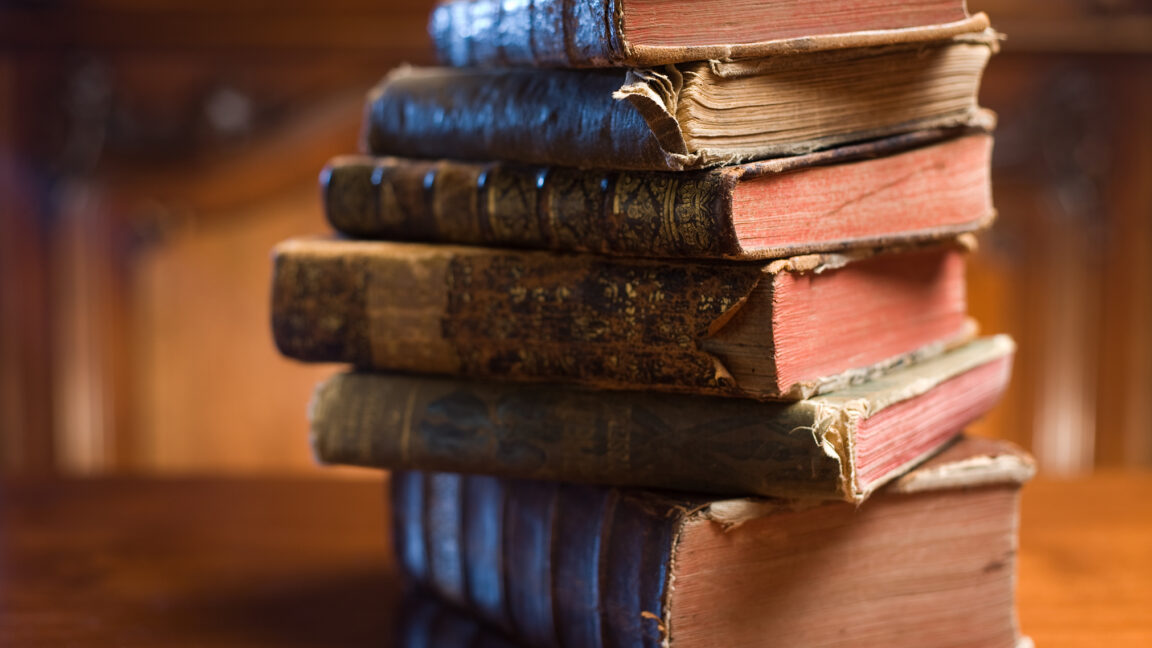
Booksellers in Ireland are actively resisting what they suspect are bulk purchases by artificial intelligence firms intent on destroying rare books to extract training data. The resistance follows reports that tech companies are shredding physical copies to accelerate scanning, with retailers such as Kennys Bookshop in Ireland flagging suspicious large orders and vowing to refuse sales likely destined for AI training.
Tomás Kenny of Kennys Bookshop stated he plans to refuse orders likely destined for AI training to protect authors’ rights and reader access. The shop recently flagged a suspicious order for 5,000 obscure titles, noting the buyer’s refusal to haggle as a red flag for AI involvement. Kenny told The Irish Times that AI is terrifying the industry and that the bookstore does not want to be part of a process that takes intellectual property.
The concerns stem from a summer 2025 lawsuit that revealed Anthropic destroyed millions of print books to train its AI models, leading to public backlash and the use of the codename “Project Panama” for the practice. While Anthropic has denied destroying rare books, reports from The Telegraph and 404 Media indicated that AI firms were shredding originals, and a database company, ISBNdb, was advertising bulk book sourcing for AI training.
In response to the controversy, Elon Musk’s xAI publicly pledged to preserve rare books, with Musk stating his team would scan them “the hard way” rather than cutting off spines. However, critics note that xAI has not specified how it defines a “rare” book, leaving ambiguity regarding the scope of their preservation pledge. Meanwhile, OpenAI and Microsoft are collaborating with Harvard librarians to train AI models on approximately one million public-domain books dating back to the 15th century.
The Internet Archive’s manual scanning process, detailed in a 2021 post by scanner Eliza Zhang, remains the organisation’s current best practice for preserving fragile texts. Chris Freeland, director of library services at the Internet Archive, confirmed the 2021 description of their scanning process is still accurate today. The Archive found that automated commercial scanners with vacuum-powered page-turning arms were unsuitable for brittle and rare volumes, preferring clean, dry human hands to turn pages carefully.
Google patented a non-destructive book-scanning technology in 2009, though it is slower and potentially less efficient for rare books than destructive methods. Studies have found that the curve of the page can distort text and glitches can occur if workers move too quickly. Despite these challenges, the Internet Archive maintains that its method limits handling and ensures zero errors, a stark contrast to the speed-focused approach of many AI firms.
Booksellers fear that selling to AI firms that are indiscriminately destroying their collections may be signing their own death warrant. While some booksellers could benefit in the short term from large orders, the long-term loss of rare physical texts is a significant concern. The industry is now calling for non-destructive digitisation methods similar to those used by the Internet Archive to preserve these valuable historical records.