Bolivia’s cloud forests yield first new cat species in a century
Genetic analysis reveals five distinct tiger cat lineages, prompting a formal reclassification of the species and highlighting gaps in South American biodiversity records.
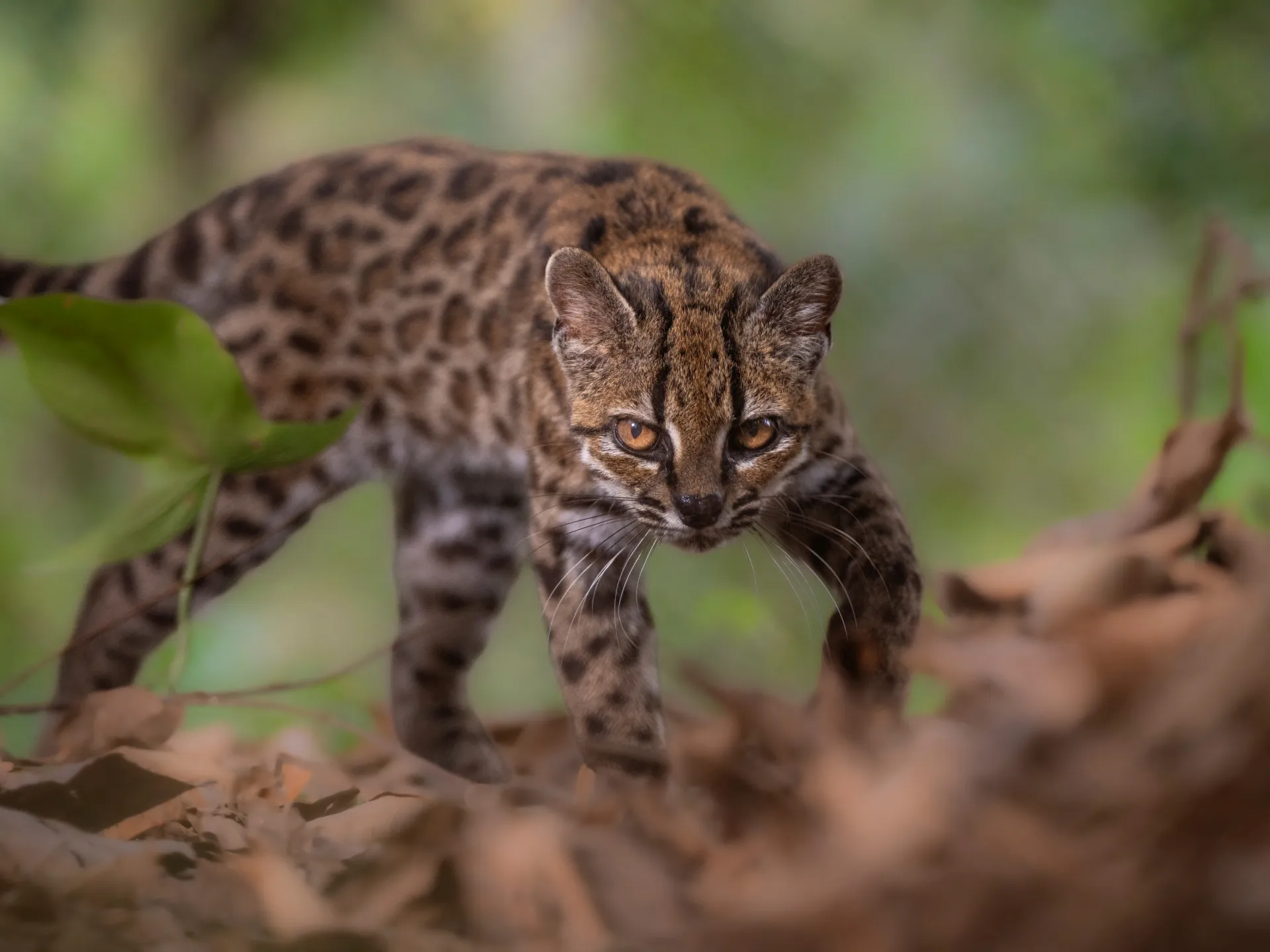
Researchers have formally identified a new species of wild cat in Bolivia’s Yungas cloud forests, marking the first time in over a century that a new living feline species has been named and described. The animal, scientifically designated as Leopardus tilcayo, was previously misclassified due to the "cryptic" nature of tiger cats, which are difficult to distinguish by appearance alone.
The discovery underscores the limitations of historical taxonomic methods, which relied heavily on specimens from Brazil that did not match the characteristics of the Bolivian population. Jonas Lescroart, an evolutionary biologist at the University of Antwerp and co-lead author of the study, noted that the physical traits of the local cat did not align with existing descriptions, prompting a deeper investigation into the region’s biodiversity.
Published in the journal Current Biology, the study details the physical attributes of the new species, which measures 46cm in length and weighs approximately 1.4kg. Paola Nogales-Ascarrunz, a National Geographic Explorer and co-author, described the cat’s fur as light brown with irregularly shaped rosettes. Despite its small size, the species represents a significant addition to the known feline family tree.
The research team analysed DNA from 38 cats sampled across several South American countries, including eight museum specimens. This genetic analysis confirmed that tiger cats comprise five distinct species rather than a single group. The findings suggest that the tilcayo lineage separated from other tiger cats approximately 1.4 million years ago, indicating a long period of isolated evolution in the mountainous, high-humidity environment of the Yungas forest.
While the taxonomic classification is now established, specific biological details of Leopardus tilcayo remain limited. Current evidence from scat samples suggests a diet that may include small rodents, and camera-trap data indicates the species is likely more active at night. However, these behavioural traits have not been exhaustively verified, leaving room for further ecological study.
The study also resulted in the description of a new tiger cat subspecies in Peru’s Yungas region, named Leopardus tigrinus antisuyo. The name references Antisuyu, a region of the old Inca Empire that included the area where the subspecies inhabits. This dual discovery highlights the ongoing need for rigorous genetic surveying to accurately map the biodiversity of South America.