Bolivian President Announces 50 Per Cent Salary Cut Amid Protests
President Rodrigo Paz and cabinet ministers reduce their remuneration by half in a direct response to ongoing civil unrest.
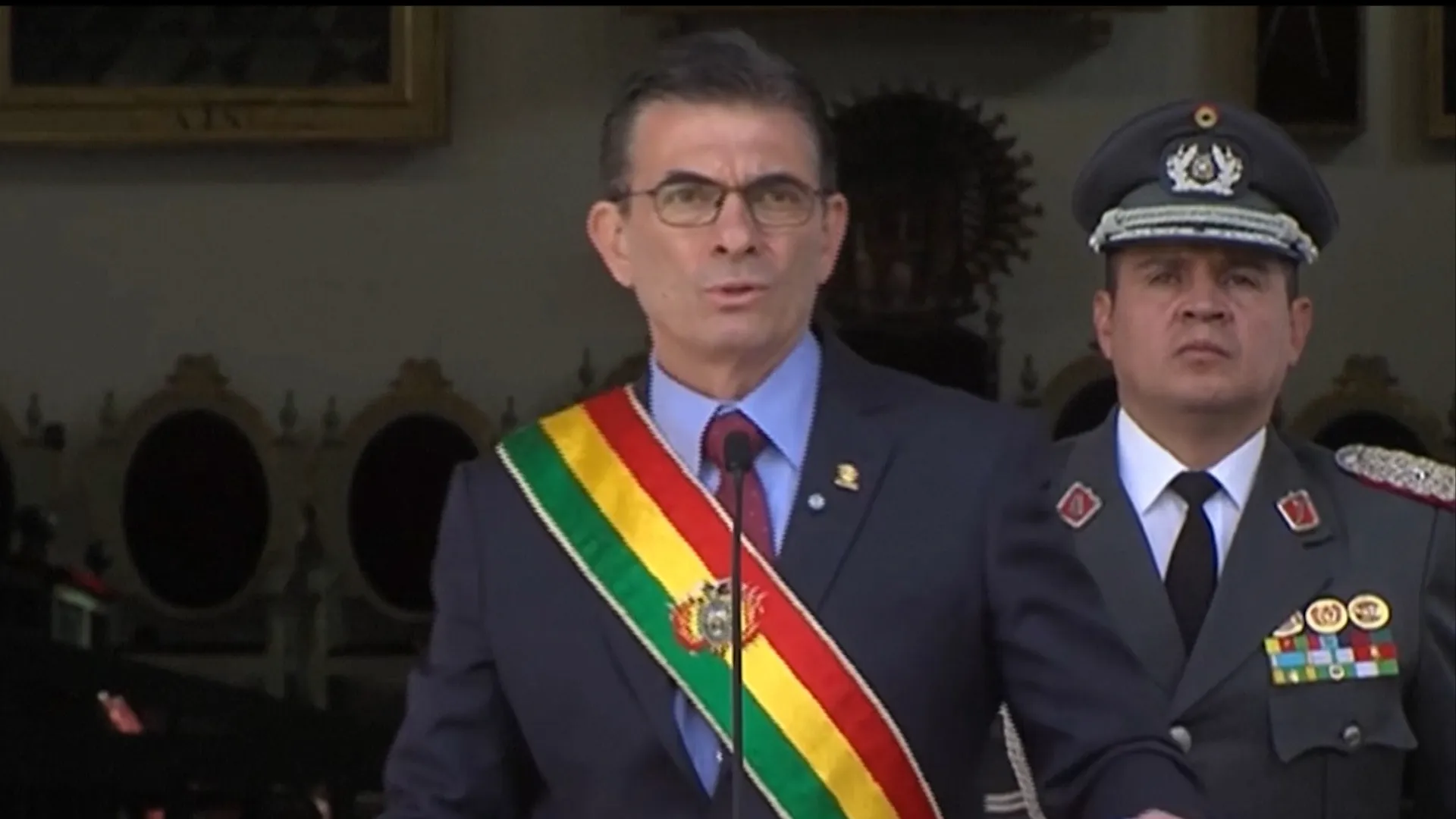
Bolivian President Rodrigo Paz has announced a significant reduction in executive remuneration, confirming that he and his cabinet ministers will cut their salaries by 50 per cent. The decision, communicated on 25 May 2026, positions the salary reduction as a direct administrative response to the ongoing protests currently affecting the country.
The announcement was made by President Paz, explicitly covering both his own compensation and that of the entire cabinet. This move represents a formal institutional adjustment to the political climate, aiming to address the grievances fueling the civil unrest without providing further detail on the specific demands or scale of the demonstrations.
According to reporting from Al Jazeera Global News, the timing of the announcement coincides with the height of the protests. The executive branch has opted for a fiscal adjustment at the highest levels of government rather than outlining broader policy reforms or legislative changes in this initial statement.
The salary cut applies uniformly to the President and his ministers, signalling a shared burden within the executive branch. By halving their own pay, the administration is attempting to demonstrate fiscal responsibility and alignment with public sentiment during a period of heightened social tension.
While the structural change to executive compensation is clear, the source material does not specify the duration of the cut or any subsequent measures the government may take to resolve the underlying causes of the protests. The focus remains strictly on the immediate administrative action regarding salaries.
This development places the Bolivian government under increased scrutiny regarding its handling of civil unrest. The decision to reduce executive pay is a tangible policy shift, though its effectiveness in de-escalating the protests remains to be seen based on the information currently available.
The announcement marks a distinct moment in the country's recent political history, where executive financial concessions are being used as a primary tool for crisis management. The administration’s next steps will likely determine whether this salary reduction serves as a temporary measure or a precursor to broader governance reforms.