BJP’s narrative control frays as Gen Z protests expose legitimacy gap
Analysts warn that the ruling party’s traditional mechanisms of dissent management are failing against a pluralistic, digitally native movement.
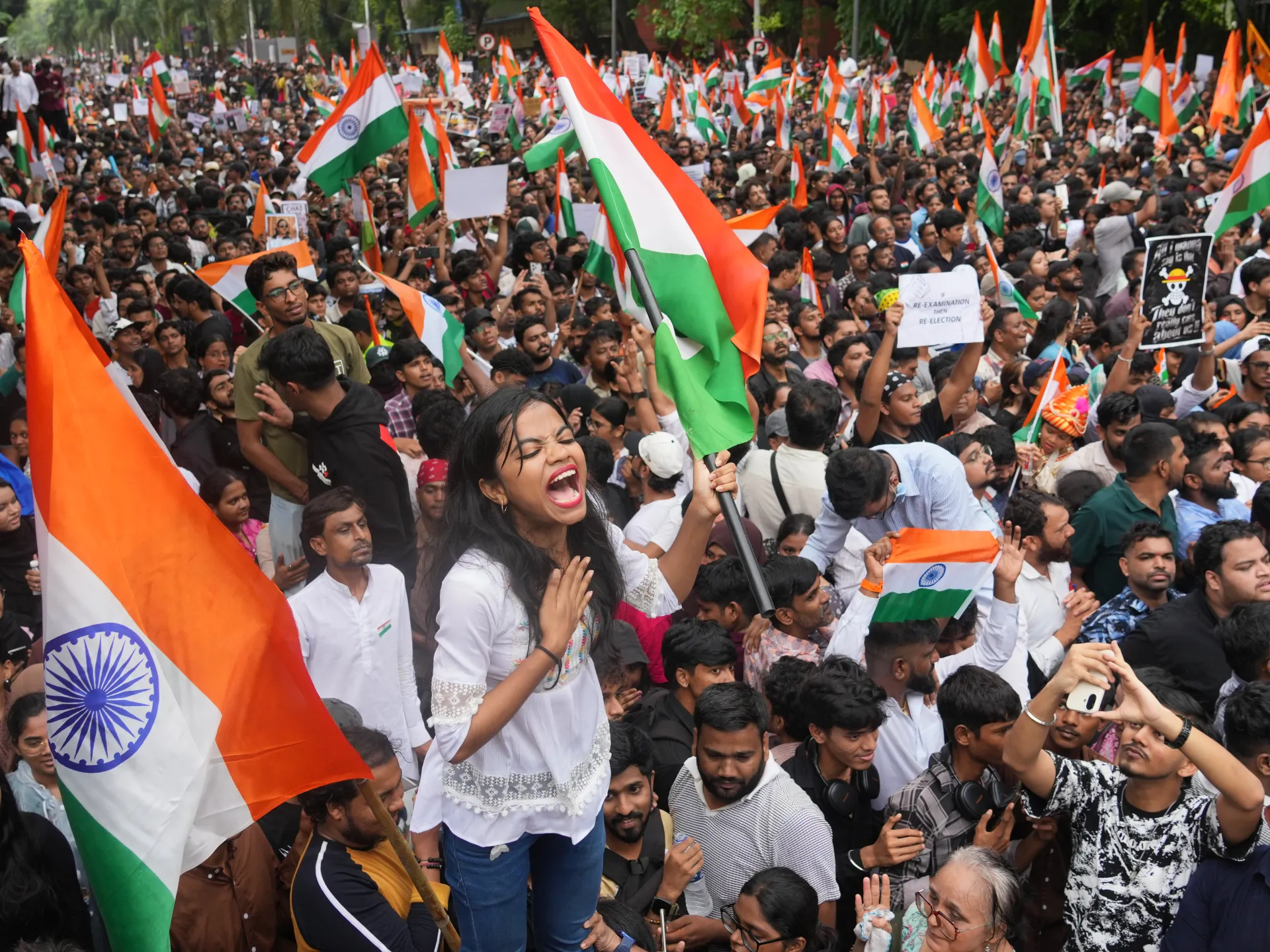
The Bharatiya Janata Party (BJP) has suffered significant electoral setbacks in by-elections across Bihar and Madhya Pradesh, coinciding with widespread student-led protests that have challenged the government’s authority. The ruling party lost two of three contested seats in early August 2026, including the Bankipur constituency in Bihar, which had been held by the BJP for three decades. The defeat was delivered by the Jan Suraaj Party, led by political strategist Prashant Kishor, ending the tenure of BJP national president Nitin Nabin.
The electoral losses followed seven weeks of demonstrations triggered by education exam leaks and comments from Chief Justice Surya Kant, who compared unemployed youth to “cockroaches” and “parasites”. The protests, mobilised largely through the satirical Cockroach Janta Party on Instagram, resulted in the resignation of Education Minister Dharmendra Pradhan. The movement expanded beyond student groups to include army veterans and police officers, drawing support from the BJP’s own upper-caste Hindu base.
In response to the unrest, Prime Minister Narendra Modi released selfie-style videos on Instagram addressing the exam leaks, reportedly advising cabinet colleagues to engage young voters via reels rather than traditional media briefings. The party launched a Gen Z outreach initiative in Uttar Pradesh, directing civil officers into schools for career counselling, and released a video featuring young people using internet slang with an older trainer. However, the attempt to mimic youth culture was widely mocked online, with users suggesting the content felt manufactured and inauthentic.
Analysts suggest the BJP’s traditional narrative control is weakening as it struggles to engage Gen Z voters on social media. Gilles Verniers, a researcher at the Center for International Studies (CERI) at Sciences Po in Paris, described the party’s outreach as a “battle for perception” rather than a policy shift. He noted that the BJP’s usual strategy of branding dissenters as anti-national or foreign-funded failed this time because the movement was pluralistic and mocked itself before the state could.
The protests have exposed a growing disconnect between the BJP’s electoral dominance and its social legitimacy. While the party retains its position as the most formidable political machine in India, analysts argue that its authority is being dented. The gap between the party’s actual power and its ability to command citizen compliance is harder to repair with electoral wins or digital campaigns, marking a significant challenge for governance in the current political climate.