Bill Gates warns AI could be 'worst source of injustice' in new essay
The Microsoft cofounder has shifted from optimism to pessimism, proposing taxes on AI tokens and a new international body to manage cross-border risks.
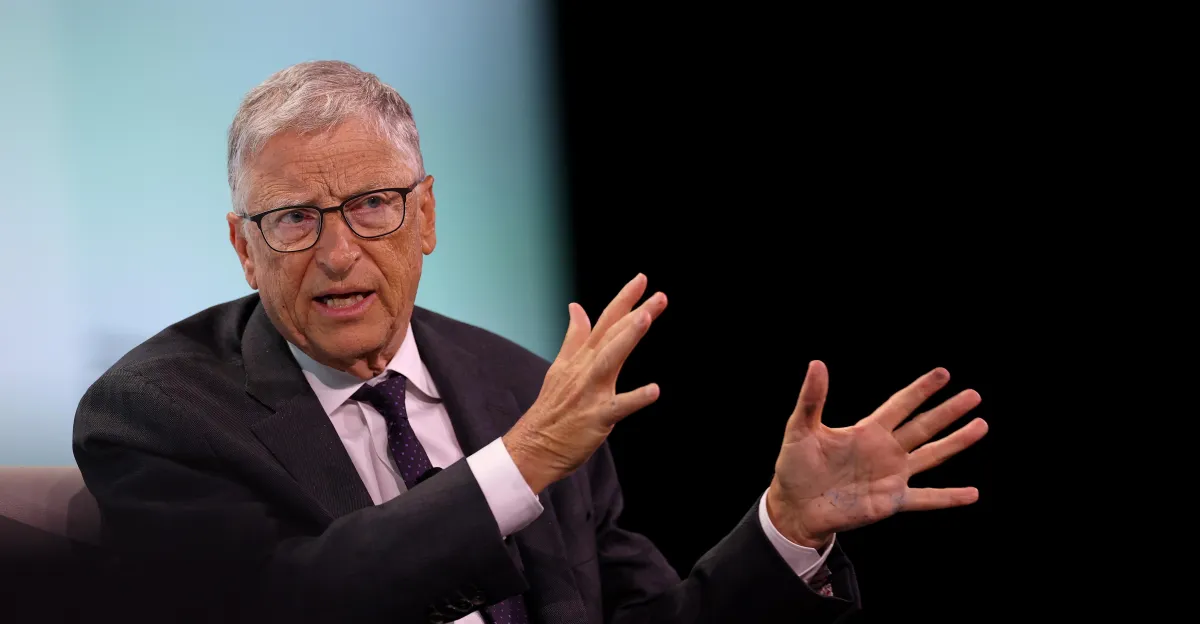
Bill Gates, the Microsoft cofounder, has published a nearly 6,000-word essay that marks a significant departure from his previous optimism regarding artificial intelligence. Titled “The turbulent AI era is here. The choices we make now are critical,” the piece argues that the world is currently unprepared for the scale of disruption the technology will bring. Gates warns that AI could become “the worst source of injustice,” a stark contrast to the hopeful tone of his 2023 writings on the subject.
The essay highlights Gates’ concerns about the labour market, where he predicts widespread and permanent unemployment across both white- and blue-collar sectors. He argues that many jobs will disappear forever, creating a need for immediate political action before public trust erodes. To address this, Gates proposes concrete measures, including taxing AI tokens and robots to disincentivise the replacement of human staff and to bolster social funds.
Beyond taxation, Gates suggests creating a “Human Reserved” domain to protect specific jobs from automation. He contends that existing institutions are inadequate for managing the cross-sectional nature of AI, which simultaneously impacts tax, labour, health, national security, and education. Consequently, he calls for dedicated national bodies that can set priorities across government agencies to ensure all risks are accounted for.
On the international stage, Gates urges the creation of a dedicated organisation to manage “risks that cross borders.” While he does not define the specific risks or the structure of this body, he suggests it could be inspired by international nuclear, aviation, or ozone layer agreements. He acknowledges that such a framework would require cooperation between the US and China, though he does not outline a mechanism for achieving this.
Gates has been relatively quiet on AI issues recently, a silence potentially influenced by his associations with Jeffrey Epstein, which he has described as a “huge mistake.” However, he vows to use his influence to raise AI and equity issues with lawmakers in Washington, DC, and world leaders. He insists that if there were a credible plan to slow down AI advances globally, he would likely support it, emphasising that the transition will be one of the most turbulent times in human history.
The essay serves as a call to action for political leaders, who Gates says must act now. He believes that while it is not too late to ensure the benefits of AI outweigh the harms, the window for effective governance is narrowing. The Microsoft cofounder plans to revisit his ideas on making sure AI’s benefits outweigh the harm it causes in future communications.