Besxar tests orbital semiconductor manufacturing on SpaceX flights
The start-up says two prototype fabships flew on a July Starlink mission, while further tests will focus on heating wafers and depositing semiconductor materials in orbit.
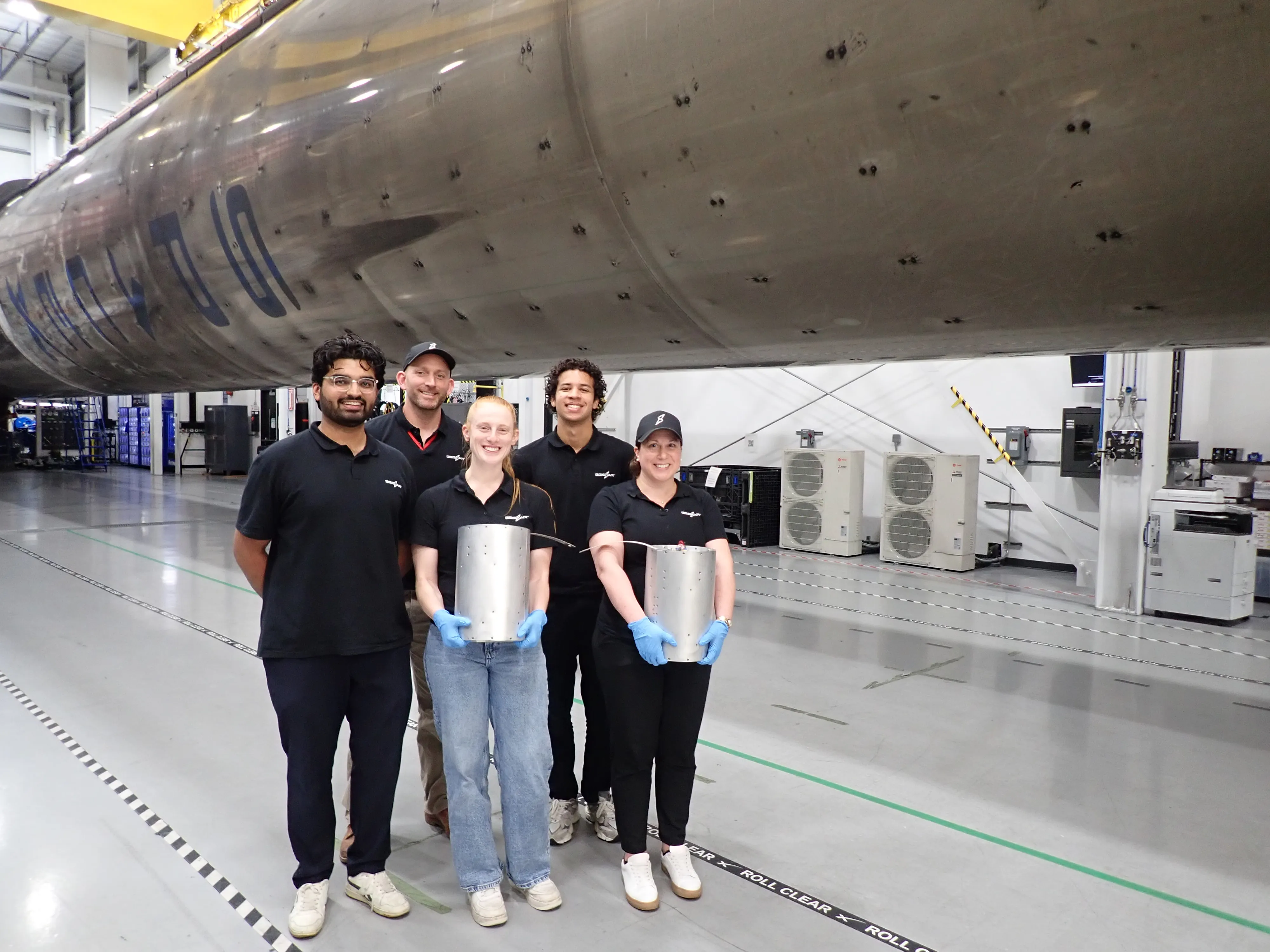
Besxar is developing small orbital “fabships” to produce semiconductor materials in space, using the vacuum environment to reduce reliance on large terrestrial clean-room facilities.
The start-up’s first two canisters flew on a July Starlink mission, according to TechCrunch. Besxar said the fabships met objectives covering launch survival, contamination control and exposure to the vacuum of space.
One canister experienced a malfunction in its flight-data system, which Besxar is investigating. The company also said its flown samples contained less particulate matter than non-flown terrestrial wafers, an assessment it has made as part of its own testing.
Besxar has raised almost US$14 million, including a reported US$9 million seed round led by Dauntless Ventures and Overture VC. It plans further testing over the next two years, including heating wafers and depositing semiconductor materials on them.
The longer-term aim is to fly larger facilities, potentially on SpaceX’s Starship, and eventually supply qualification wafers to chipmakers. Besxar is not yet producing advanced chips in space, and scaling to commercially meaningful volumes will depend on the availability of affordable, reusable launch systems and the ability to return products to Earth.