Berlin attributes Leipzig airport drone incident to Russian hybrid operations
Germany has formally linked a drone attack at Leipzig/Halle Airport to Moscow, triggering diplomatic retaliation including the closure of the Russian consulate in Bonn and the termination of the Russian House contract in Berlin.
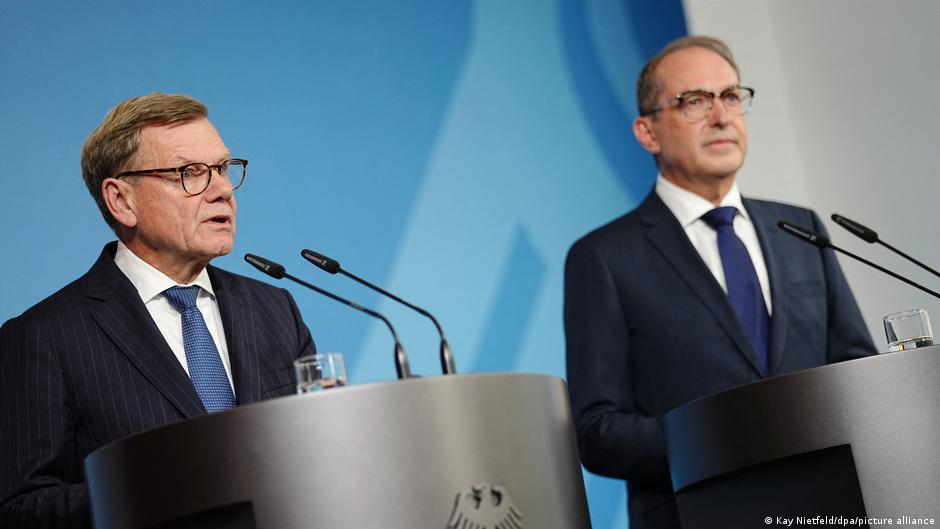
The German government has formally attributed an attempted drone attack at Leipzig/Halle Airport to Russia, characterising the incident as a "hybrid operation" rather than an isolated event. Interior Minister Alexander Dobrindt stated that the federal government concluded Russia was responsible, citing police investigations, crime patterns, and intelligence findings. The attack is viewed by officials as part of a long series of destabilisation operations against Europe, suggesting that Germany may face further similar actions in the future.
Investigators believe an explosives-laden drone targeted a Ukrainian cargo aircraft on 4 August, with a second drone potentially colliding with a DHL plane nearby. German media reported that a third drone, also loaded with explosives, had been discovered at the airport. Federal prosecutors described the incident as a serious attack on Germany’s transport and logistics infrastructure, noting that the drone configuration, components, and detonation systems are consistent with those used in other Russian hybrid operations and the war in Ukraine.
In response, Foreign Minister Johann Wadephul announced retaliatory measures designed to be proportionate yet resolute. These include the closure of the Russian consulate in Bonn, scheduled to close from 18 September, and the rescinding of the contract enabling the operation of the "Russian House" cultural centre in Berlin. Wadephul emphasised that Germany is not at war but is a daily target of hybrid warfare, necessitating a measured response coordinated closely with European Union and NATO partners.
NATO Secretary General Mark Rutte stated that the alliance stands in "full solidarity" with Germany, asserting that Russia’s attempts to intimidate and undermine unity are futile. European Commission President Ursula von der Leyen affirmed the EU’s resolve to stand against Russian aggression, while EU foreign affairs chief Kaja Kallas noted that Russia’s involvement was clear, though she declined to comment further until Germany identified the specific individuals responsible.
The incident underscores a shift in how Berlin frames security challenges, moving from traditional military threats to institutional and hybrid pressures. By linking the Leipzig incident to broader destabilisation efforts, the German government aims to justify diplomatic and security measures without declaring a state of war, maintaining a focus on governance and proportionality.
Germany continues to support Ukraine in its defensive battle against Russian aggression, with Wadephul stating that the attack on Leipzig demonstrates the necessity of sticking to a clear security course. The government remains ready to react along with its partners when the protection of its population demands it, signalling a sustained commitment to deterring further escalation.