Bears chairman dismisses name change speculation amid Indiana relocation push
Team leadership addresses unverified rumors while advancing due diligence on Hammond, Indiana, sites
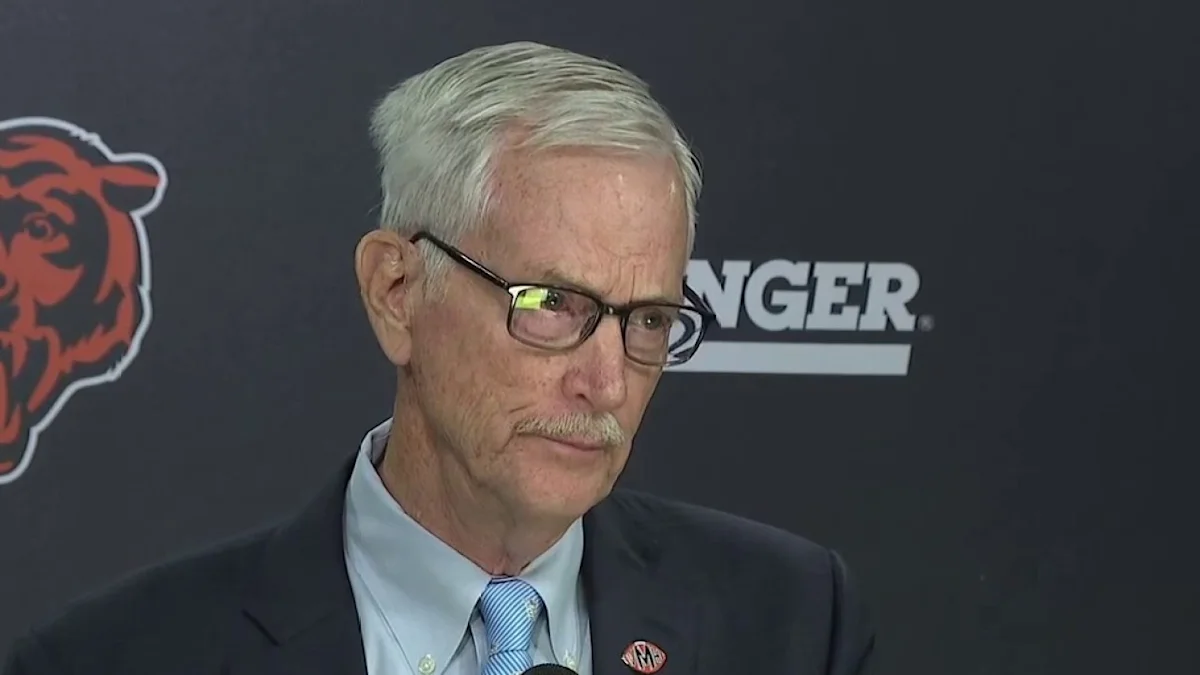
Chicago Bears chairman George McCaskey has moved to quell circulating reports that the franchise would alter its name should it relocate to Indiana, affirming that the team will retain the Chicago Bears moniker regardless of its physical location. Speaking to reporters on Thursday, McCaskey explicitly denied unverified claims that a name change was a condition of any potential stadium agreement with the state, stating the team’s identity would remain unchanged whether the new home is in Arlington Heights, Illinois, or Hammond, Indiana.
The clarification comes as the organisation intensifies its focus on Hammond, which team president Kevin Warren described as the “sole focus” for the franchise’s future. McCaskey noted that the bulk of the team’s time, attention, and resources are currently being directed toward the Indiana site, signalling a decisive shift in strategy after months of stalled negotiations in Illinois.
This pivot follows the team’s announcement in June to advance efforts in Hammond, a decision driven by growing frustration with the Illinois state legislature over the lack of progress on the Arlington Heights proposal. The Bears had previously purchased the site of a former racetrack in Arlington Heights, but the Indiana option has now emerged as the primary candidate for the club’s post-Soldier Field home.
To support this transition, the Bears are conducting due diligence on two specific locations in Hammond: the Lost Marsh Golf Course and a site near the Wolf Lake terminal. Warren confirmed that the review of the Lost Marsh site has been completed, marking a tangible step in the evaluation process for the new stadium footprint.
While the relocation is not yet finalised, McCaskey acknowledged the anxiety surrounding a move to northwest Indiana, which is located approximately 60 miles from the team’s Halas Hall headquarters in Lake Forest. He expressed confidence that fans would adjust to the change once they experience the proposed world-class stadium, suggesting that the quality of the venue would facilitate the transition for the supporter base.