Trump imposes up to 100% tariffs on imported drones citing security risks
New measures include steep duties on sensitive equipment and reduced rates for allies, with implementation timelines varying by component type.
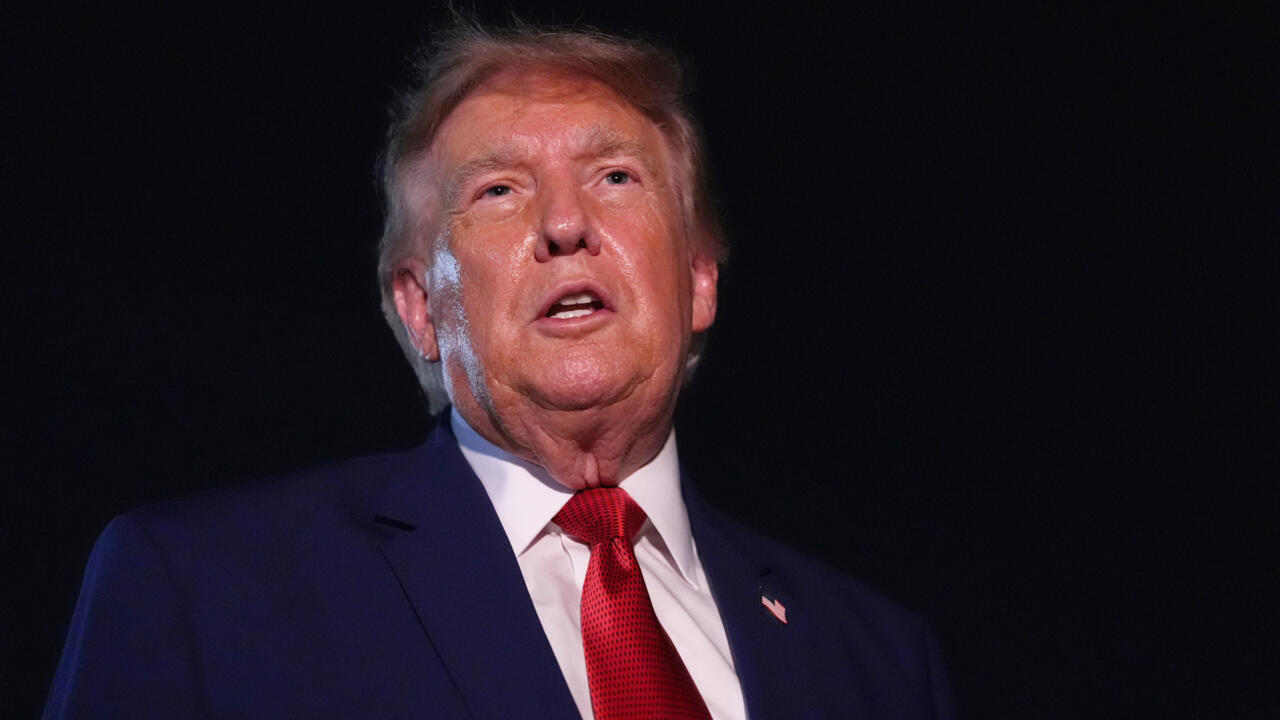
President Donald Trump has signed a proclamation imposing tariffs of up to 100% on imported drones and their components, a move the White House attributes to national security imperatives and a need to curb dependence on foreign suppliers. The administration stated that the United States is currently "too reliant" on external sources for unmanned aircraft systems (UAS), prompting the new trade restrictions.
The proclamation establishes a 100% ad valorem tariff on drones of specific sizes or with capabilities deemed sensitive for national security purposes. A separate 25% tariff applies to smaller drones. Commerce Secretary Howard Lutnick’s investigation into the sector found that import penetration from foreign producers is substantial and that domestic US industry lacks the capacity to meet current security requirements. Lutnick further identified that drones and components from certain foreign entities pose security and safety risks.
Reduced tariff rates have been applied to key allies to mitigate immediate trade friction. Drones and components originating from the European Union, Japan, Liechtenstein, South Korea, Switzerland, and Taiwan will face a 15% tariff. A 10% ad valorem tariff has been set for drones imported from the United Kingdom. These measures continue Trump’s broader strategy of using tariffs as a central pillar of foreign and trade policy, despite facing legal challenges and criticism from analysts.
Implementation of the new duties will be phased. The 100% tariff on sensitive drones will take effect in 21 days. For non-sensitive components and products approved for exemption from the Federal Communications Commission's "Covered List" by the Pentagon within 20 days of signing, the tariffs will take effect 180 days after the proclamation was signed.
The White House released the text of the proclamation alongside the announcement, detailing the findings from Lutnick’s probe. The administration maintains that the domestic manufacturing base must be strengthened to address the identified vulnerabilities in the supply chain for unmanned aircraft systems and their associated parts.