Baidu and Lyft begin London robotaxi trials with Freenow
The US ride-hailing giant and Chinese tech firm have commenced testing in the UK capital, joining a growing field of autonomous vehicle competitors as they target a 2027 public launch.
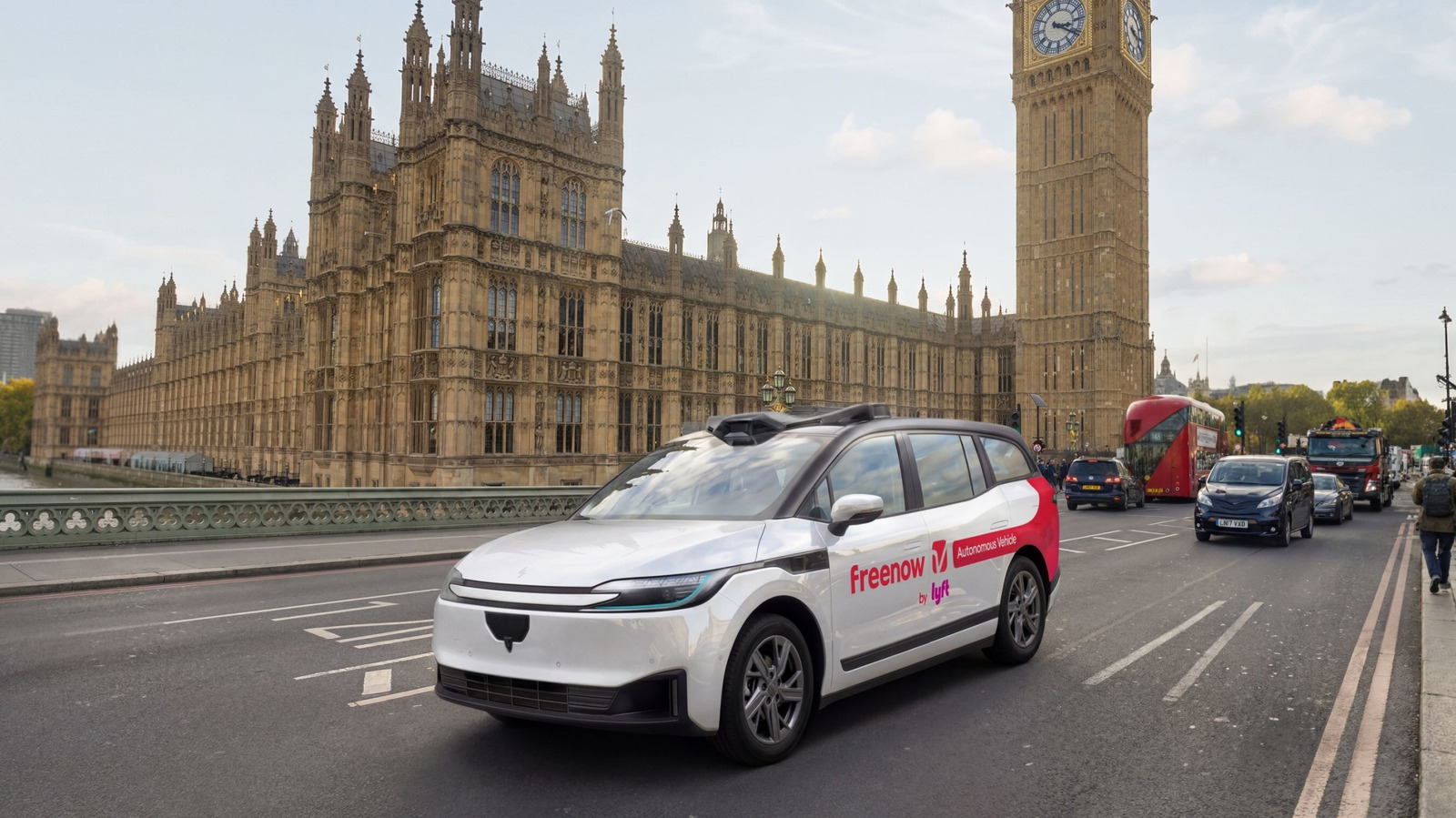
Baidu, in partnership with Lyft and Freenow, has commenced testing its Apollo Go RT6 robotaxis in London. The trials are currently taking place in the Brent borough, where dozens of the autonomous vehicles are operating with human safety drivers aboard. This development marks the latest entry into London’s rapidly evolving autonomous vehicle landscape, as the city attracts significant investment and regulatory attention from global tech firms.
Lyft acquired Freenow last year to leverage its established taxi network in the UK and Germany, aiming to expedite the deployment of autonomous technology across Europe. The eventual service, branded as Freenow by Lyft, will operate as a hybrid network. This model integrates autonomous vehicles with Freenow’s existing infrastructure, ensuring that professional drivers continue to play a role in the transport ecosystem. Thomas Zimmermann, CEO of Freenow by Lyft, stated that the priority is ensuring autonomous technology supports professional drivers rather than displacing them.
The timeline for commercial entry remains contingent on regulatory clearance. Lyft and Freenow are scheduled to begin managing passenger bookings starting next year. Public reservations are expected in 2027, pending approval from Transport for London (TfL) and the UK government. The UK government has facilitated this environment by launching a robotaxi pilot program and is currently drafting new rules for autonomous vehicles.
London has emerged as a competitive hub for autonomous vehicle deployment in Europe. Waymo began testing Jaguar I-Pace vehicles in the city earlier this year with human safety operators. Additionally, Uber and its self-driving partner, Wayve, are preparing to launch trials later this year and are currently accepting interest list sign-ups. These moves highlight the intensifying competition among major players seeking to establish a foothold in the European market.
While the long-term aim involves deploying thousands of autonomous vehicles across Europe, the current operational reality is limited to the initial testing phase in Brent. The specific nature of the hybrid network integration with human drivers is still being defined, and the exact scale of future deployments beyond the dozens of vehicles currently testing remains unclear. The success of the 2027 launch will depend heavily on how smoothly the regulatory framework is implemented by TfL and government bodies.