Azad Kashmir unrest persists through elections amid internet blackout and media restrictions
Protests led by the Joint Awami Action Committee have continued in Pakistan-administered Azad Kashmir despite a reported death toll of 89 and ongoing disruptions to banking and healthcare.
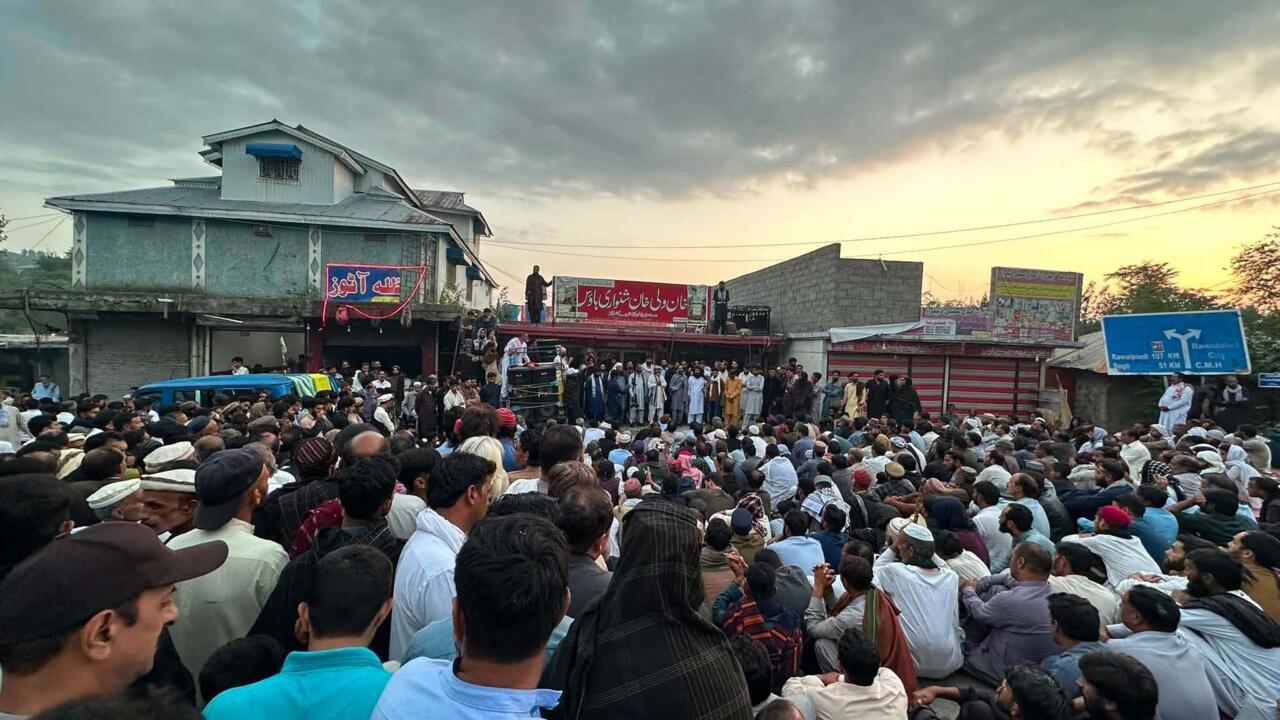
Widespread protests in Pakistan-administered Azad Kashmir have persisted since early June, continuing through local legislative elections held between 27 July and 10 August. The movement, led by the Joint Awami Action Committee (JAAC), demands electoral reform, greater political representation, and increased resources for the territory. The unrest intensified following the death of activist Shahzeb Habib on 5 June, which the Pakistani government linked to the JAAC’s designation as a terrorist movement.
The Jammu Kashmir Human Rights Observatory (JKHRO) reported that 89 people had been killed during the protests since 5 June, with significant casualties occurring in Rawalakot, Mirpur, and Muzaffarabad. The UK-based organisation noted that the death toll could rise further, while authorities in Azad Kashmir have yet to release official figures. The Pakistani government denies that security forces used force to repress peaceful political activity, accusing the JAAC of promoting anarchy and violence.
Despite the government’s claim that internet access is being "progressively normalised", the shutdown imposed on 5 June has disrupted banking, healthcare, and education. Restrictions on the supply of essential goods have compounded the humanitarian impact, with hospitals unable to process blood tests and schools remaining closed. The Ministry of Information and Broadcasting stated that outages are limited to areas affected by violence and imposed only for the period considered necessary for public safety.
Media access has also tightened, with the imposition of the "Foreign Media Facilitation Guidelines 2026" on 4 August. These guidelines require foreign media personnel to obtain a no-objection certificate to report from outside Karachi, Lahore, and Islamabad. Al Jazeera’s website was blocked on 2 August, and two independent local journalists have been detained since 1 August. Local journalists and citizens covering the protests on social media face pressure, with some placed on watch lists of suspected terrorists, resulting in blocked bank accounts and identity documents.
Local legislative elections were held between 27 July and 10 August, although voting in seven constituencies, including Rawalakot, was postponed for security reasons. As of 10 August, 38 of the 45 directly elected seats had been filled. The ruling Pakistan Muslim League-Nawaz won 25 seats, while the Pakistan Peoples Party won 12. The JAAC continues to organise sit-ins in Rawalakot, with thousands of people gathering daily despite the risk of violent suppression.
The situation remains tense as the government and the JAAC dispute the use of force and the nature of the protests. While the government points to evidence of the JAAC using weapons and taking hostages, the opposition movement denies targeting police officers or using violence. The ongoing restrictions on communication and movement continue to shape the political landscape in the autonomous territory.