Authentication firm Copyleaks warns of rising AI deepfake scams on TikTok featuring Taylor Swift and Rihanna
Fraudulent ads often display official platform branding before redirecting victims to third-party sites, while Taylor Swift moves to protect her voice through new trademark applications.
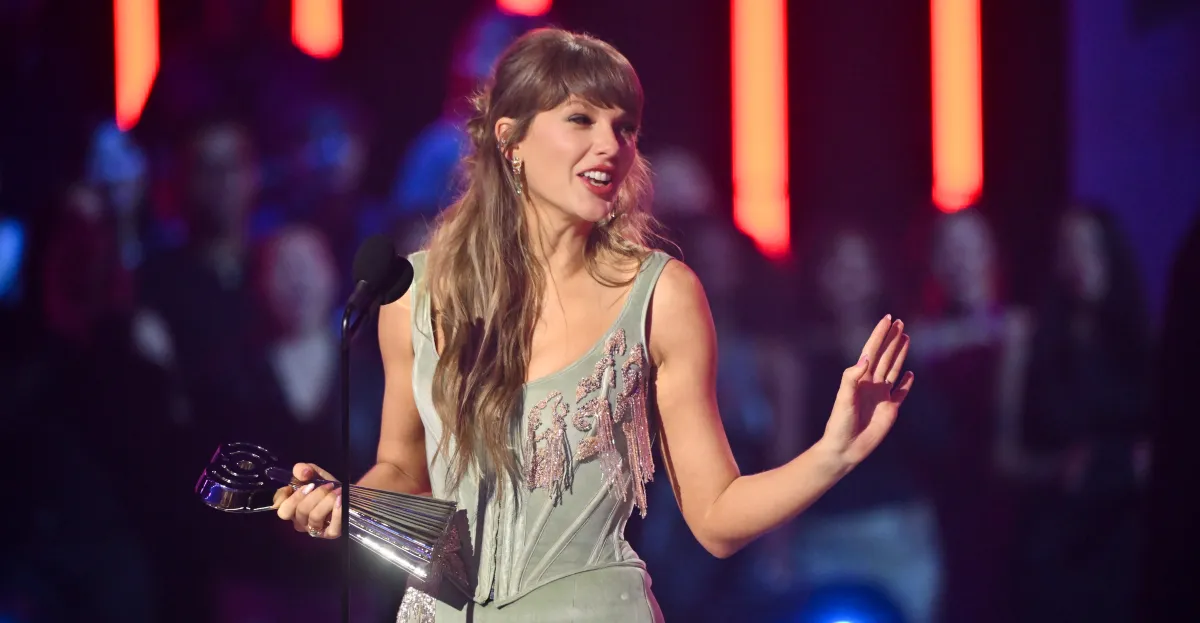
Authentication company Copyleaks has identified a surge in fraudulent activity on TikTok where scammers are utilising AI-generated deepfakes of celebrities to promote deceptive services. The reports specifically highlight impersonations of Taylor Swift and Rihanna being used to lure users into providing sensitive personal information.
These deceptive videos typically mimic professional interview settings, such as red carpets, podcasts, or talk shows, to establish false credibility. The content often features fake offers for rewards programs or a service called "TikTok Pay," urging viewers to sign up or provide feedback in exchange for money.
While some of these fraudulent advertisements display TikTok's official branding to appear legitimate, the links ultimately redirect users to external third-party services designed to harvest data. In one instance, a realistic AI avatar of Swift urged users to sign up for the non-existent feature, while a fabricated video of Rihanna claimed users could earn money simply by watching content and giving their opinions.
This incident underscores the broader struggle social platforms face in combating convincing deepfakes, which are becoming a messy, everyday problem for users. Reports indicate that Meta's platforms, including Instagram and Facebook, see billions of scam ads daily, and the company's own oversight board has acknowledged the existence of a deepfake problem. YouTube is also investing heavily in efforts to combat similar celebrity scam ads.
In response to these evolving threats, Taylor Swift has filed new trademark applications for clips of her voice. This legal move aims to protect her identity from AI copycats and restrict the unauthorised use of her likeness in synthetic media.
The efficacy of these trademark applications in preventing future deepfakes remains to be established, as the technology continues to advance rapidly. Celebrities and regulators alike are searching for new ways to fight back against a threat that is increasingly difficult to detect and manage.