Austrian police station opens in Hitler birthplace to curb extremist visits
The Austrian government has reopened the house where Adolf Hitler was born as a police station, a move designed to end decades of visits by neo-Nazis and far-right extremists to the site.
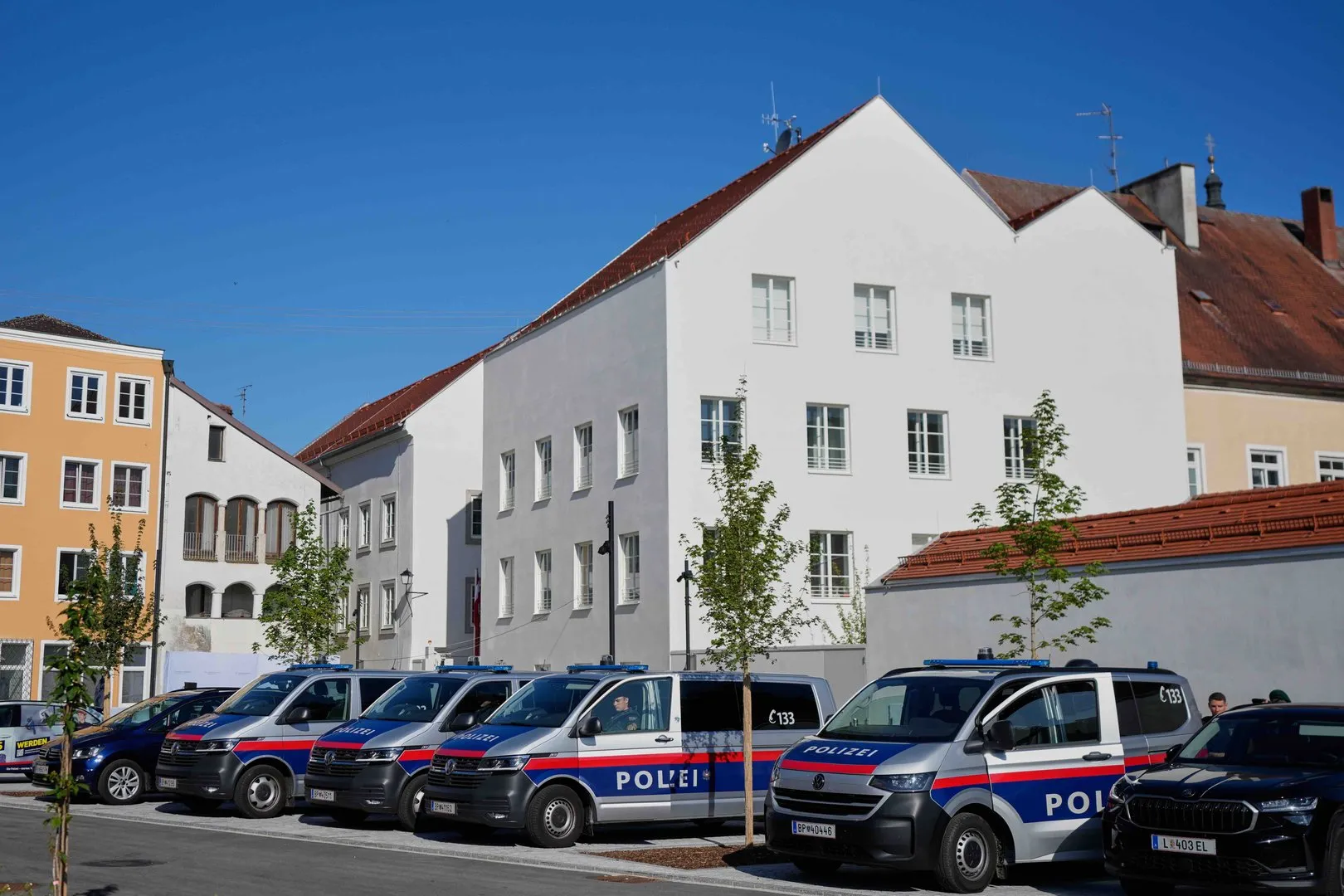
The house in Braunau am Inn, Austria, where Adolf Hitler was born, has been reopened as a police station. This administrative change marks the end of decades of visits by neo-Nazis and far-right extremists to the property, which had previously served as a site of pilgrimage for such groups.
The repurposing of the building is widely viewed as a measure to deter extremist activity and neutralise the symbolic significance of the birthplace. By converting the residence into a functional law enforcement facility, authorities aim to prevent the location from being used for ideological gatherings or tourism by hate groups.
The decision follows years of concern over the site's status. For decades, the property attracted visitors from the far-right, creating significant security and governance challenges for local authorities. The transition to a police station removes the residential aspect that allowed for such unregulated access, replacing it with a state-controlled environment.
While the specific timeline for the completion of the conversion is not detailed in the initial reports, the reopening has been confirmed as a definitive step in managing the site. The move reflects a broader policy approach to dealing with historical sites associated with totalitarian regimes, prioritising public order and security over preservation for historical tourism.
The change effectively closes a chapter on the property's recent history as a focal point for extremist symbolism. Local and national officials have framed the initiative as a necessary intervention to ensure the site no longer serves as a rallying point for those seeking to glorify the Nazi era.
This development underscores the ongoing efforts by Austrian institutions to address the legacy of the Second World War within their borders. The establishment of a police presence in the building serves as a practical and symbolic rejection of the ideologies that originated there.
As the station begins operations, the focus shifts to the practical implications of this new use. The building will now serve the community through standard law enforcement duties, marking a clear departure from its past as a destination for political pilgrimage.