Audi CEO signals end of 'global car' era with China localisation and US-focused Q9 strategy
The Audi AG chief executive argues that trade tensions and distinct market tastes require a departure from unified global platforms, prioritising local ecosystems in China and US-centric design for new models.
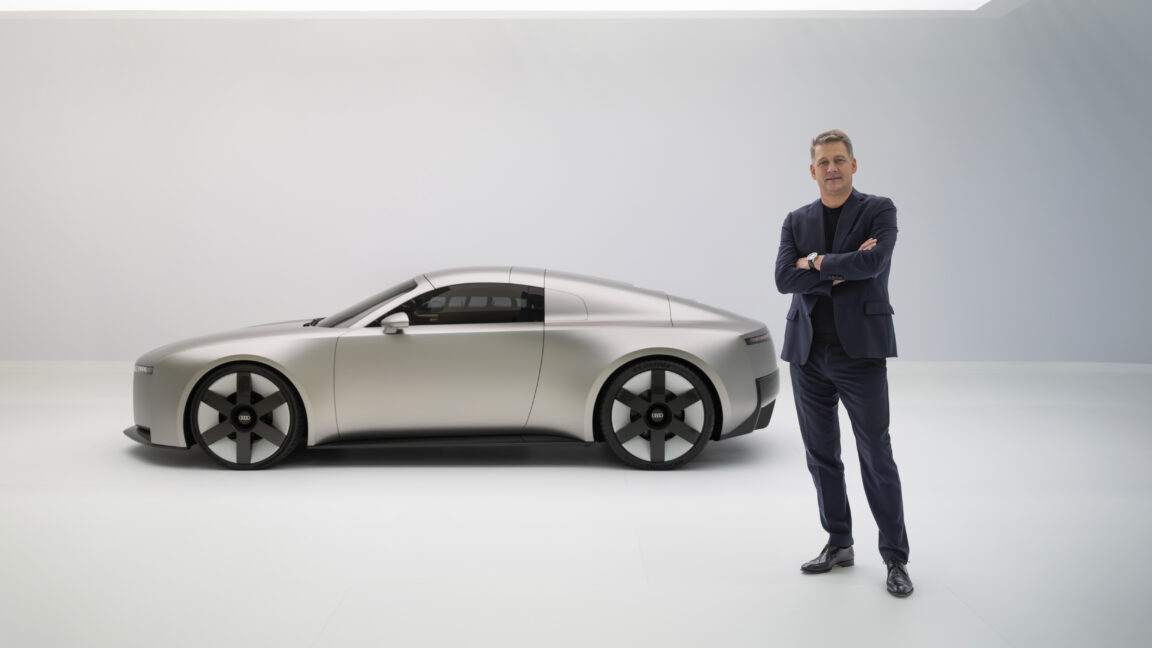
Audi AG chief executive Gernot Döllner has declared the end of the "global car" era, advocating for a strategic pivot towards regional-specific production and design. Speaking from Munich, Döllner argued that post-pandemic geopolitical shifts, including trade wars and supply chain disruptions, necessitate greater flexibility. He emphasised that while European and North American tastes largely intersect, allowing for shared product platforms, China requires a distinct ecosystem, supply chain, and local production system to remain competitive.
The shift is immediately evident in the development of the new Q9 SUV, which Döllner described as the first model where US requirements were central to the product development process. Unlike previous launches that prioritised Europe, the Q9 will feature a "US first" launch strategy, with the American market expected to dominate initial volume. To cater to local preferences, the vehicle incorporates larger cup holders capable of accommodating insulated mugs, dedicated physical switches for smart door panels, and optimised interior cooling and seating configurations.
Döllner noted that while the brand will continue to share products between Europe and the US, it must listen more closely to American customer feedback, such as JD Power surveys, to ensure market fit. He pointed out that while European products often translate well to the US, the reverse is not always true. This approach aims to create a future-resistant setup for the brand, particularly in the US, by aligning product features more precisely with regional climate and consumer expectations.
In China, the necessity for localisation is even more pronounced. Döllner, who recently attended the Beijing Motor Show, stated that the era of the global product is over in that market. He indicated that Audi will need to implement China-specific solutions across the ecosystem, supply chain, and production system. This regional differentiation allows the brand to tailor its European and North American offerings more specifically to their respective climates and market conditions without being constrained by a single global template.
Beyond product strategy, Döllner provided hints regarding future model availability in the US. He acknowledged dealer demand for the return of sporty station wagons, such as RS or allroad versions, following the retirement of the RS6 Avant. While he confirmed that Audi sells the RS5 Sportback and Avant in Europe, he stopped short of confirming US plans, stating only that the brand is considering the reaction to dealer requests.
The CEO also addressed the potential for a third-generation Audi R8 supercar. When asked about leveraging the V8 engine from the new Lamborghini Temerario, Döllner described the engine as "outstanding" and highlighted opportunities for technology sharing within the Volkswagen Group. He cited the Audi C Sport concept, built on a Porsche platform, as an example of combining technical solutions to create a car with character. While he did not confirm a new R8, he described the idea as "good" and technically feasible.