Assassination attempt at White House dinner underscores media mistrust and online speculation
An attack during a correspondents' dinner highlights a broader trend where unclear official reporting allows speculative narratives to gain traction
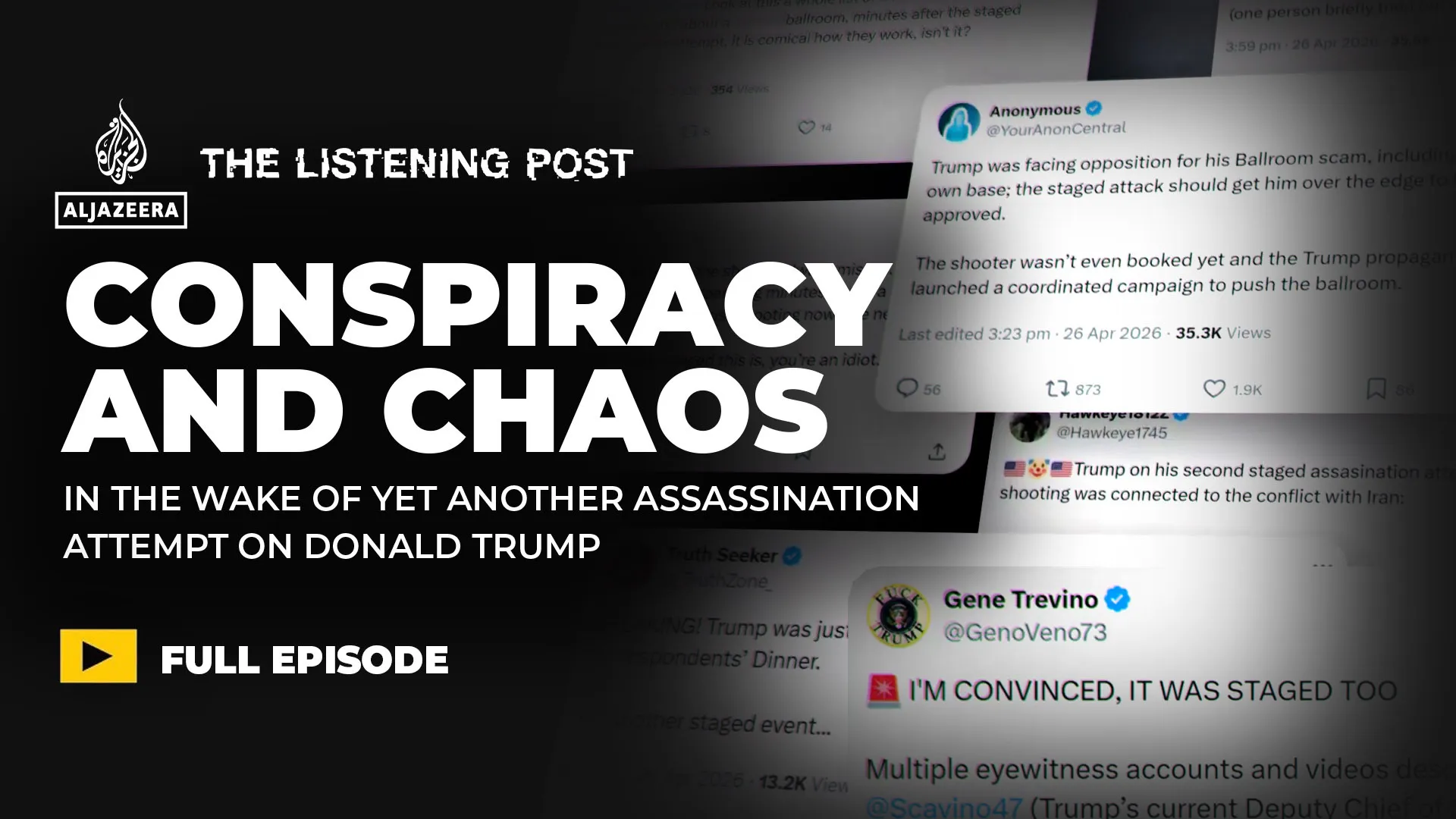
An assassination attempt targeting Donald Trump at a White House correspondents' dinner has intensified public mistrust in the media. The incident, occurring during the President's second term, has underscored the chaos and violence that have come to define this administration. As journalists rushed to report on the event, a parallel narrative of conspiracy was already taking shape online.
This surge in speculative narratives appears to be a direct by-product of an information landscape that has been muddied by the current political environment. When official information is unclear or delayed, these unverified claims gain significant currency, serving to fill the gap left by the initial lack of details. The rapid emergence of these theories suggests a deep-seated skepticism regarding how the administration communicates with the public.
The incident highlights a broader trend where misinformation spreads easily within an environment already prone to such narratives. Previous reports indicate that the Presidency has contributed to a situation where the public is less reliant on traditional reporting and more susceptible to alternative explanations. The White House correspondents' dinner, intended as a forum for dialogue, instead became the backdrop for a spectacle that reinforced divisions rather than bridging them.
While the specific mechanics of the attack remain unverified until official investigations conclude, the reaction to the event offers a clear window into the current state of governance. The assertion that conspiracy theories are filling the information vacuum implies a causal link between the silence or ambiguity of official channels and the proliferation of speculation. This dynamic illustrates how quickly a security incident can evolve into a political talking point driven by public doubt.
The situation is further complicated by a global context where information warfare is increasingly common. Related geopolitical tensions, such as Russia's backlash against internet restrictions and Israel's use of advanced technology in Lebanon, illustrate a wider struggle over control of the information space. These international examples reinforce the domestic observation that when official narratives are perceived as weak, speculative narratives thrive.
Ultimately, the event serves as a stark reminder of the fragility of public trust in institutions. As the administration navigates the aftermath, the challenge will be to provide clarity without fueling further speculation. Until then, the focus remains on the broader implications for how the government manages crises and maintains credibility with the electorate.