Asahiyama Zoo Incinerator Yields Human Bone Fragments in Wife's Body Case
The discovery reinforces the allegations surrounding the arrest of a 33-year-old staff member in Asahikawa, though forensic confirmation of the remains remains pending.
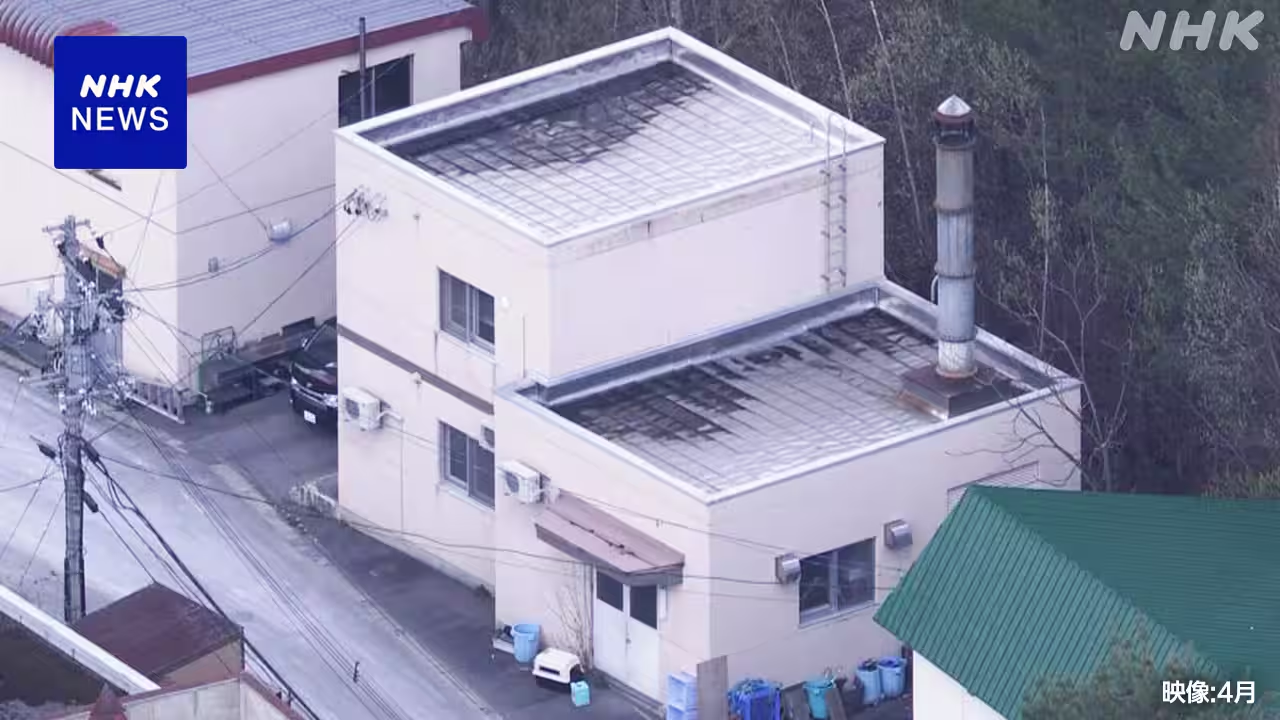
Police sources have confirmed that multiple items resembling human bones were discovered inside an incinerator at Asahiyama Zoo in Asahikawa, Hokkaido. This finding emerges as part of the ongoing investigation into the arrest of a 33-year-old zoo employee, who is accused of incinerating his wife's body at the facility. The revelation underscores the gravity of the allegations and the procedural steps taken by investigators to corroborate the suspect's actions.
The context of the arrest was established prior to the recovery of the bone fragments. Investigators had previously located a smartphone belonging to the victim within the zoo premises, a discovery that provided early evidence linking the device to the site of the alleged crime. Furthermore, reports indicate that the suspect was on duty on the day the incident occurred and had not sought police consultation before the event took place.
While the physical evidence found in the incinerator strongly implies a connection to the victim, the exact nature of the remains has not yet been scientifically confirmed. The items recovered are currently described as resembling human bones based on visual appearance, with the specific number and detailed composition of the fragments remaining undetailed in the available reports. Definitive confirmation that the skeletal remains belong to the wife is pending further forensic analysis.
The narrative relies heavily on information provided by police sources and the initial allegations regarding the employee's conduct. It is important to note that a final court determination of guilt or innocence has not been reached, and the term wife's body in this context refers to the alleged victim rather than a confirmed forensic identification at this stage. The investigation continues to examine the timeline of events and the suspect's movements following the alleged disposal of the remains.
As the case develops, the focus remains on the institutional response to the crime and the procedural integrity of the inquiry. The discovery of the bone-like items within the zoo's incinerator serves as a critical piece of the puzzle, yet the legal process must proceed without prejudice until all forensic and judicial avenues are exhausted. The situation highlights the complexities of criminal investigations involving the disposal of human remains within a public institution.