Armenia formalises strategic pivot toward EU with new connectivity pact while retaining Moscow ties
Prime Minister Nikol Pashinyan signs agreement on infrastructure and digital links to counter rising cyber threats and signal democratic stability to European partners
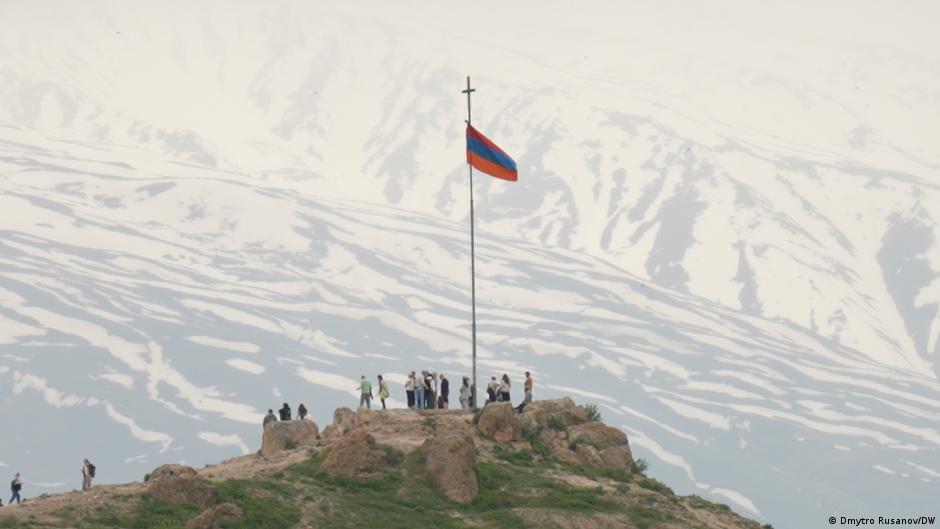
Armenia has hosted the inaugural European Political Community summit and the first-ever EU-Armenia summit in Yerevan, marking a decisive shift in the nation's foreign policy orientation. This diplomatic engagement, held just one month before the parliamentary elections scheduled for 7 June 2026, serves to signal both democratic commitment to the European Union and stability to the domestic electorate. The events underscore a deliberate move by Prime Minister Nikol Pashinyan to diversify strategic partnerships without severing existing security and political links with Russia.
Central to this new alignment is the establishment of a Connectivity Partnership between the two nations. The agreement specifically targets the strengthening of transportation, energy, and digital infrastructure links. By formalising these economic and technical connections, the government aims to bolster democratic reforms and integrate more deeply with European standards. European Council President Antonio Costa described the summit as a clear signal of the EU's firm commitment to deepen relations across these new areas, while European Commission President Ursula von der Leyen emphasised that the only legitimate source of power remains the will of the Armenian people.
The timing of these high-level meetings coincides with a sharp escalation in Russian cyberattacks and disinformation campaigns targeting Armenia. Regional analysts warn that Moscow is preparing to adopt tougher measures against Yerevan in response to its integration efforts. To counter these threats, the EU has already deployed specialists to assist Armenian authorities. This security dynamic has accelerated the government's push to secure alternative support structures, with the new partnership intended to provide a counterbalance to Russian influence in the digital and energy sectors.
Public sentiment in Armenia appears to be shifting in tandem with these policy moves. Recent polls indicate growing pro-EU support alongside a decline in backing for Russia. This change in the political landscape has been interpreted by observers as a validation of Prime Minister Pashinyan's strategy of foreign policy diversification. The government seeks to add new partners to its existing roster of excellent relations, including individual European countries, while simultaneously pursuing the normalisation of ties with neighbours Azerbaijan and Turkey.
Despite the clear orientation toward the bloc, the path to full EU accession remains distant, potentially spanning decades. Armenia has not yet applied for membership, and the process is viewed as a long-term goal rather than an immediate objective. Nevertheless, Prime Minister Pashinyan has stated that the prospect of meeting European Union standards serves as a strong incentive to breathe new life into institutional reforms. The administration intends to pursue this trajectory steadily, ensuring that the country meets the necessary criteria without precipitating a rupture with Moscow.
The geopolitical significance of Yerevan hosting these summits cannot be overstated, given the nation's historical vulnerability as a landlocked crossroads between Europe, Russia, the Middle East, and Central Asia. The enduring influence of the Soviet past continues to shape the country's security architecture, making the current balancing act particularly complex. While the immediate focus is on securing re-election and countering external interference, the structural shift toward the West represents a fundamental reorientation of Armenia's place in the international order.