Arm debuts AI graphics accelerator in Xiaomi 18 Fold
The Mali G2-Ultra NX brings AI upscaling, frame generation and denoising to mobile gaming, with broader device support expected from 2027.
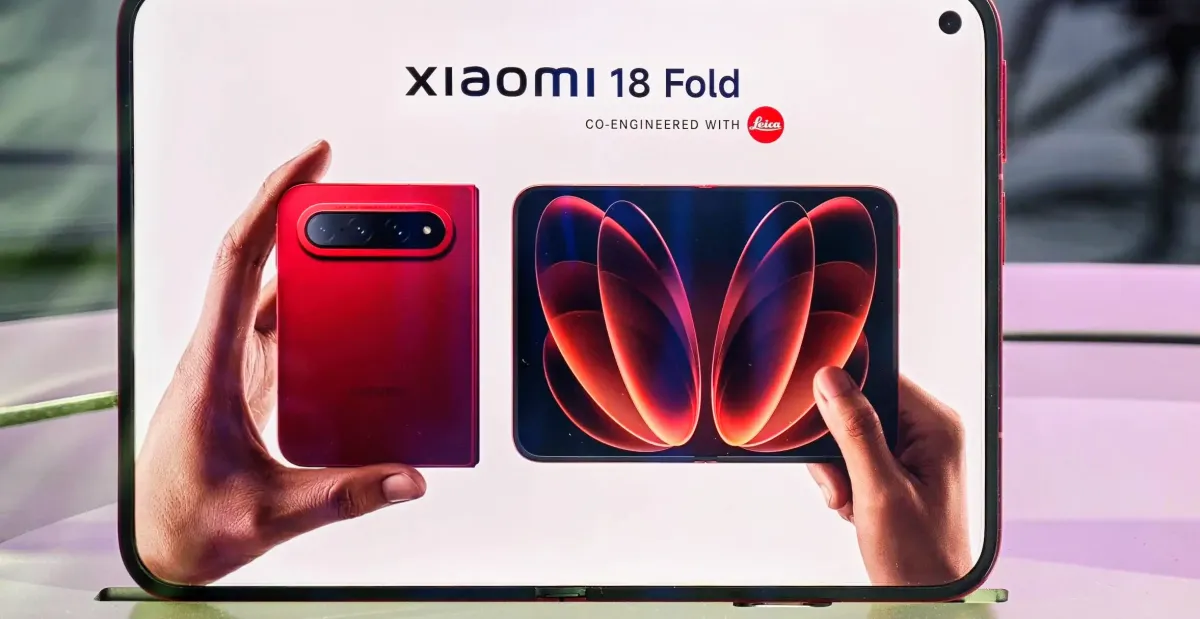
Arm’s Mali G2-Ultra NX graphics accelerator has launched in mainland China inside Xiaomi’s Xring O3 chip and Xiaomi 18 Fold, bringing hardware-accelerated artificial intelligence features to mobile gaming.
The accelerator supports AI upscaling, frame generation and denoising, which Arm groups under the term “neural graphics”. Arm claims the techniques can deliver up to four times the framerate when used together, although frame generation can add latency and may not produce an equivalent improvement in responsiveness.
Arm also claims an 85 per cent performance increase over Xiaomi’s previous GPU and a 14 per cent improvement over its previous flagship GPU in non-AI gaming. The performance and power figures have not been independently tested in the source material.
The first confirmed supported games are Where Winds Meet, Infinity Nikki and Arena Breakout: Infinite. Games will need to integrate Arm’s features, potentially through engines including Unreal Engine or Unity, meaning the technology will not automatically benefit every mobile title.
Arm says super sampling will arrive first, followed by frame generation in early 2027 and denoising soon after. Wider availability is expected in phones, tablets and Chromebooks from 2027, with neural graphics also planned for Premium and Pro configurations.
Xiaomi is demonstrating 3.2K resolution at 120 frames per second on the Xiaomi Pad 9 Pro Max. Arm says the technology is designed for sustained gaming at similar power consumption, including a claimed 1.5 watts for the GPU.