Archaeological findings in Turkiye suggest ancient female-led societal structure
New discoveries in the ruins of an unidentified city point to significant female leadership roles, according to reports from Al Jazeera Global News.
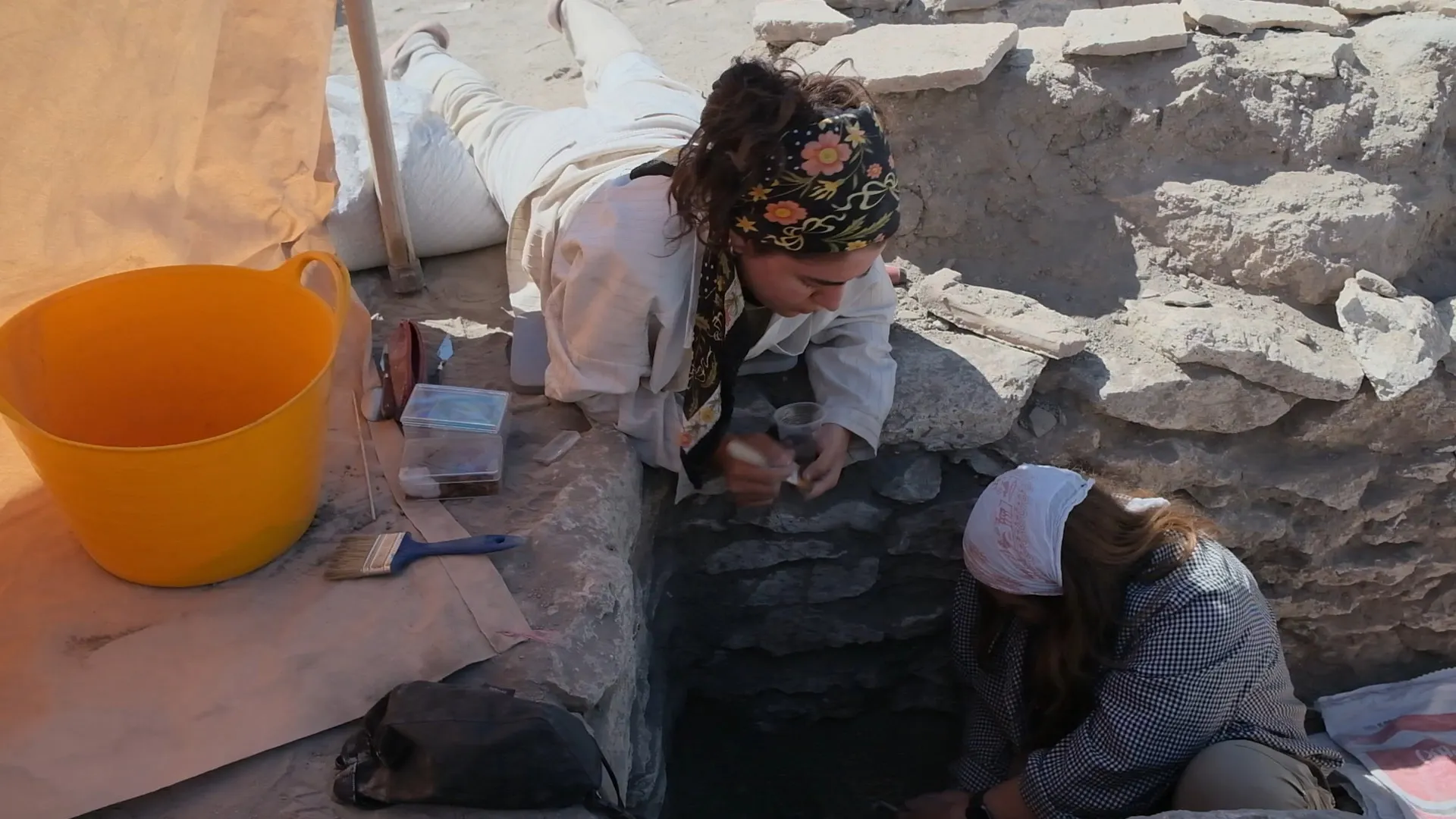
Archaeologists have uncovered evidence within the ruins of a city in present-day Turkiye that suggests the existence of an ancient society with significant female leadership roles. The discovery, reported by Al Jazeera Global News, indicates a societal structure where women held prominent positions, although the specific nature of this leadership remains to be fully detailed by academic peers.
The findings were identified within the archaeological site of a city located in Turkiye. However, the source material does not specify the exact name of the city or the precise geographical coordinates of the excavation. Consequently, the specific context of the urban layout and its historical significance within the broader region remains undefined in the current reports.
While the term "female-led" has been used to describe the society, the evidence provided does not clarify whether this leadership was primarily political, religious, or social in nature. The discovery highlights a potential shift in understanding ancient power dynamics, but the lack of specific artefacts, inscriptions, or burial site details means the claim is currently based on broad interpretation rather than definitive proof.
The timeline of the society's existence is also not established in the available information. Without precise dating, it is difficult to place this female-led structure within the known historical chronology of the region. The discovery stands as an isolated finding pending further academic verification and the release of primary data from the archaeological team.
The information originates from a video newsfeed summary provided by Al Jazeera Global News. As no primary academic publications or press releases from the excavation team have been cited, the findings are currently in the preliminary reporting phase. Further analysis will be required to substantiate the extent of female authority in this ancient community.