Apple Maps adopts ‘Lake America’ name change, straining ties with Canada
Apple has followed Google in renaming Lake Ontario for US users, a move that has escalated diplomatic tensions with Canada and propelled rival MapQuest to the top of the US App Store.
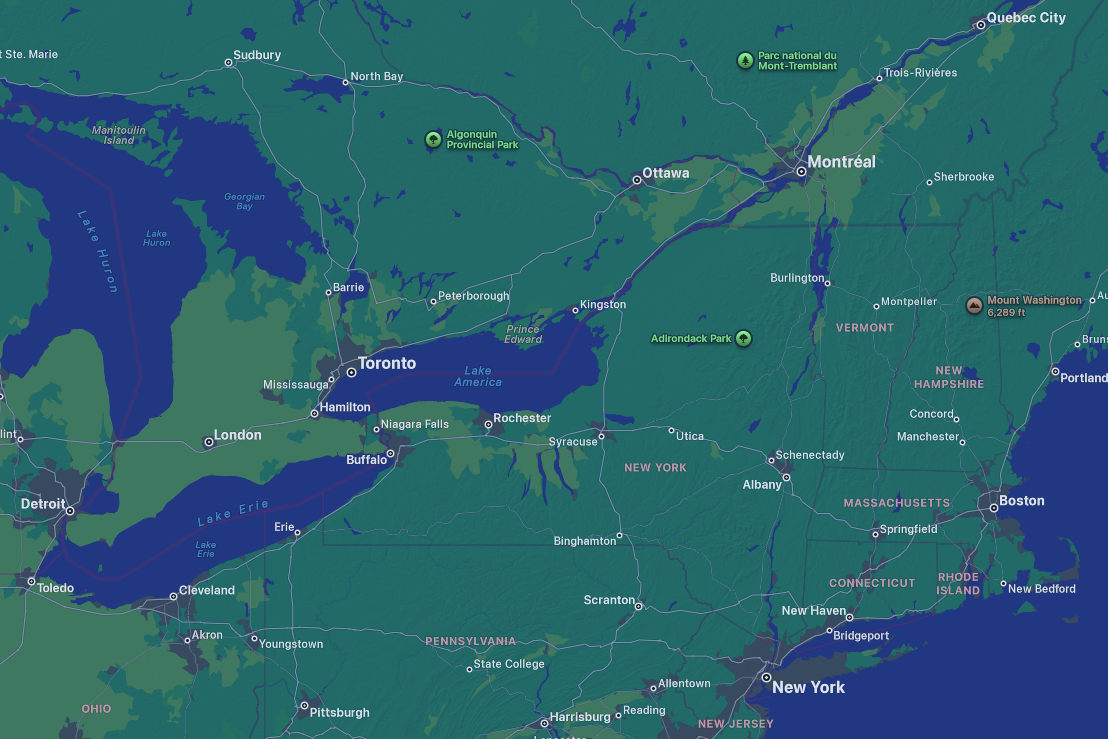
Apple has updated its Apple Maps service to rename Lake Ontario as “Lake America” for users in the United States, aligning with a recent executive order signed by President Trump. The change, which took effect for US users on the website and mobile app, follows a similar move by Google Maps earlier this week. This development marks a significant shift in how major technology firms defer to federal geographic directives, mirroring their actions last year when both companies changed the name of the Gulf of Mexico to “Gulf of America”.
The naming change stems from an executive order signed on 27 August, which directed the Interior Department to update the lake’s name in the US geographic naming service and other federal databases within 30 days. The order cited the lake as a “flourishing economic resource” critical to the nation’s economy. While Apple did not respond to a request for comment regarding its specific internal reasoning, Google explained that it updates names to reflect changes in official government sources, such as the Geographic Names Information System.
The implementation of the new name is geographically segmented. US users will now see “Lake America,” while Canadian users will continue to see “Lake Ontario.” Users located outside the United States and Canada will see both names displayed. This bifurcation has added a layer of complexity to an already strained relationship between the two countries, particularly as trade talks between Washington and Ottawa have recently broken down.
Not all mapping services have complied with the federal directive. MapQuest has refused to change the name of Lake Ontario, citing user familiarity with the traditional name. The company, which also retained the name “Gulf of Mexico” last year, has seen a significant surge in popularity as a result of its stance. This consumer reaction has driven a substantial boost in downloads for the service, which is often referred to as the original of mapping applications.
The shift in user preference has had a measurable impact on the app market. As of 1 September, MapQuest’s iOS app reached the No. 1 position in the US App Store’s Top charts, surpassing the perennial chart-topper ChatGPT. The app also reached the No. 6 position overall in Google’s Play Store, spanning both apps and games. The company appears confident in its position, posting a GIF of an apple on social media platform X with the caption “Them Too,” and a screenshot of its chart position with the text “The people have spoken. We are working.”
For investors and market observers, the episode highlights the growing intersection of political policy and consumer technology. While the immediate financial impact on Apple and Google may be limited, the surge in MapQuest’s usage suggests that brand loyalty and political alignment can rapidly alter market dynamics in the digital services sector. The long-term diplomatic consequences of the naming dispute remain to be seen, but the digital footprint of the decision is already evident in the app store rankings.