Apple cuts price of second-generation AirTag four-pack by $20
The bundle is now available for $79 at Amazon and Target, marking the lowest recorded price for the upgraded tracking devices.
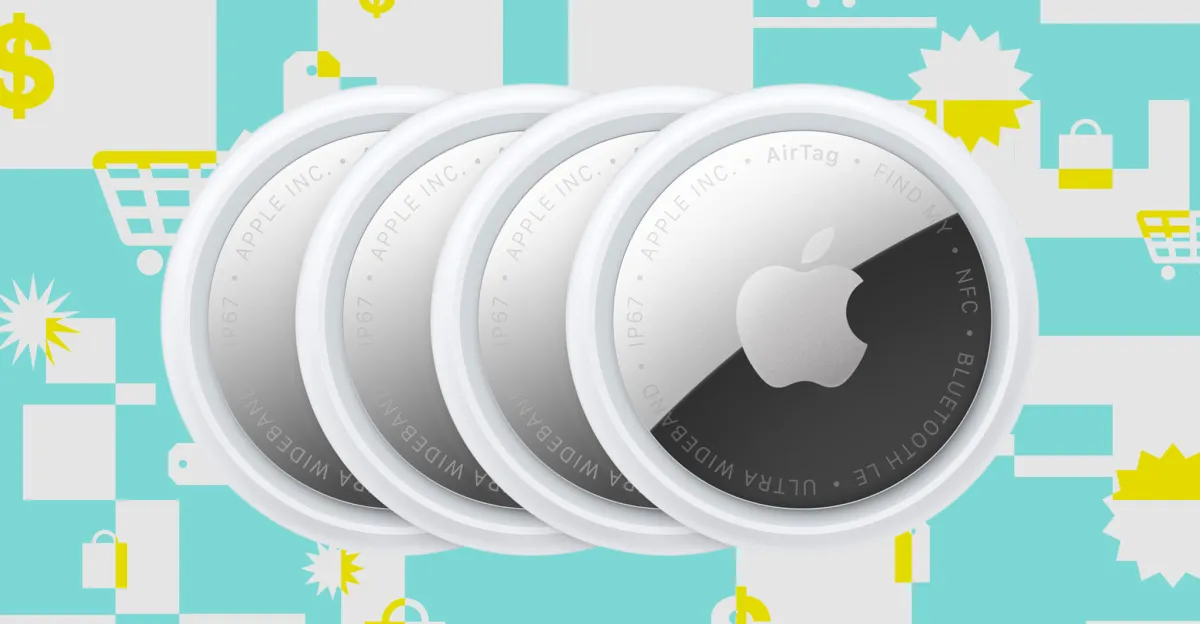
Apple has reduced the price of its four-pack of second-generation AirTags by $20, bringing the bundle cost down to $79 from the original $99. The discount is currently available at both Amazon and Target, representing the lowest price yet for the four-unit set according to The Verge.
The move offers a significant saving for consumers purchasing multiple units. While individual second-generation AirTags are currently priced at $24, buying four separately would total $96. The discounted bundle therefore saves buyers $17 compared to purchasing the devices piecemeal.
The second-generation AirTags retain the same physical design as the first-generation model but include several internal hardware upgrades. Key improvements include an upgraded ultra-wideband chip for more precise location tracking, a noticeably louder speaker, and an expanded Bluetooth range.
These enhancements are designed to improve the user’s ability to locate lost items. According to previous reviews cited in the report, the newer model offers easier tracking across different floors compared to the older version, with overall better tracking capabilities.
The rapid price drop has been noted as somewhat surprising, as the first-generation AirTags took longer to reach similar discount levels. The source material does not specify the duration of the current sale or provide a definitive reason for the early reduction in pricing for the newer model.