Apollo Atomics raises $26 million to shrink nuclear reactor costs
A Y Combinator alumnus has secured seed funding to develop a compact nuclear reactor design, aiming to undercut natural gas prices by re-engineering the steam generator.
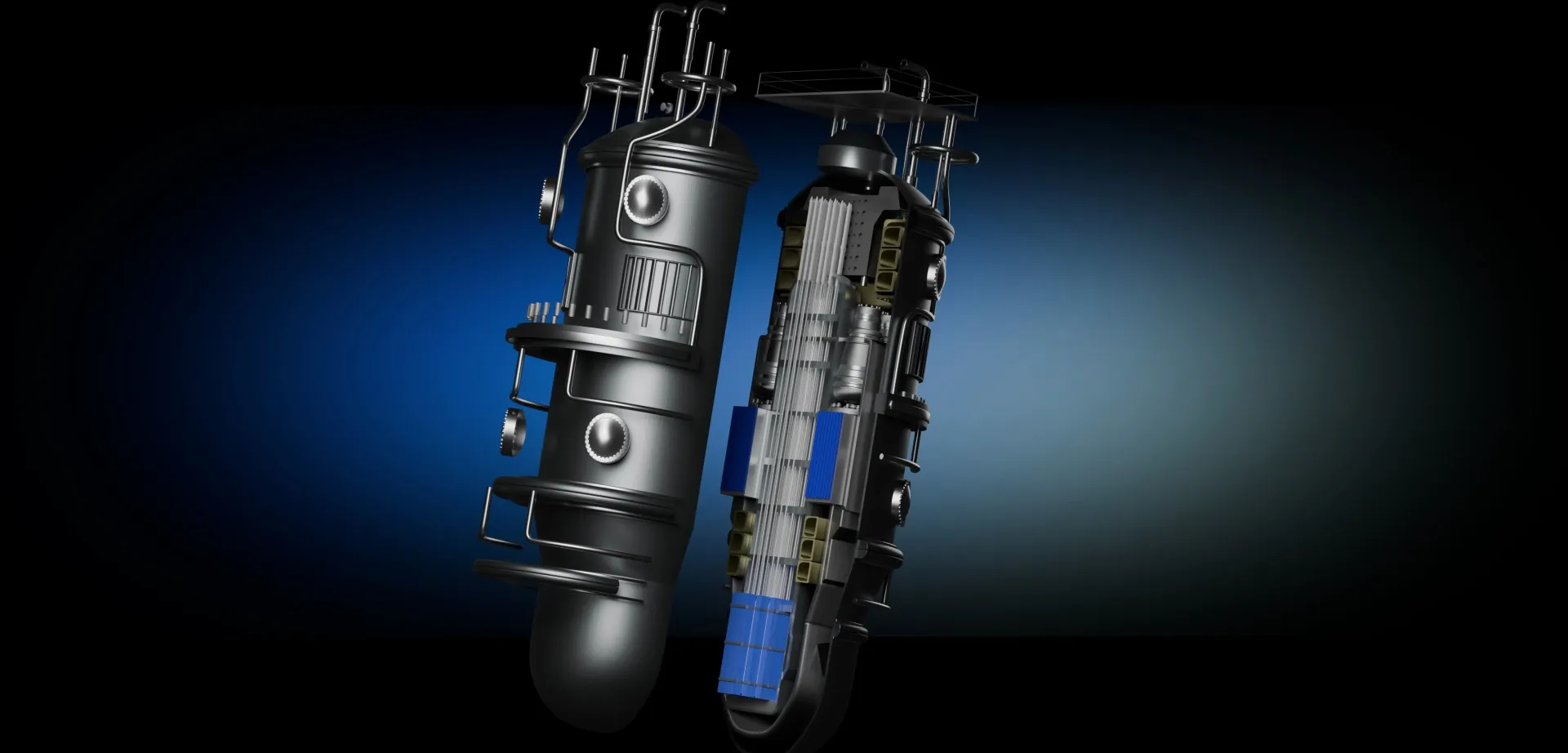
Apollo Atomics, a startup emerging from Y Combinator’s Spring 2026 batch, has closed a $26 million seed round to advance its compact nuclear reactor technology. The funding, which includes $5 million in debt, is led by FCVC with participation from a diverse group of investors including Telesoft Partners, Y Combinator, and Stanford University. The capital will support the development of a reactor design that the founders believe can significantly reduce the cost of electricity generation.
The company’s approach focuses on the steam generator, a critical component that converts thermal energy into electricity. While traditional steam generators are hand-built, several stories tall, and derived from coal and natural gas plant designs, Apollo’s version is based on research from MIT. By using a compact block of metal with needle-thin channels to transfer heat more efficiently, the startup claims its reactor is 40 times smaller than conventional designs. This reduction in size allows for factory assembly rather than on-site construction, a significant departure from current nuclear power plant practices.
Assil Halimi, the company’s CEO, stated that the goal is to make nuclear power cost-competitive with fossil fuels. "Our target is to beat natural gas," Halimi said, noting that existing designs fail to fully utilise the high energy density of nuclear fuels. The startup has already built a 40-kilowatt demonstration reactor at MIT to validate the technology. Apollo plans to offer three reactor sizes, ranging from 10 megawatts-electric to 300 megawatts, with a commercial deployment targeted for 2028.
The compact design is expected to drive down production costs and accelerate deployment timelines. Halimi projects that a 300-megawatt power plant could be built in less than 24 months, with the reactor itself costing four to five times less to produce than existing designs. The company aims to achieve an electricity generation rate of 3 cents per kilowatt hour, a figure that would position nuclear energy as a highly competitive option in the power market.
This move comes as the nuclear power industry experiences a resurgence, with various startups raising funds to develop advanced reactors. However, Apollo’s founders argue that previous efforts have focused on the wrong problems by designing entirely new reactors rather than optimising existing components. By shrinking the steam generator, Apollo seeks to address the labour and material costs that have historically made nuclear power expensive.
The investment reflects growing interest in technologies that can lower the barrier to entry for nuclear energy. With a demonstration reactor already operational at MIT and a clear path to commercial deployment, Apollo is positioned to test its cost-reduction claims in the coming years. The success of the venture will depend on its ability to scale the manufacturing process and meet its ambitious cost targets.