Android Auto vs Android Automotive: The key differences explained
Engadget clarifies the distinction between the smartphone projection system and the standalone vehicle operating system, highlighting how Google’s separate service packages affect car functionality.
Confusion often surrounds the naming conventions for Google’s automotive software, leading many drivers to assume that Android Auto and Android Automotive are interchangeable. A new explanatory article from Engadget seeks to untangle these terms, noting that while the names are similar, the underlying technology and user experience differ significantly.
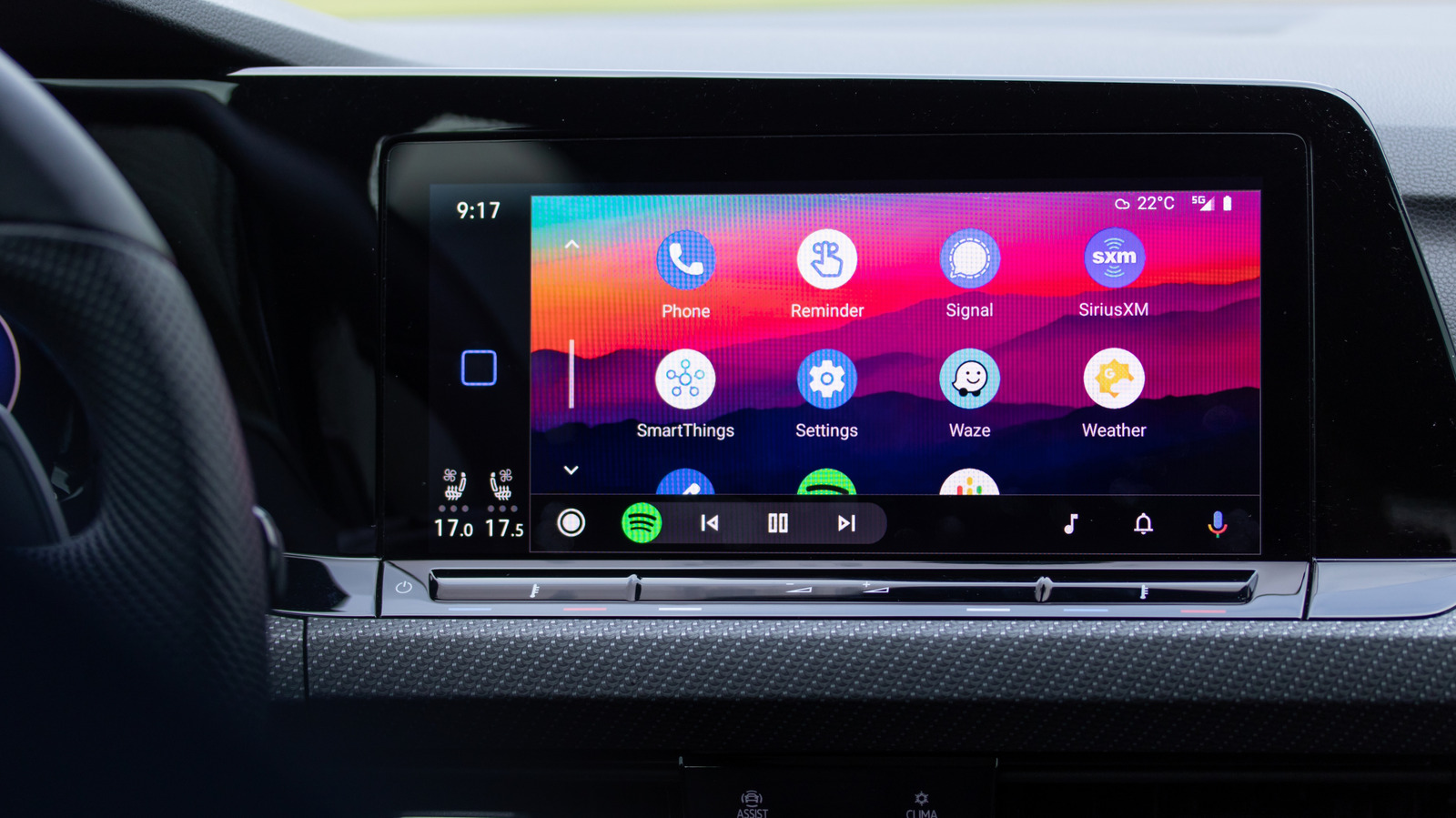
Android Auto is best understood as a projection system that relies on a connected smartphone to function. It mirrors navigation, music, and messaging apps from an Android phone onto the car’s display, serving as Google’s direct competitor to Apple CarPlay. This setup allows drivers to access their preferred applications without physically handling their device, though the phone remains the primary source of processing power and data.
In contrast, Android Automotive OS is a full operating system installed directly on the vehicle’s hardware. This standalone platform removes the need for a smartphone to handle the core infotainment functions. Automakers can integrate this system deeply with various vehicle components, including instrument displays, climate controls, and electric vehicle data, creating a more seamless and native driving experience.
The landscape becomes more complex with the introduction of "Google built-in," which Engadget identifies as a separate, optional package of services. While Android Automotive OS is open source, Google built-in relies on a separately licensed collection of Google Automotive Services. This package provides native access to Google Maps, the Play Store, and Google’s voice assistant without requiring a connected phone.
Manufacturer implementation varies widely, which is why reading a vehicle’s specification sheet is crucial. For instance, Rivian builds its own software experience on top of Android Automotive OS and does not offer Android Auto or Apple CarPlay projection. Conversely, Polestar demonstrates the flexibility of the ecosystem, with its vehicles capable of featuring Google built-in while remaining compatible with both Android Auto and Apple CarPlay.
The history of these systems dates back to 2020, when the Polestar 2 became the first production car to feature Android Automotive OS. As the automotive industry continues to evolve, understanding the distinction between a phone-dependent projection interface and a standalone vehicle operating system is essential for prospective buyers.