Deepfake distress: Student-generated AI content targets educators in US and UK
Four teachers report sexualised AI-generated images and videos created by students, circulating on TikTok and Snapchat, raising questions over workplace harassment and institutional accountability.
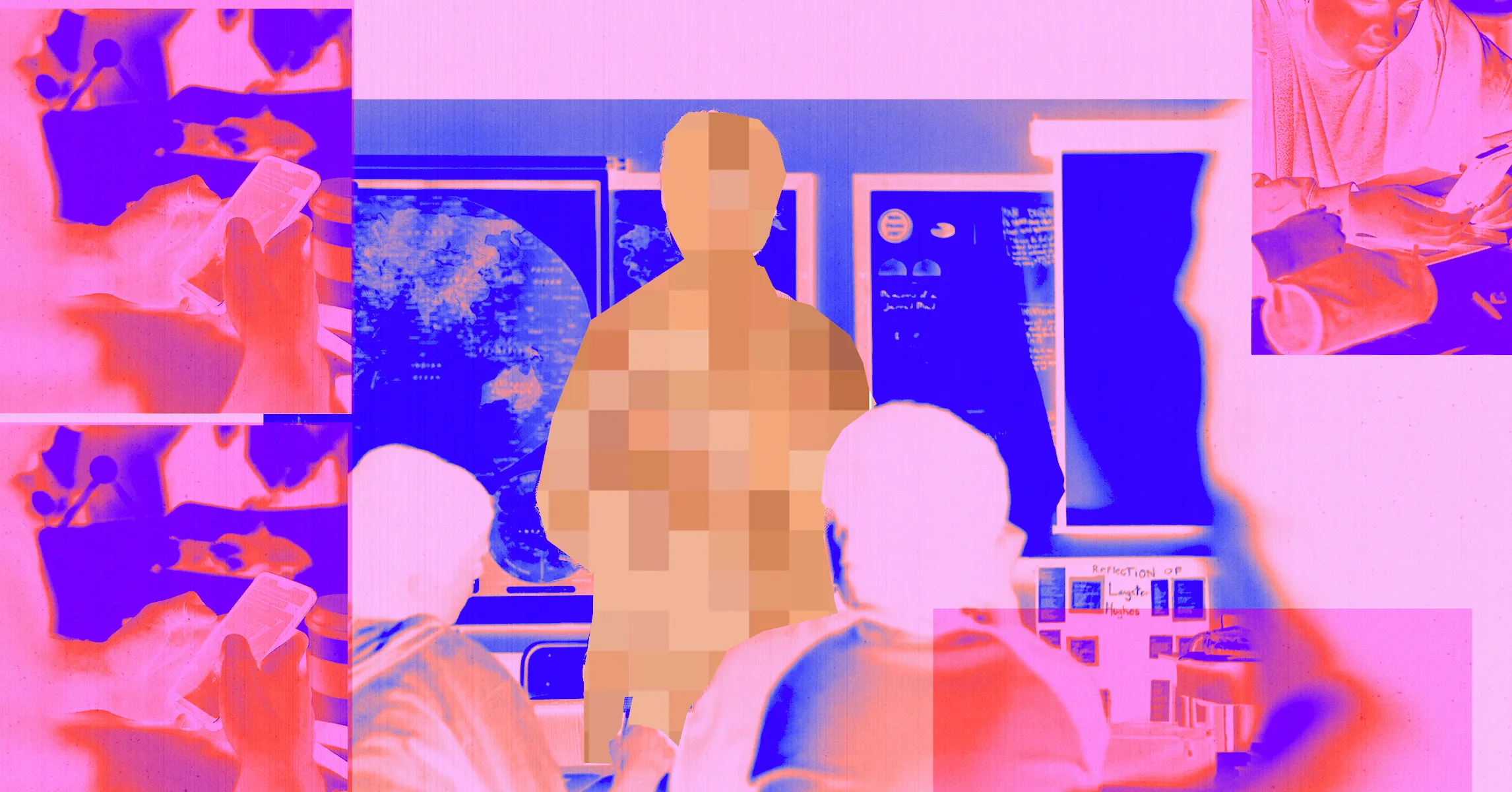
A growing number of educators in the United States and the United Kingdom are reporting that their students have used artificial intelligence to create sexualised images and videos of them. According to a report by WIRED, four teachers described incidents where AI-generated content circulated on social media platforms such as TikTok and Snapchat, causing significant distress and prompting some to question their safety and relationships with students.
Luis DeSantiago, a substitute teacher in Los Banos, California, was targeted by an AI-generated image of him wearing lingerie, which was derived from a previous mirror selfie. The image, which circulated on TikTok and Snapchat, led DeSantiago to suspect involvement from students at a local middle school and high school. Although one student was disciplined with in-school suspension, DeSantiago stated that the image continued to proliferate, leading him to avoid returning to the district due to safety concerns.
In another case, a middle school teacher in her mid-twenties, who requested anonymity, reported a TikTok account impersonating her with AI-generated videos depicting sexual acts. She noted that the content exhibited characteristic smoothness and unnatural movements, which some students initially mistook for authentic recordings. The teacher also faced in-person harassment from a student known for behavioural problems, who was eventually removed from her class before leaving the district.
Alice, a college counselor in the United Kingdom, was targeted by a manipulated video showing her dancing in underwear or a bikini. The suspected student denied involvement when questioned by administrators and subsequently dropped out of the school. Alice noted that the incident made her more cautious in her professional interactions, as her role often involves discussing sensitive topics with students aged 16 to 19.
Luke Red, a sixth-grade teacher in Arizona, was targeted by an AI-generated photo of him kissing another male teacher in the comments of his public TikTok account. The student responsible received a three-day suspension, which Red described as the most severe punishment for a first-time sexual harassment offense under the school district handbook. Red expressed concern over the permissive culture surrounding AI use among students, noting that many do not understand the impact of their actions on others.
Legal expert Donna Ballman stated that student-created sexual images of teachers constitute a “clear case” of sexual harassment in the workplace under federal antidiscrimination laws. She added that while the federal Take It Down Act may apply to nonconsensual intimate visual depictions, schools often lack a specific “blueprint” for responding to these incidents. Snap spokesperson Monique Bellamy confirmed that company policies prohibit sharing AI-generated content to humiliate or sexually harass others, though TikTok did not provide comment before publication.