Andhra Pradesh student death exposes gaps in India’s corporal punishment laws
The death of six-year-old Pranay Teja in Visakhapatnam has reignited scrutiny of the Right of Children to Free and Compulsory Education Act, with experts citing weak enforcement and structural discrimination as key failures.
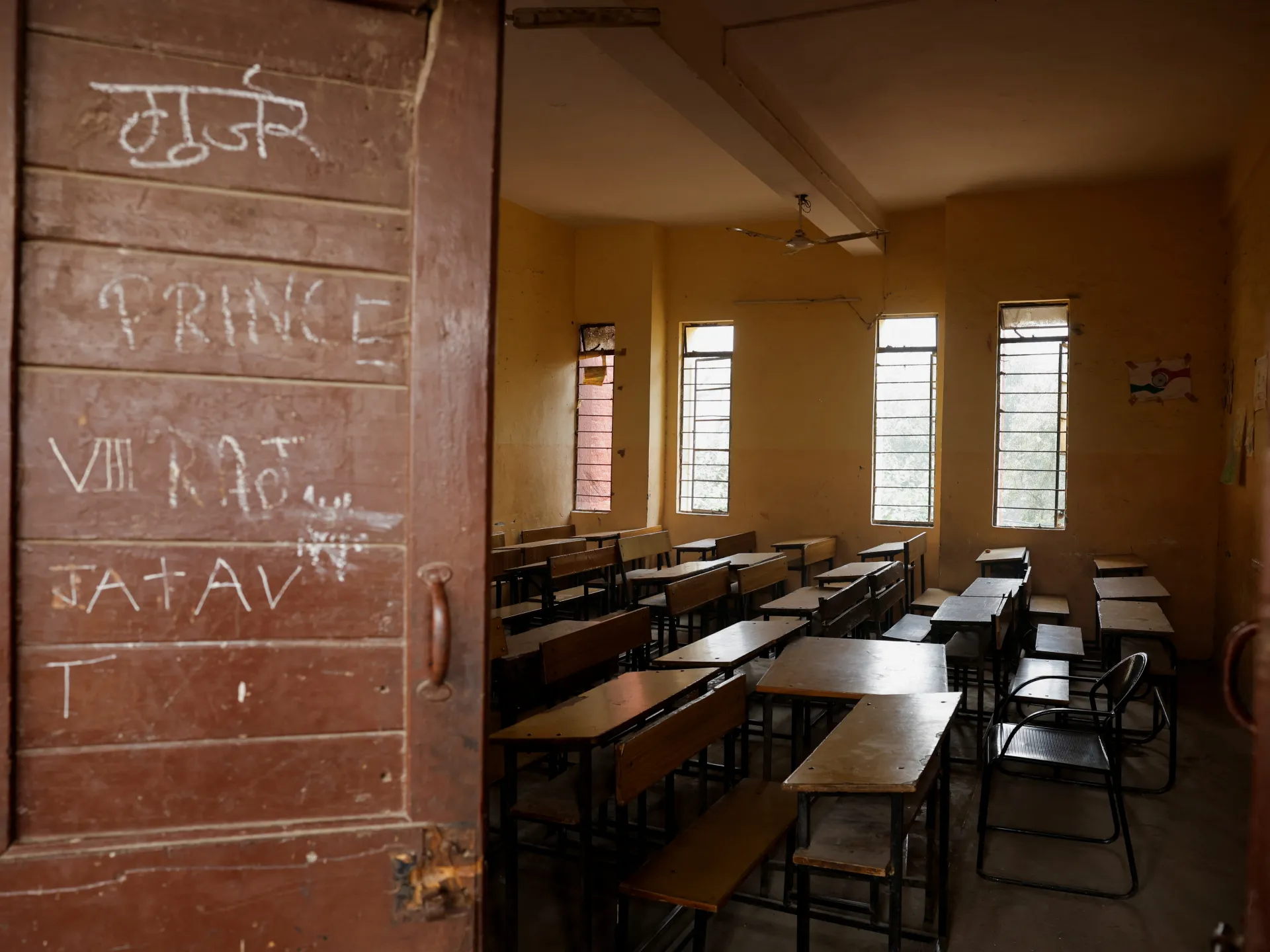
The death of six-year-old Pranay Teja in Visakhapatnam, Andhra Pradesh, has forced a national reckoning regarding the enforcement of India’s education laws. Teja died after being slapped by a kindergarten teacher for allegedly failing to complete homework, an incident that highlights the persistent gap between statutory protections and classroom realities. Security footage shows the child collapsing after the strike, with other teachers attempting cardiopulmonary resuscitation before he was declared dead on arrival at King George Hospital.
India banned corporal punishment in schools under the Right of Children to Free and Compulsory Education (RTE) Act in 2009, which explicitly prohibits "physical punishment" and "mental harassment." Despite this legislative framework, legal analysts argue that the law lacks a strong standalone criminal offence, often resulting in cases being treated as minor incidents of "hurt" or "discipline" rather than systemic failures. The Andhra Pradesh School Education Department has formed a three-member committee to investigate the death, describing the incident as "extremely unfortunate and painful."
The family of the deceased alleges that the private school had a pattern of physically punishing children, a claim that underscores the broader issue of accountability in educational institutions. While the state government plans "sensitisation" programmes for teachers, experts contend that these measures address symptoms rather than the root causes of the problem. The Juvenile Justice Act of 2015 also criminalises cruelty to children by those in their charge, yet courts have shown apparent discomfort in prosecuting teachers, sometimes granting bail in cases involving physical discipline.
Historical and sociological analysis suggests that corporal punishment in India is deeply rooted in caste hierarchies, predating British colonial rule. Although the British normalised and systematised the practice within the education system, the underlying structure of discrimination remains intact. A 2018 study by Agrasar found that nearly 80 per cent of low-income schoolchildren in Gurugram reported being beaten several times a week, with a majority of parents approving of the practice.
Recent high-profile cases, including the 2022 death of Dalit student Inder Meghwal in Rajasthan and a 2023 viral incident in Uttar Pradesh, illustrate how marginalised communities are disproportionately affected. Legal experts point to the lack of identity-specific protections for all groups, noting that while Dalit and Adivasi students have protections under the Prevention of Atrocities Act, Muslim students do not have an equivalent law. This structural imbalance allows discrimination to persist under the guise of general discipline.
As the inquiry continues, the case of Pranay Teja serves as a focal point for calls to reform the legal framework. Advocates argue that mandatory reporting and independent complaint mechanisms are necessary to break the cycle of institutional protection for teachers. For now, the family demands accountability, seeking an acknowledgement that the death was not an isolated act but a symptom of a broader governance failure.