Ancient script breakthrough offers new window into Bronze Age Iran
By identifying the name of a Bronze Age ruler, French archaeologist François Desset has unlocked 45 inscriptions, providing a rare look at indigenous writing systems in the region.
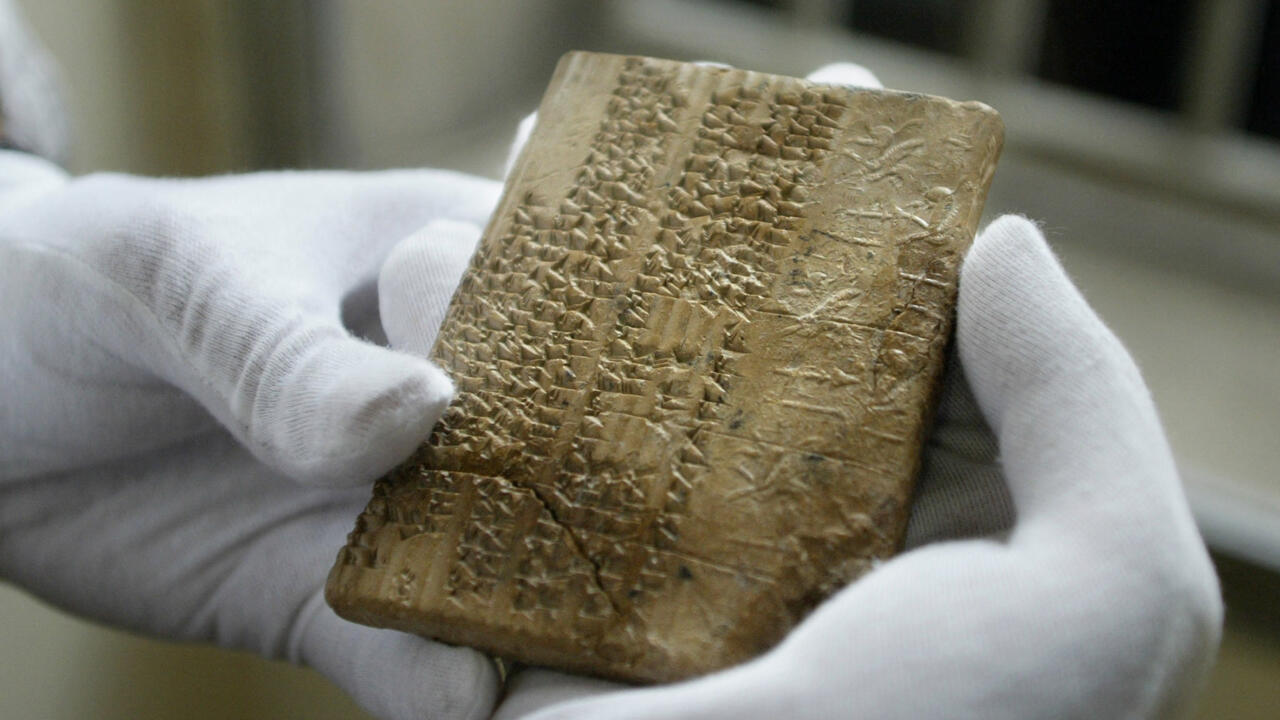
French archaeologist François Desset has successfully deciphered the Linear Elamite script, a 4,000-year-old writing system developed within the territory now known as Iran. This achievement marks a significant shift in understanding the region's indigenous Bronze Age history, distinguishing it from imported scripts such as cuneiform, Arabic, or Greek.
The breakthrough was achieved through the analysis of ten new texts sourced from the Mahboubian collection in London. These materials contained crucial proper names that were previously unavailable to researchers, allowing Desset to identify the ruler Shilhaha, who reigned around 1950 BC. This identification enabled the reading of 45 inscriptions in total.
Desset, a 43-year-old researcher based at the University of Liege in Belgium, likened his methodology to that of Jean-François Champollion, who deciphered ancient Egyptian hieroglyphs by identifying the names of rulers such as Ptolemy and Cleopatra. The Linear Elamite script itself consists of 77 signs, including geometric patterns like diamonds and curves, and was first rediscovered in 1903 by a French mission at the archaeological site of Susa.
Despite the script being undeciphered for over a century due to a lack of source material, Desset's work has expanded the corpus of readable texts significantly. He plans to apply these findings to older tablets written in proto-Elamite, which could represent some of the oldest written sources in the world.
While the research focuses on a millennia-old mystery, Desset acknowledged the context of current regional conflicts. He expressed the hope that this work will positively impact Iranian culture and identity once the situation in the region returns to normal.
The study highlights the importance of accessing diverse archival collections, such as the Mahboubian collection, to unlock historical data that has long remained inaccessible.