Analysts dismiss reports of US-Israel rift as strategic narrative warfare
Despite claims of a diplomatic feud, policy alignment between Washington and Jerusalem remains unchanged, with experts characterising the reports as part of a broader information war.
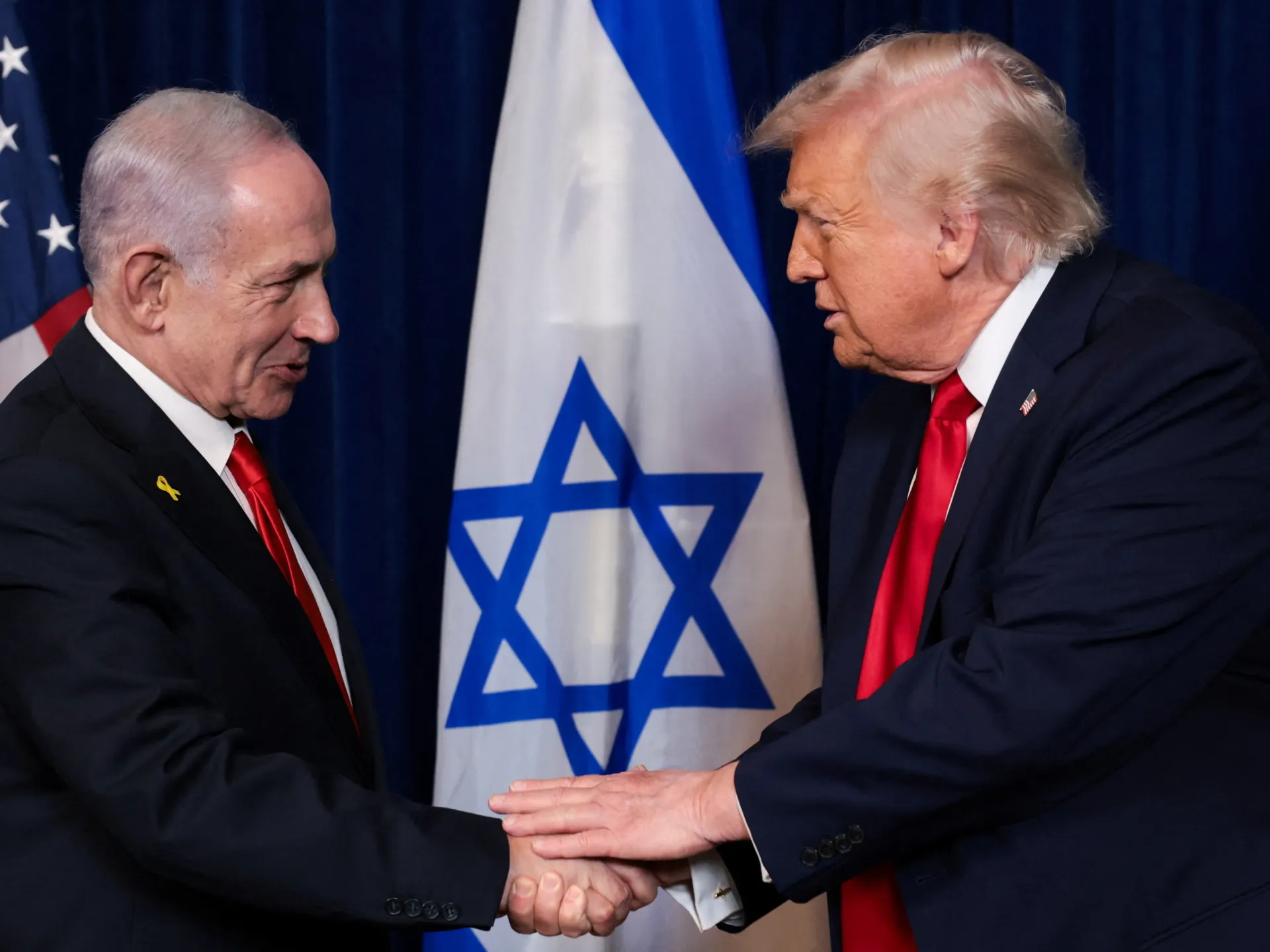
Analysts and policy experts have cast significant doubt on recent anonymous reports alleging that US President Donald Trump berated Israeli Prime Minister Benjamin Netanyahu, suggesting the leaks are strategic efforts to influence public perception during the ongoing war on Iran. The reports, initially published by Axios, claim Trump used expletives and called Netanyahu “f***ing crazy” regarding Israel’s military escalation in Lebanon. Experts suggest these leaks are “strategic” efforts to influence public perception and political narratives amid the ongoing war on Iran, rather than reflecting a genuine diplomatic rift.
The latest account emerged on Monday, coinciding with an Israeli attack in the southern Lebanese town of al-Marwaniyah that killed six people, including two children. This follows a pattern of media outlets publishing anonymous accounts of rifts and “frustrating” calls between Trump and the Israeli prime minister since the conflict in Gaza began in October 2023. However, analysts note that despite the rhetoric, US policy remains firmly aligned with Israeli interests, with Washington continuing to provide military aid and diplomatic support.
Ryan Costello, policy director at the National Iranian American Council Action (NIAC), stated that political observers have grown to “mock” reports of closed-door anger from US presidents against Netanyahu. “What’s really important is what actually happens in practice,” Costello told Al Jazeera. Isabelle Hayslip, an advocacy manager at the US-based rights group DAWN, added that single-source reporting of Trump as a strongman is contradicted by policy outcomes where “Netanyahu gets exactly what he wants.”
The reports surface as Trump faces increasing pressure from Democratic rivals and segments of his base over his handling of the war on Iran, which he launched jointly with Netanyahu on February 28. The conflict, which saw Iran close the Strait of Hormuz, has sent gasoline prices soaring in the US and fuelled inflation. Critics have accused Trump of allowing Israel to drag the US into a war that does not advance Washington’s priorities, with negotiations to end the war currently stagnating.
Negar Mortazavi, a senior fellow at the Center for International Policy, argued that the leak may be aimed at making Trump look tough on Israel to quell outrage over the war. “It could be sort of a way of moderating the anger or the blame at the US for continuing this unpopular, illegal, unnecessary war,” Mortazavi said. She described the situation as a “hybrid war” involving intelligence and narrative warfare, noting that Iranian President Masoud Pezeshkian’s office recently denied rumours of his resignation, highlighting the disinformation landscape.
Axios defended its coverage, stating it noted that “Trump and Netanyahu have had several tense calls in the past but have still coordinated closely on Iran and other issues.” Meanwhile, Iranian officials have suggested they may cut off contact with the US in response to Israeli attacks in Lebanon, further complicating the diplomatic environment. The US has vetoed several ceasefire resolutions at the United Nations Security Council and helped fend off retaliatory Iranian attacks against Israel since the start of the war on Gaza.
Trump has publicly praised Netanyahu on multiple occasions, calling him a “hero” in December and stating, “We’re with you, and we’ll continue to be with you.” Two weeks prior, Axios reported the White House had “scolded” Netanyahu over ceasefire violations in Gaza, with a US official stating the US would not allow Netanyahu to ruin Trump’s reputation. Despite these public displays of unity, the persistent leaks continue to fuel speculation about the nature of the alliance.