Analysis: Iran’s Strait of Hormuz leverage carries an expiry date
New data shows a 96 per cent drop in vessel traffic, but analysts warn that prolonged closure risks blunting Iran’s future bargaining power as rivals develop alternative routes.
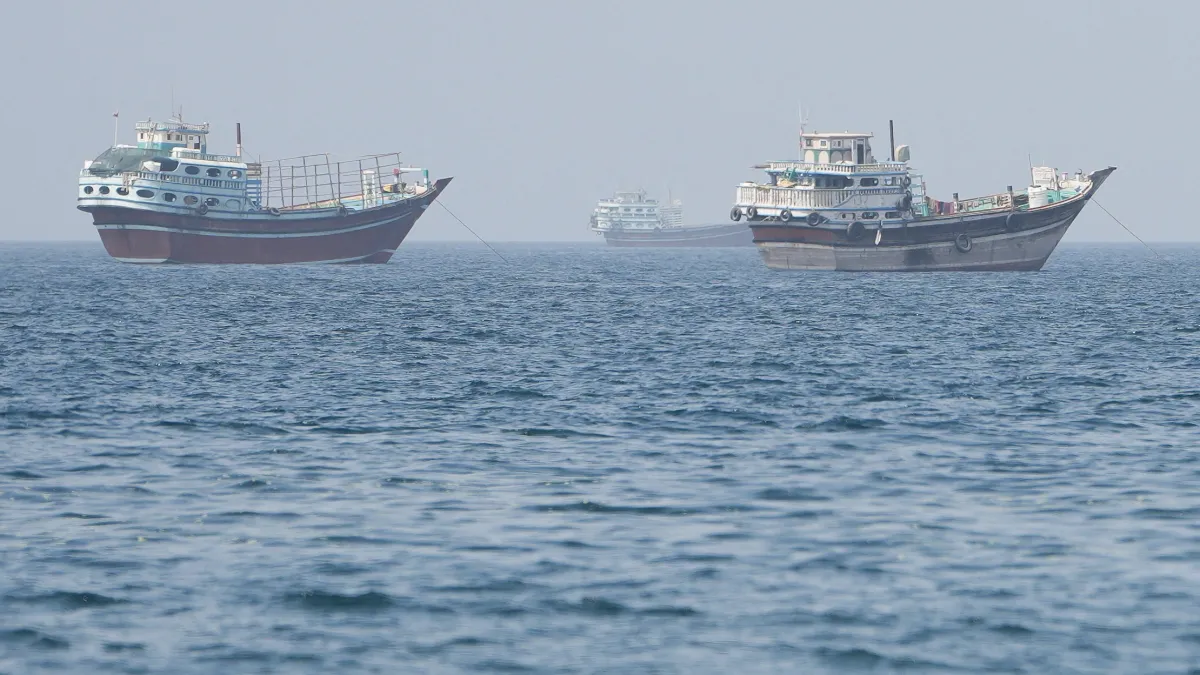
An analysis published by Al Jazeera on 7 August 2026 argues that while Iran has successfully weaponised its control over the Strait of Hormuz to exert economic pressure during the conflict imposed by the United States and Israel, this leverage has a limited lifespan. Data from IMF PortWatch indicates that vessel traffic and tonnage through the strait fell by approximately 96 percent in the week ending 2 August 2026 compared to the same period in 2025. The article contends that prolonged disruption harms Iran’s own economy, which relies heavily on southern ports for 94 percent of its foreign trade, and accelerates efforts by Gulf states and Asian importers to diversify supply chains and develop alternative routes. Consequently, aggressive use of the strait as a weapon risks blunting Iran’s future bargaining power.
The analysis highlights that since late February, both vessel traffic and estimated tonnage have remained far below previous year levels, with only brief recoveries. In the seven days ending 2 August, an average of only about four ships per day passed through the strait, compared with about 90 during the corresponding week of 2025. Estimated transit volume fell from 3.5 million to about 143,000 metric tonnes per day. This sustained disruption demonstrates Tehran’s ability to impose severe constraints on commercial traffic, shifting the strategic question from whether Iran can disrupt trade to how effectively it can convert that disruption into political leverage.
The economic effects of the disruption extend beyond immediate shipping delays, impacting insurance premiums, freight rates, and broader energy markets. In 2025, almost 20 million barrels of crude oil and petroleum products crossed Hormuz each day, with around 80 percent of those flows going to Asia. Qatar and the United Arab Emirates also shipped liquefied natural gas equivalent to almost one-fifth of global LNG trade through the strait. The disruption also affects less visible but critical commodities, including fertilisers and helium, with India sourcing around half of its imported ammonia and nitrogen fertilisers from Gulf producers via the strait.
However, the analysis contends that the consequences of this strategy are mutually damaging. Iran’s petroleum exports, food imports, and industrial inputs depend heavily on its southern waterways, with 94 percent of its roughly 170 million tonnes of annual foreign trade passing through these ports. In contrast, Saudi Arabia and the UAE have pipelines that can redirect an estimated 3.5 to 5.5 million barrels per day away from Hormuz. A prolonged interruption would deprive Tehran of export earnings while worsening inflation and shortages at home, compounded by a US blockade of Iran’s southern ports.
Furthermore, the article argues that repeated use of the Strait of Hormuz as a weapon invites adaptation among importing countries and energy producers. Gulf states have stronger incentives to bypass the strait by expanding pipelines to the Red Sea and the Gulf of Oman, while importing nations may diversify suppliers and invest in strategic reserves. The analysis concludes that while limited, calibrated disruption can raise the costs of military pressure, prolonged or indiscriminate disruption would damage Iran’s own economy and accelerate investments that weaken its future leverage, effectively giving other nations more reason to reduce their dependence on the strait.