Amnesty International demands inquiry into US airstrike on Yemen detention facility
Amnesty International has called for a formal investigation into a United States air strike on a migrant detention centre in Saada, Yemen, characterising the incident as a potential war crime. The rights group argues that the facility, which had been inspected by the International Committee of the Red Cross and the United Nations with no evidence of military use, was targeted despite known civilian occupancy.
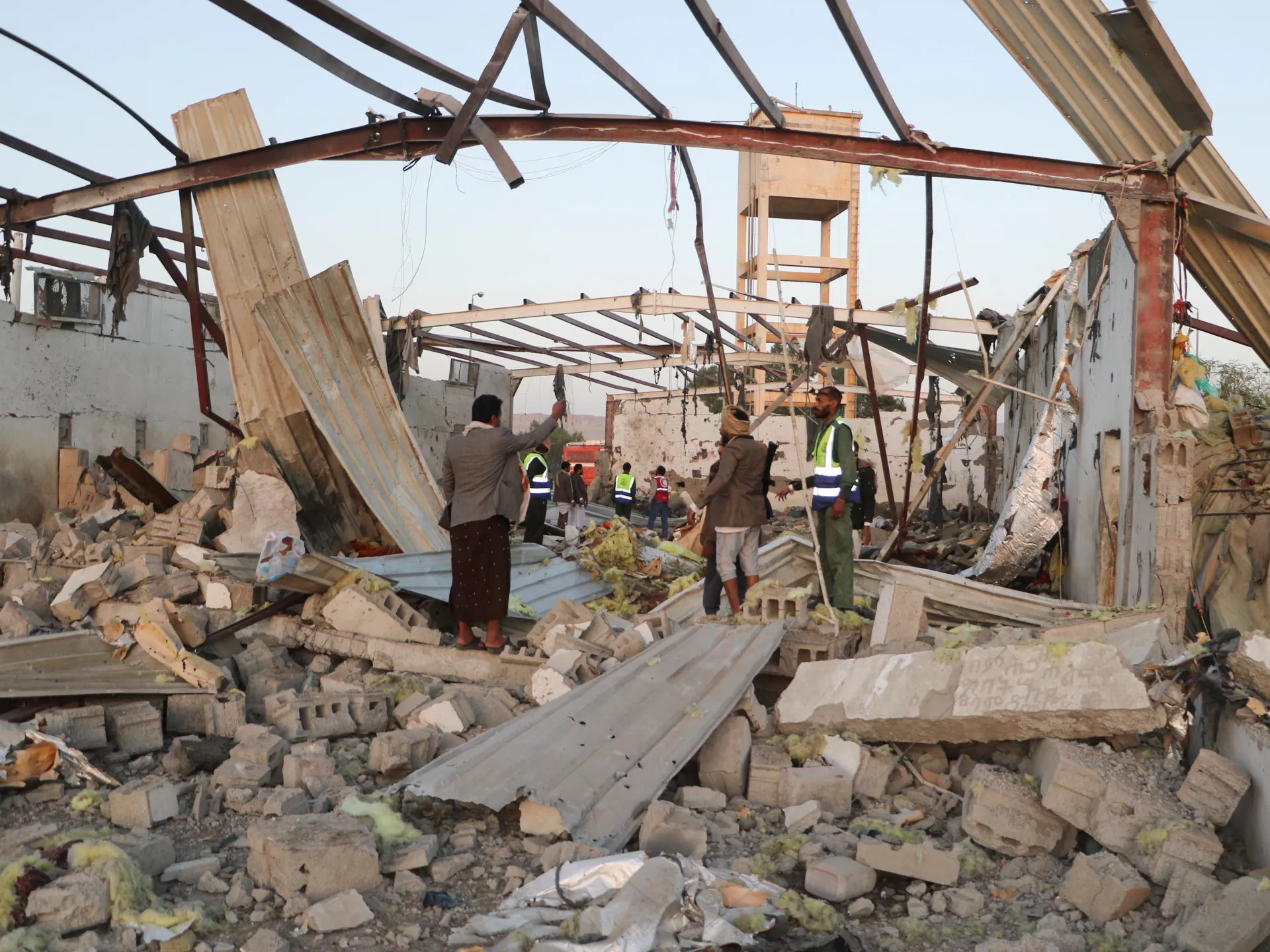
Amnesty International has formally requested that the United States government launch an inquiry into an air strike conducted on 28 April 2025, which targeted a migrant detention centre in Saada, northwestern Yemen. The organisation states that the attack resulted in the deaths of at least 68 detainees and left 47 others injured. According to the rights group, the facility had operated for years as part of a larger prison complex and had previously undergone inspection by the International Committee of the Red Cross and the United Nations, both of which found no evidence that the compound was being used for military purposes.
A report released on Tuesday details the severe physical and psychological trauma reported by survivors interviewed nearly a year after the strike. Many victims are unable to work or afford medical treatment, with one survivor, Jirata, describing the loss of a limb and the insertion of a metal rod in the other. Jirata stated that the US government caused the situation and demanded reparations to help revive hope for the affected families. Amnesty noted that five of the six Ethiopian men wounded in the attack were unable to work, while most now depend on financial support from relatives.
The rights group highlighted a significant lack of transparency regarding the aftermath of the incident. Amnesty stated that the US military's Central Command has not publicly released the findings of any investigation or announced whether accountability measures would be taken a year post-attack. This silence stands in contrast to the organisation's assertion that the US failed to take all feasible precautions to avoid civilian harm. Nadia Dar, director of Amnesty International USA, criticised the Trump administration's approach to air strikes in Yemen between March and May 2025, alleging a systematic weakening of safeguards and a dangerous disregard for civilian lives.
Amnesty International also cited a separate United States strike on a school in Minab, Iran, on 16 March 2025, which the group claims killed 156 people, including more than 120 children. While US Defence Secretary Pete Hegseth confirmed that a separate investigation into the Minab strike is continuing, Amnesty argues that the Yemen incident is among the deadliest civilian incidents linked to a US strike that the group has documented in recent years. The organisation urges Washington to carry out prompt, transparent and independent investigations into strikes in both Yemen and Iran.
The report concludes with a call for the US Congress to increase oversight of military operations and ensure reparations for civilians harmed by such actions. Amnesty International maintains that the US administration has displayed a disregard for the lives of civilians endangered by armed conflicts, particularly within the context of the strikes conducted during the specified period in 2025. The group insists that without transparent investigations and accountability measures, the international community cannot be assured that similar tragedies will not be repeated.